The Future of Interior Design: Top 5 Benefits of Using AI Technology
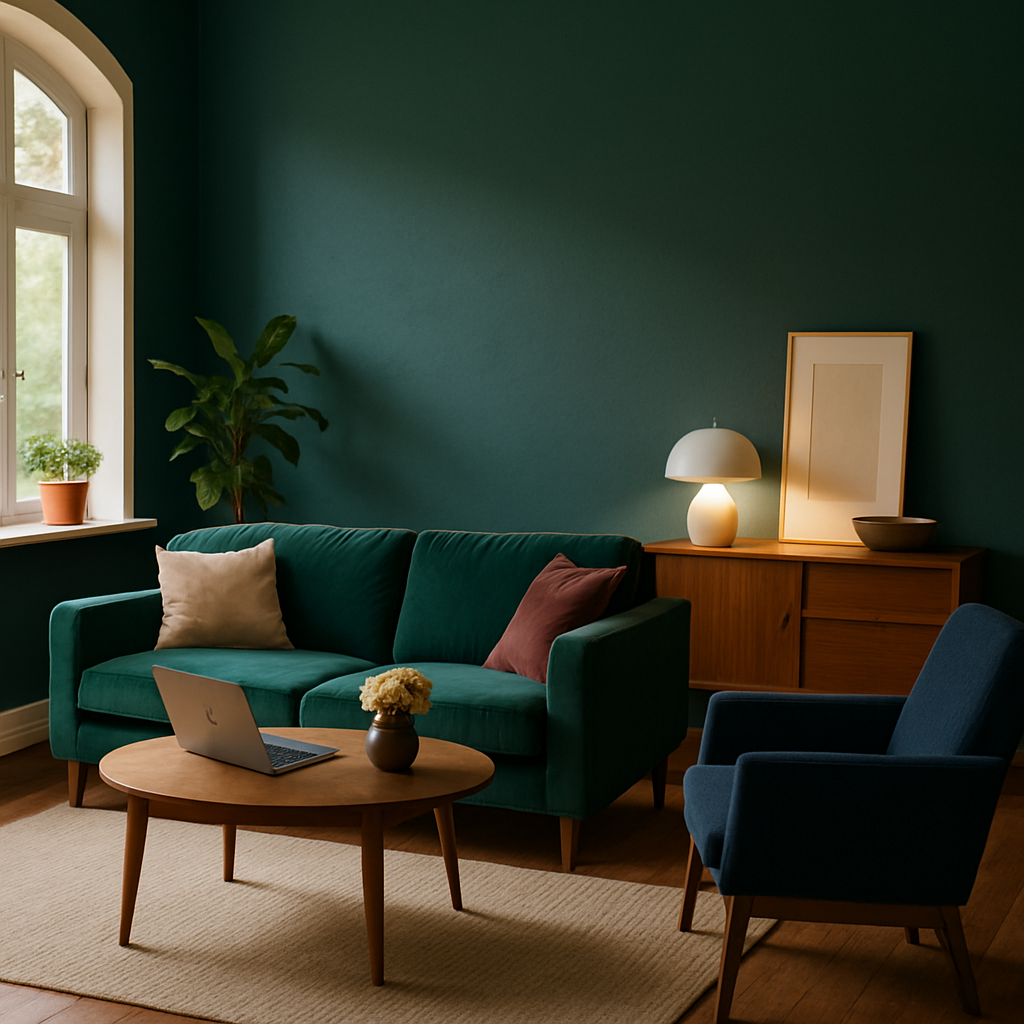
Imagine walking into a room that adapts to your mood, lighting itself just so, and suggesting furniture arrangements based on your past preferences. According to a recent survey by Houzz, nearly 70% of homeowners are intrigued by the potential of smart technology in their homes. While AI once felt like science fiction, it's now reshaping the interior design landscape, offering innovations that were unimaginable a decade ago. In this article, we'll explore how AI technology is revolutionizing interior design, providing benefits ranging from personalized aesthetics to enhanced efficiency. We'll dive into five key advantages of AI, offering insights into how you can leverage these technologies to craft spaces that are both beautiful and functional.
Understanding AI in Interior Design
Artificial Intelligence (AI) in interior design is not just about automating tasks but also enhancing creativity and precision. At its core, AI involves machine learning algorithms that analyze vast amounts of data to make informed decisions. For interior designers, this means leveraging AI tools to predict trends, optimize space usage, and personalize design elements based on client preferences. The integration of AI allows for smarter project planning, as designers can simulate various design scenarios and outcomes before making physical changes.
AI technology also enables designers to create highly customized environments. By analyzing data from previous projects and client feedback, AI systems can suggest unique design elements tailored to individual tastes. This level of personalization was traditionally achieved through labor-intensive processes but is now streamlined with AI, saving time and resources. As a result, designers can focus more on the creative aspects of their work while AI handles data analysis and logistical planning.
Furthermore, AI is transforming the visualization process. AR/VR tools, powered by AI, allow clients to virtually walk through proposed designs, providing a realistic view of what their space will look like. This not only enhances client satisfaction but also reduces the likelihood of costly revisions. As AI continues to evolve, its role in interior design is set to expand, offering even more sophisticated tools to enhance creativity and efficiency. Transitioning from foundational concepts, let's explore the data-driven insights that highlight AI's impact on the industry.
Data-Driven Insights into AI's Impact
AI technology's influence on interior design is supported by compelling data. According to the American Society of Interior Designers (ASID), firms using AI report a 30% increase in project efficiency and a 20% reduction in design errors. These statistics underscore the transformative potential of AI, making it an invaluable tool for designers seeking to enhance their workflow and output quality. By analyzing patterns and user preferences, AI can predict future design trends, helping designers stay ahead of the curve.
Moreover, a report by Architectural Digest's AD PRO network suggests that AI integration can lead to a 15% increase in client satisfaction scores. This is largely attributed to AI's ability to provide clients with more interactive and engaging design experiences. Clients can visualize their spaces in 3D, adjust elements in real-time, and make informed decisions before any physical changes are made. This level of engagement not only boosts satisfaction but also builds trust between designers and clients.
Incorporating AI also aligns with the growing demand for sustainable design solutions. AI can optimize material use, suggest eco-friendly alternatives, and minimize waste, which is increasingly important as consumers become more environmentally conscious. By utilizing AI to make data-driven decisions, designers can create spaces that are not only aesthetically pleasing but also sustainable. As we delve into actionable strategies, consider how AI might fit into your current design processes.
Actionable Strategies for Implementing AI
Integrating AI technology into your design practice can seem daunting, but starting small can yield significant results. Begin by utilizing AI tools for space planning and layout optimization. Platforms like Modsy and Havenly employ AI to create 3D models of rooms, allowing you to experiment with different layouts and furniture arrangements. This can help you discover the most efficient use of space without the need for physical rearrangements, saving both time and effort.
Another strategy is to incorporate AI-driven design software that offers style recommendations based on client data. These tools analyze client preferences, suggesting color palettes, textures, and materials that align with their tastes. Using AI in this way not only enhances personalization but also streamlines the design process, as designers can quickly filter through countless options to find the perfect match. Have you considered how AI could help you tailor designs to individual client needs more effectively?
Finally, consider implementing AI for project management and logistics. Tools like Ivy and Design Manager integrate AI to track project timelines, budgets, and inventory, ensuring that projects stay on schedule and within budget. By automating these tasks, designers can focus more on the creative aspects of their work, leading to more innovative and inspired design solutions. As we move into expert-level detail, we'll explore how AI enhances the skills of seasoned professionals.
Expert-Level Insights on AI Integration
Experienced professionals in the interior design industry often note that AI technology enhances their ability to deliver high-quality results consistently. With AI's predictive analytics, designers can anticipate client needs and preferences, offering proactive solutions that exceed expectations. For instance, AI can analyze market trends and suggest emerging styles like Japandi or biophilic design, allowing designers to incorporate these elements into their projects seamlessly.
Moreover, AI's ability to handle complex data sets enables designers to undertake larger projects with ease. By automating time-consuming tasks such as material sourcing and cost estimation, AI frees up valuable time for designers to focus on creativity and innovation. This is particularly beneficial for large-scale projects where attention to detail and precision are paramount. How might AI help you manage larger projects without compromising on quality?
AI also facilitates collaboration among design teams. By providing a centralized platform for data sharing and communication, AI ensures that all team members are aligned and informed. This collaborative advantage is crucial in maintaining consistency and coherence across different phases of a project. As AI technology continues to evolve, its integration into the design process will undoubtedly become even more sophisticated, offering new tools and techniques that redefine the industry standard. Moving forward, let's delve deeper into additional facets of AI's impact on interior design.
Expanding AI's Role in Interior Design
Beyond its current applications, AI technology holds the potential to revolutionize the interior design industry further. As AI systems become more advanced, they will likely incorporate more immersive features, such as virtual reality walkthroughs that simulate real-world lighting and acoustics. This level of realism will allow designers and clients to experience spaces in a way that is currently unimaginable, leading to more informed design decisions and higher satisfaction rates.
AI's role in sustainable design is also expected to grow. By analyzing energy consumption patterns and suggesting energy-efficient alternatives, AI can help designers create eco-friendly spaces that reduce environmental impact. This aligns with the increasing consumer demand for sustainability, positioning AI as a crucial tool in promoting environmentally responsible design practices.
Furthermore, AI-driven platforms are likely to enhance client-designer communication. By providing real-time updates and visualizations, AI can bridge the gap between client expectations and design reality, ensuring that projects are completed to the highest standard. As we wrap up, consider how these developments might influence your approach to design projects in the coming years.
Final Perspectives on AI's Future in Design
The future of interior design is undeniably intertwined with AI technology. As the industry continues to embrace these advancements, designers who adapt will find themselves at the forefront of innovation. AI's ability to enhance efficiency, personalization, and sustainability makes it an invaluable asset in modern design practices. By integrating AI into your workflow, you can unlock new possibilities for creativity and client satisfaction.
As AI tools become more accessible and affordable, even smaller design firms can capitalize on their benefits. The key is to remain open to new technologies and continuously seek out ways to incorporate them into your projects. How might you begin to explore AI's potential in your design work today?
Looking ahead, AI technology will likely continue to evolve, introducing new tools and capabilities that redefine the interior design landscape. Embracing these changes will not only enhance your design process but also position you as a leader in an increasingly competitive industry. As we conclude, let's consider the next steps you can take to incorporate AI into your design journey.
Conclusion
Incorporating AI technology into interior design offers numerous benefits, from enhancing efficiency to personalizing client experiences. As we've explored, AI can revolutionize how designers approach projects, making them more efficient, sustainable, and client-focused. Now is the time to start exploring AI tools, beginning with platforms like Modsy or Havenly for layout planning, and leveraging AI-driven project management tools to streamline your workflow. Start by researching these tools this week-just 20 minutes of exploration can open up new avenues for your design practice. Embrace the future of design with AI, and watch as your creativity and client satisfaction soar.



Comments
Post a Comment