The Future of Interior Design: Embracing Online Platforms for Your Home Makeover
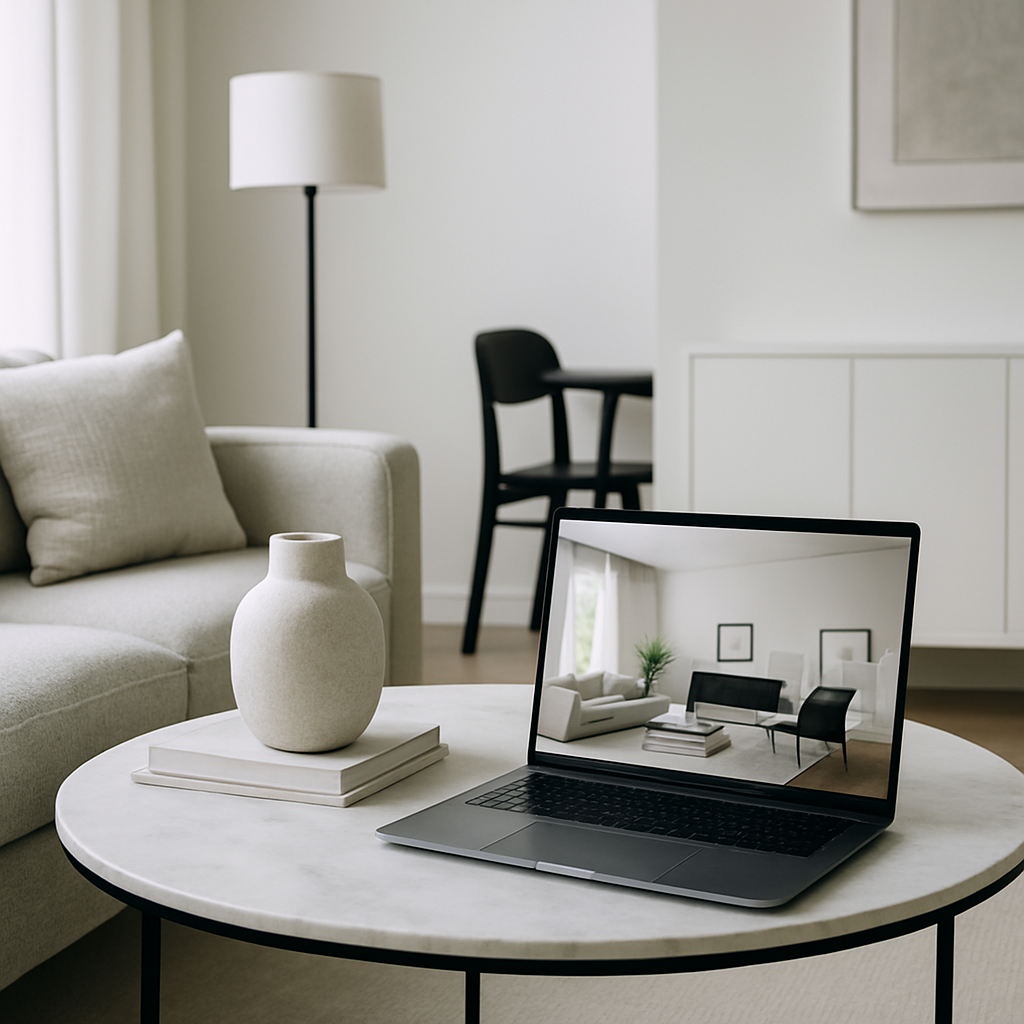
Picture this: you are standing in your living room, smartphone in hand, watching a photorealistic rendering of your redesigned space materialize on screen, complete with the afternoon light filtering through your actual windows. This is not a scene from a science fiction film but a routine Tuesday for the growing number of homeowners who have embraced online interior design platforms. The traditional model of hiring a local designer for lengthy in-person consultations is being supplemented, and in many cases replaced, by digital-first services that deliver comparable quality at a fraction of the cost and time commitment. The American Society of Interior Designers (ASID) reports that virtual consultations now account for nearly half of all initial client engagements across the profession, a shift that accelerated rapidly and shows no signs of reversing. What does this mean for homeowners who want professional results without the traditional process? It means that the future of interior design is already here, and it is more democratic, more efficient, and more personalized than anything that came before.
The Technological Foundation Powering Virtual Design
The credibility of online interior design platforms rests on a technological infrastructure that has matured significantly over the past several years. Three-dimensional modeling software that once required expensive workstations and specialized training now runs on cloud servers accessible through standard web browsers, allowing designers to create detailed room renderings from any location. These renderings have reached a level of photorealism that makes it difficult to distinguish a digital preview from a photograph of the finished space. Clients can rotate views, swap materials in real time, and even simulate different lighting conditions, all within a collaborative interface that both designer and homeowner can access simultaneously.
Augmented reality has added another layer of practical utility to the virtual design experience. Applications integrated into platforms listed on Houzz allow homeowners to point their phone cameras at an empty corner and see a proposed armchair or bookshelf appear at accurate scale within the actual room. This eliminates one of the most common mistakes in furniture purchasing: misjudging size. A sofa that looks modest on a showroom floor can overwhelm a compact living room, and augmented reality catches these miscalculations before money is spent. According to industry data tracked by AD PRO, clients who use AR visualization tools report 35 percent fewer product returns compared to those who rely on measurements and imagination alone.
Smart home integration represents the newest frontier in virtual design planning. As automated systems for lighting, climate, security, and entertainment become standard features in modern homes, designers must account for the physical infrastructure these systems require. Online platforms are beginning to incorporate smart home planning modules that map sensor locations, wiring pathways, and control panel placements directly into room designs. This prevents the common frustration of completing a beautiful renovation only to discover that the motorized shade hardware conflicts with the crown molding or that the smart speaker placement creates acoustic dead zones. The convergence of design and technology planning within a single platform is transforming how comprehensively homeowners can approach their projects.
Comparing Online and Traditional Design Service Models
Understanding the differences between online and traditional design services helps homeowners choose the approach that best fits their circumstances. Traditional full-service interior design typically involves multiple in-person site visits, hands-on material selection at showrooms and trade centers, and direct project management during installation. This model excels for complex renovations that involve structural changes, custom millwork, or coordination with contractors across multiple trades. Hourly rates for established designers working in this capacity generally range from $150 to $500, with full-room projects often reaching $10,000 to $15,000 or more depending on scope and location.
Online platforms operate on a fundamentally different economic model that passes efficiency savings on to clients. By eliminating travel time, reducing overhead costs associated with physical showrooms, and standardizing portions of the design workflow, virtual services can offer complete room designs at flat rates that start between $300 and $1,500. The International Interior Design Association (IIDA) has noted that this pricing accessibility has expanded the total market for professional design services rather than simply redistributing existing demand. People who never would have hired a traditional designer are now engaging with virtual platforms, suggesting that the two models serve overlapping but distinct audiences.
The tradeoffs are real and worth acknowledging. Online design works best for projects that do not require structural modification, where the client is comfortable managing their own product procurement and installation, and where the primary need is aesthetic direction rather than hands-on project management. Traditional services remain superior for gut renovations, multi-room projects with complex sequencing requirements, and clients who prefer a single professional to handle every detail from concept through completion. Many firms now offer hybrid models that begin with virtual consultation and transition to in-person oversight for the implementation phase, capturing the efficiency of digital communication and the reliability of on-site presence. Which model resonates more with how you prefer to work on your home?
How Online Platforms Are Democratizing Design Access
The democratization of interior design through online platforms is perhaps the most significant cultural shift in the residential design industry in decades. Historically, professional design services were concentrated in affluent urban markets where client budgets justified the fees and where designer density created a competitive marketplace. Homeowners in smaller cities, rural areas, or regions with limited design talent had few options beyond do-it-yourself approaches or settling for the generic recommendations of furniture store sales associates. Online platforms have dissolved these geographic barriers entirely, connecting a homeowner in a rural midwestern town with a designer based in a coastal design hub.
Economic barriers have fallen alongside geographic ones. ASID research indicates that the median household income of online design platform users is roughly 30 percent lower than that of traditional full-service design clients, confirming that these platforms are reaching a population that was previously unserved. This expansion is not diluting design quality but rather extending its benefits to a broader base. Many designers working on virtual platforms hold the same NCIDQ certification as their peers in traditional firms, and the curated product databases these platforms maintain include the same trade-only brands available through conventional channels.
Cultural democratization is happening too. Online platforms are naturally more inclusive because they serve clients across diverse backgrounds, regional traditions, and aesthetic sensibilities without the implicit gatekeeping that sometimes occurs in high-end design culture. A client who wants to incorporate family heirlooms, cultural artifacts, or unconventional color preferences into their space can do so without the social dynamics of an in-person relationship where they might feel judged or pressured to conform to a designer's signature style. The digital format puts the client's vision at the center of the process by design, not merely by good intention. This structural advantage makes online platforms inherently more responsive to the full spectrum of how people actually want to live.
Navigating the Selection Process for Online Design Services
Choosing the right online design platform requires the same due diligence you would apply to hiring any professional service, and a few key criteria can guide your evaluation. First, examine the qualifications of the designers on the platform. Reputable services employ or contract with designers who hold recognized credentials such as NCIDQ certification or membership in professional organizations like IIDA or ASID. These credentials indicate that a designer has met educational requirements, completed supervised experience hours, and passed rigorous examinations covering building codes, spatial planning, material specifications, and professional ethics. Platforms that do not disclose designer qualifications should be approached with caution.
Second, review the platform's portfolio with a critical eye for diversity of style. A service that showcases only one aesthetic, whether it is farmhouse chic or ultra-contemporary minimalism, may struggle to accommodate your unique preferences. The best platforms demonstrate range, showing successful projects across traditional, modern, transitional, and eclectic directions. Pay particular attention to projects that share constraints similar to yours, such as comparable room sizes, similar budget ranges, or analogous architectural styles. A designer who has produced beautiful results in a 1960s split-level with a moderate budget is likely a better match for your similar project than one whose portfolio consists exclusively of new-construction penthouses.
Third, understand the platform's revision policy and communication structure before committing. How many concept revisions are included in the flat fee? What is the expected turnaround time between submissions? Can you communicate with your assigned designer directly, or does all correspondence pass through a project coordinator? These operational details have a significant impact on your experience and satisfaction. Some platforms offer unlimited revisions within a defined project window, while others cap revisions at two or three rounds to keep projects moving forward. Neither approach is inherently superior, but knowing the terms in advance prevents frustration and mismatched expectations later in the process.
Integrating Smart Home Technology into Your Design Vision
Smart home technology has moved from a niche interest for early adopters into a mainstream consideration that affects interior design at every level. Automated lighting systems that adjust color temperature from warm amber in the evening to cool white during work hours can dramatically alter the mood of a room without changing a single physical element. Motorized window treatments that respond to sunlight sensors eliminate the need for manual adjustment while preserving clean sight lines that fixed hardware can disrupt. Voice-controlled climate zones allow different rooms to maintain different temperatures, which means a sun-drenched south-facing study and a shaded north-facing bedroom can both remain comfortable without compromise.
The design challenge with smart home technology is integration, specifically ensuring that the devices, sensors, and control interfaces enhance rather than clutter the aesthetic environment. A room studded with visible smart speakers, sensor pods, and charging stations can feel more like a technology showroom than a living space. Online designers with experience in smart home planning know how to conceal infrastructure within architectural details, specify devices that complement rather than conflict with the design direction, and position control interfaces where they are accessible but not visually dominant. This expertise is increasingly important as the number of connected devices in the average home continues to grow.
Planning smart home integration during the design phase rather than adding it retroactively saves both money and aesthetic compromise. When lighting circuits, speaker wiring, and sensor placements are specified as part of the initial room plan, they can be routed through walls and ceilings before finishes are applied. Retrofitting the same systems into a completed room often means surface-mounted conduits, visible wire runs, and device placements dictated by existing outlet locations rather than optimal positioning. Have you considered how technology infrastructure might influence your next design project? Online design platforms that include smart home planning in their service offerings provide a meaningful advantage for homeowners who want their spaces to be both beautiful and intelligently connected.
Sustainability and Ethical Sourcing in Virtual Design
The environmental dimension of interior design has gained substantial importance among homeowners, and online platforms are well positioned to address this concern systematically. Virtual design eliminates the carbon footprint associated with multiple in-person site visits, showroom trips, and sample deliveries, but the sustainability benefits extend well beyond reduced travel. Many platforms now maintain curated databases of environmentally certified products, making it straightforward for designers to specify materials that meet recognized standards for sustainable forestry, low-VOC emissions, recycled content, and ethical manufacturing practices. ASID has published comprehensive sustainability guidelines that increasing numbers of online designers are incorporating into their standard practice.
Biophilic design principles, which integrate natural elements and patterns into built environments, align naturally with sustainability goals while delivering measurable wellness benefits. Research cited by the International Interior Design Association shows that biophilic elements in residential spaces can reduce perceived stress by up to 15 percent and improve self-reported mood scores. Online designers can recommend strategies ranging from simple interventions like positioning furniture to maximize views of outdoor greenery to more involved approaches such as installing living moss walls, incorporating natural stone and reclaimed wood, or designing indoor water features that improve air humidity and acoustic quality.
Ethical sourcing is a related but distinct concern that online platforms address through supply chain transparency. Clients increasingly want to know not just what their furniture is made from but who made it and under what conditions. Platforms that partner with artisan cooperatives, fair-trade manufacturers, and small-batch producers give clients the option to furnish their homes in alignment with their values. This is not merely a feel-good consideration but a practical quality indicator: handcrafted furniture made from responsibly sourced hardwood under fair labor conditions typically outlasts mass-produced alternatives by a significant margin. The initial cost premium pays for itself through longevity, reducing the environmental burden of frequent replacement cycles and keeping furnishings out of landfills.
Conclusion: Embracing the New Era of Home Design
The convergence of professional design expertise, advanced visualization technology, and accessible pricing models has created an unprecedented opportunity for homeowners to transform their living spaces with confidence and creativity. Online interior design platforms are not replacing the value of traditional design services but expanding the universe of people who can benefit from professional guidance. Whether you are refining a single room or reimagining your entire home, these platforms offer a structured, supportive process that respects your budget, reflects your personality, and produces results grounded in professional knowledge. The barriers that once stood between homeowners and beautifully designed spaces, geographic isolation, intimidating price points, uncertainty about personal style, are dissolving rapidly. Take the practical step of requesting a consultation from a platform whose portfolio and credentials inspire your confidence. Provide honest input about your life, your preferences, and your constraints, and allow a qualified designer to show you possibilities you may not have imagined on your own. The future of interior design is collaborative, accessible, and waiting for you to participate.
More Articles You May Like



Comments
Post a Comment