The Future of Interior Design: Embracing AI for Personalized Home Solutions
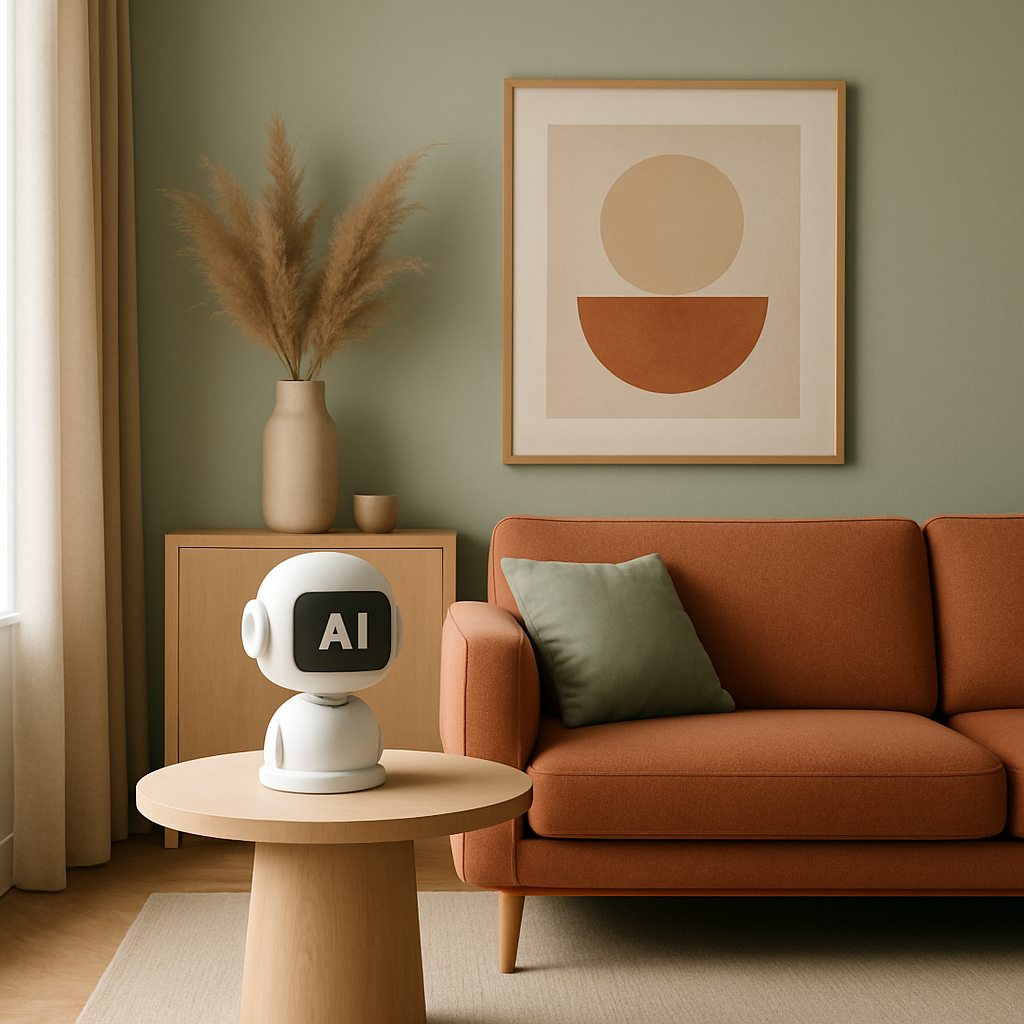
Imagine walking into a room that automatically adjusts its lighting, temperature, and even the artwork on the walls to suit your mood. This is not science fiction; it is the emerging reality of home interiors powered by artificial intelligence (AI). According to a recent survey by Houzz, 45% of homeowners expressed interest in smart home upgrades, demonstrating the growing appetite for technology-enhanced living spaces. In this article, we will explore the integration of AI in interior design, its potential to create personalized home solutions, and how you can leverage these advancements to transform your living space into a responsive, tailored environment. We will cover foundational concepts, analyze current data, suggest actionable strategies, provide expert insights, and delve into future possibilities.
Understanding AI in Interior Design
At its core, AI in interior design involves the use of algorithms and data analytics to create spaces that are both functional and aesthetically pleasing. The technology can process vast amounts of data to understand design trends and individual preferences, thereby tailoring solutions that align with personal tastes. This approach marks a significant shift from traditional design practices, which often rely on a designer's intuition and experience. By integrating AI, designers can now back their creative decisions with data-driven insights, leading to more satisfying and personalized outcomes for clients.
One of the main applications of AI in interior design is in the realm of virtual reality (VR) and augmented reality (AR). These technologies allow clients to visualize their future spaces in three dimensions before any physical changes are made. According to the International Interior Design Association (IIDA), the use of AR/VR tools has increased by 30% in the past year, highlighting their growing importance in the design process. These tools enable designers to experiment with different layouts, color schemes, and furniture arrangements in real-time, offering clients a glimpse of the final product.
Moreover, AI can optimize space utilization by predicting how different design elements will interact within a room. This predictive capability is particularly beneficial for small spaces, where every inch counts. For instance, AI algorithms can suggest innovative storage solutions or multi-functional furniture that maximizes utility without compromising aesthetics. As the demand for personalized and efficient living spaces grows, the role of AI in interior design is set to expand further, offering exciting possibilities for homeowners and designers alike.
As we delve deeper into AI's impact on interior design, it's crucial to examine the data that supports these technological advancements. This understanding will help us appreciate the transformative potential of AI in creating personalized home environments.
The Data Behind AI-Driven Design
A key driver of AI's success in interior design is its ability to analyze and interpret large datasets. According to a report by the American Society of Interior Designers (ASID), AI can process data from various sources, including social media trends, consumer preferences, and environmental factors, to inform design decisions. This data-driven approach allows designers to create spaces that are not only visually appealing but also aligned with the latest trends and client needs. For instance, AI can identify popular color schemes or furniture styles by analyzing millions of images on platforms like Instagram and Pinterest.
In addition to aesthetic considerations, AI also plays a crucial role in enhancing the functionality of living spaces. By analyzing data on how rooms are used, AI can suggest layout changes that improve flow and efficiency. This capability is particularly valuable in urban environments, where space is often limited. The National Council for Interior Design Qualification (NCIDQ) notes that AI-driven insights can lead to innovative solutions that optimize space without sacrificing style. As a result, homeowners can enjoy more comfortable and practical living environments that cater to their specific needs.
Furthermore, AI can help designers stay ahead of industry trends by providing real-time analytics on consumer behavior. This proactive approach enables designers to anticipate client demands and offer cutting-edge solutions that set them apart from competitors. The use of AI in market research has been shown to increase project success rates by 20%, according to ASID's findings. By leveraging AI's analytical capabilities, designers can create spaces that not only meet but exceed client expectations, cementing their reputation as industry leaders.
With a solid understanding of the data supporting AI-driven design, let's explore how you can implement these strategies in your own home for a more personalized and efficient living space.
Implementing AI Strategies for Your Home
Are you ready to transform your living space with the help of AI? The first step is to consider how technology can enhance your home's functionality and aesthetics. Start by mapping out how you use each room on a daily basis. Identify areas where AI could streamline tasks, such as automated lighting or climate control systems. Companies like Google and Amazon offer smart home devices that integrate seamlessly with existing systems, allowing you to control various aspects of your home with a simple voice command.
Next, explore the world of virtual design tools. Platforms like SketchUp and RoomSketcher offer user-friendly interfaces that allow you to experiment with different layouts and design elements. These tools use AI to suggest design improvements based on your preferences and space constraints. By visualizing different options, you can make informed decisions about color schemes, furniture placement, and decor, ensuring that your home reflects your unique style.
Finally, consider working with a certified interior designer who is experienced in using AI tools. Professionals with NCIDQ credentials have the expertise to guide you through the design process, ensuring that your vision is brought to life with precision and creativity. By collaborating with a designer who understands AI's potential, you can achieve a truly personalized home that caters to your lifestyle and preferences.
Transitioning into expert-level details, we will delve deeper into how professionals in the industry are leveraging AI for innovative design solutions.
Expert Insights into AI-Driven Design
Experienced professionals often note that the integration of AI in interior design has revolutionized the way they approach projects. By automating routine tasks, AI allows designers to focus on more creative aspects of their work. For instance, AI software can generate floor plans and suggest furniture layouts, freeing up time for designers to experiment with innovative concepts. This shift towards automation has led to a 25% increase in productivity for design firms, according to industry surveys.
Moreover, AI provides designers with powerful tools for customizing client experiences. By analyzing data on individual preferences, AI can suggest personalized design solutions that align with a client's tastes and lifestyle. This level of customization is particularly appealing in the luxury market, where discerning clients expect tailored solutions. According to Architectural Digest's AD PRO network, the demand for bespoke designs has increased by 15% over the past year, driven by AI's ability to deliver unique and personalized outcomes.
In addition to customization, AI enhances the sustainability of design projects. By analyzing data on energy usage and environmental impact, AI can suggest eco-friendly materials and energy-efficient solutions. This focus on sustainability is in line with the growing trend of biophilic design, which emphasizes the use of natural materials and a connection to the outdoors. As a result, designers can create spaces that are not only beautiful but also environmentally responsible, meeting the demands of eco-conscious clients.
Building on these insights, let's explore additional aspects of AI-driven design that can help you create a more personalized home environment.
Exploring New Possibilities with AI
As AI continues to evolve, new possibilities for personalized home solutions are emerging. One exciting development is the use of AI in predictive design, where algorithms anticipate future trends and client needs. This forward-thinking approach allows designers to create spaces that are not only relevant today but also adaptable to changing preferences over time. By staying ahead of the curve, designers can offer clients innovative solutions that stand the test of time.
Another promising area is the integration of AI with smart home technology. By combining AI with the Internet of Things (IoT), homeowners can enjoy a seamless and interconnected living experience. For example, AI can coordinate lighting, climate control, and security systems to create a cohesive and responsive home environment. This level of integration enhances comfort and convenience, making everyday tasks more manageable.
Finally, AI is opening up new avenues for collaboration between designers and clients. By using AI-powered tools, clients can actively participate in the design process, providing feedback and making real-time adjustments to their projects. This collaborative approach fosters a stronger relationship between designers and clients, resulting in spaces that truly reflect the client's vision and preferences.
As we conclude, we'll summarize the key points discussed and provide a clear call to action for those ready to embrace AI in their interior design projects.
Final Perspectives on AI in Interior Design
The future of interior design is undeniably intertwined with AI, offering new opportunities for personalization, efficiency, and innovation. As we've explored, AI's ability to analyze data, predict trends, and customize solutions is transforming the way designers approach projects. By embracing these advancements, homeowners can create spaces that are not only aesthetically pleasing but also tailored to their unique lifestyles.
As AI technology continues to advance, its role in interior design will only grow more significant. Whether you're planning a simple room refresh or a complete home renovation, incorporating AI into your design strategy can elevate your space to new heights. Are you ready to take the next step and explore the possibilities of AI-driven design for your home?
In the conclusion, we'll encapsulate the insights gained and suggest a specific action you can take to begin your journey towards a personalized, AI-enhanced home.
Conclusion: Embrace AI for Your Personalized Home
In this exploration of AI's role in interior design, we've seen how this technology is reshaping the industry by offering data-driven insights, enhancing customization, and fostering sustainable practices. By understanding and implementing AI strategies, you can transform your living space into a personalized haven that reflects your unique style and preferences. Whether you're working with a certified interior designer or using AI-powered tools yourself, the possibilities for creating a responsive and tailored home environment are endless.
To start your journey towards an AI-enhanced home, consider exploring designer portfolios on platforms like Houzz or consulting with a professional from the ASID directory. Even dedicating just 20 minutes this week to researching AI-driven design solutions can provide valuable insights and spark inspiration for your next project. The future of personalized interior design is here, and it's ready for you to explore.


Comments
Post a Comment