The Future of Interior Architecture: Sustainable Solutions for Eco-Friendly Spaces
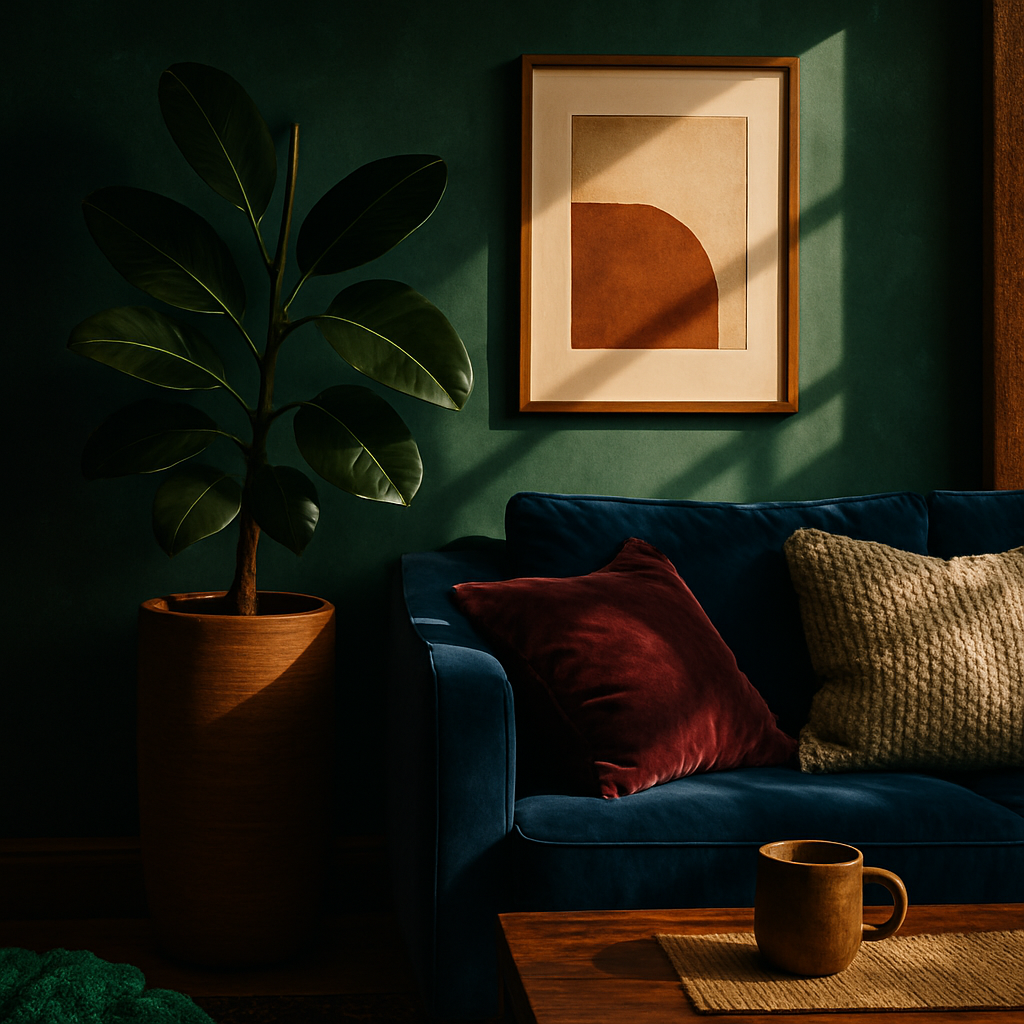
Imagine walking into a home that not only delights your senses but also respects the planet. According to a survey by the American Society of Interior Designers (ASID), over 70% of homeowners now prioritize sustainability in their renovation projects. As we look toward the future of interior architecture, eco-friendly spaces are no longer just a trend-they're becoming a necessity. This article explores sustainable solutions that can transform any space into an environmentally conscious haven. We will discuss foundational concepts of green design, delve into supporting data, offer actionable strategies, provide expert insights, and conclude with advanced techniques for the eco-minded homeowner.
Understanding Sustainable Design in Interior Architecture
Sustainable design in interior architecture involves creating spaces that minimize environmental impact while maximizing functionality and aesthetics. This approach encompasses the use of renewable resources, energy-efficient technologies, and materials with low environmental footprints. For instance, choosing bamboo flooring over traditional hardwood can significantly reduce deforestation rates. Bamboo grows rapidly and regenerates without the need for replanting, making it a renewable alternative.
Additionally, biophilic design, which incorporates natural elements into indoor spaces, is gaining traction. This design philosophy not only enhances aesthetic appeal but also improves occupant well-being. Studies suggest that integrating natural elements can reduce stress and improve productivity. By strategically placing plants or designing interiors that maximize natural light, you can bring the calming essence of nature indoors.
When considering sustainable solutions, it's essential to evaluate the lifecycle of materials. This means assessing the environmental impact from production to disposal. Reclaimed wood, for example, not only breathes new life into discarded materials but also adds unique character and history to a space. As you explore the possibilities of sustainable design, consider how each choice aligns with your environmental values and contributes to a healthier planet.
The next section will dive into the statistical data supporting the shift towards sustainable interior architecture.
Sustainability by the Numbers: Data Supporting Green Design
Recent data underscores the growing importance of sustainable design in interior architecture. According to a 2024 Houzz survey, 68% of homeowners reported investing in energy-efficient home upgrades during their last renovation. This trend reflects a broader shift towards eco-friendly living, driven by both environmental concerns and potential financial savings. Energy-efficient lighting, smart thermostats, and low-flow plumbing fixtures are just a few examples of upgrades that can reduce a home's carbon footprint.
Moreover, the International Interior Design Association (IIDA) has noted a 30% increase in the demand for sustainable materials over the past five years. This demand is fueled by consumer awareness of the environmental impact of traditional building materials. Sustainable options, such as recycled glass countertops or VOC-free paints, are not only eco-friendly but also provide a healthier indoor environment by reducing exposure to toxins.
The financial aspect also plays a significant role in the adoption of sustainable practices. Industry experts estimate that eco-friendly home improvements can yield a 5-15% increase in property resale value. This potential return on investment makes sustainable design a smart choice for both environmental and financial reasons. As we move forward, let's explore actionable strategies for implementing these sustainable solutions in your own space.
In the following section, we'll cover practical steps you can take to incorporate these eco-friendly solutions into your home design.
Actionable Strategies for Eco-Friendly Home Design
Creating an eco-friendly home doesn't have to be daunting. Start by conducting an energy audit to identify areas where you can reduce consumption. Local utility companies often provide free audits, offering insights into how to optimize your energy use. Once you have this information, you can prioritize upgrades such as installing solar panels or adding insulation to reduce heating and cooling costs.
Another effective strategy is to focus on water conservation. Low-flow faucets, dual-flush toilets, and drought-resistant landscaping can significantly cut water usage. According to the Environmental Protection Agency (EPA), homes with water-efficient fixtures can save up to 20% more water compared to traditional setups. By implementing these changes, you not only contribute to water conservation but also lower your utility bills.
When it comes to interior decoration, opt for furniture and decor made from sustainable materials. Look for items crafted from recycled or upcycled materials, or consider investing in vintage pieces that add character while reducing demand for new production. Platforms like Houzz and Pinterest are excellent resources for finding inspiration and sourcing eco-friendly products. As you make these changes, think about the long-term impact on both your home and the environment.
Next, we'll explore expert insights on sustainable design to deepen your understanding of eco-friendly interior architecture.
Expert Insights on Sustainable Interior Architecture
Experienced professionals often note that sustainable interior architecture goes beyond material choices and encompasses the broader concept of environmental responsibility. Certified interior designers (NCIDQ) emphasize the importance of designing spaces that support both human health and environmental sustainability. This involves considering indoor air quality, natural lighting, and even acoustics to create a holistic environment.
One emerging trend is the use of smart technology to enhance sustainability. Automated lighting and climate control systems not only improve energy efficiency but also add a layer of convenience. By integrating smart devices, you can create a responsive environment that adapts to your lifestyle while minimizing energy waste. These systems can be programmed to adjust based on time of day or occupancy, ensuring that resources are used efficiently.
Another key consideration is the sourcing of local materials. By choosing locally produced goods, you reduce the carbon footprint associated with transportation. This practice not only supports local economies but also ensures that materials are suitable for the regional climate. As you explore these expert insights, consider how they can be applied to create a home that is both beautiful and environmentally responsible.
In the next section, we'll delve into additional details that can enhance your sustainable design efforts.
Enhancing Your Sustainable Design Efforts
For those deeply committed to sustainability, consider incorporating renewable energy sources into your design. Solar panels, geothermal heating, and wind turbines are viable options that can significantly reduce your reliance on non-renewable energy. While the initial investment might be substantial, the long-term savings and environmental benefits are well worth it.
Another approach is to embrace the concept of a circular economy in your home design. This involves rethinking waste as a resource and finding ways to repurpose materials. For instance, using reclaimed wood for shelving or creating furniture from recycled metals can add both sustainability and uniqueness to your space. This practice not only reduces waste but also promotes creativity in design.
Lastly, consider the role of education and advocacy in promoting sustainable design. Share your knowledge with family and friends, and encourage them to adopt eco-friendly practices. By becoming an ambassador for sustainability, you can inspire others to make conscious choices that benefit the planet. As you continue your journey toward eco-friendly living, remember that every small step makes a difference.
Our final section will offer concluding thoughts and a call to action for those ready to embrace sustainable design.
Final Perspectives on Eco-Friendly Interior Architecture
As you reflect on the future of interior architecture, it's clear that sustainability is not just a choice-it's a responsibility. The decisions you make today can significantly impact the environment and contribute to a more sustainable future. By prioritizing eco-friendly solutions, you create spaces that are not only beautiful but also kind to the planet.
Are you ready to take the next step towards a more sustainable home? Start by educating yourself on the latest trends and technologies in sustainable design. Attend workshops, follow industry leaders, and engage with online communities to expand your knowledge and stay informed. The more you learn, the better equipped you'll be to make environmentally conscious decisions.
Conclusion: Embrace the Future of Sustainable Living
In conclusion, the future of interior architecture lies in sustainable solutions that respect and preserve our environment. By understanding the principles of green design, applying actionable strategies, and leveraging expert insights, you can create eco-friendly spaces that align with your values. Remember, sustainable design is a continuous journey that evolves with new technologies and innovations.
Ready to transform your home into an eco-friendly oasis? Start by browsing portfolios on platforms like Houzz to gather ideas and connect with certified designers who specialize in sustainable architecture. Spend even 20 minutes a day researching and you'll soon sharpen your eye for what truly resonates with you. By taking these steps, you'll not only enhance your living spaces but also contribute to a healthier planet for future generations.


Comments
Post a Comment