The Future of Home Decor: Exploring the Benefits of Virtual Interior Design Services
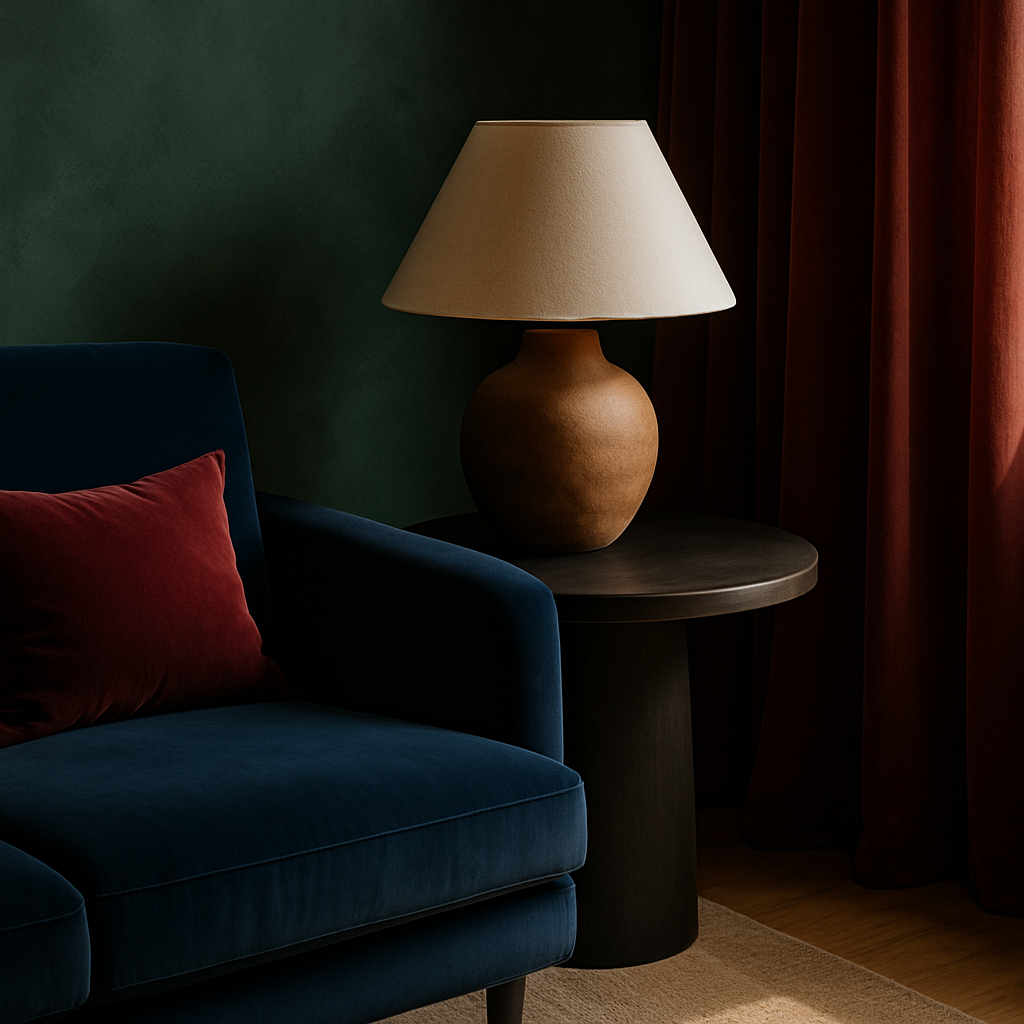
Imagine redesigning your home without stepping outside. In 2023, virtual interior design services are transforming this dream into a reality. Industry surveys suggest that digital design consultations are growing by 35% annually, offering unprecedented convenience and accessibility. With the future of home decor evolving, these services are poised to revolutionize how we approach interior design. This article will delve into the foundational concepts of virtual interior design, analyze its growing impact with supporting data, provide actionable strategies for homeowners, and explore advanced insights from the field. We'll also discuss additional layers of depth and conclude with final perspectives on this digital frontier.
The Basics of Virtual Interior Design
Virtual interior design services are a digital evolution of traditional design consultations. At their core, these services provide homeowners the ability to collaborate with professional designers remotely, using platforms such as Modsy, Havenly, and Decorist. These platforms typically employ a blend of 3D visualization tools and digital mood boards to create tailored design solutions. This approach not only saves time but also allows for a wider range of design styles to be explored.
One of the most significant advantages of virtual design is its accessibility. Imagine living in a rural area with limited access to professional designers. Virtual services eliminate geographical barriers, connecting you with top-tier designers from around the globe. This democratization of design expertise means that more people can access high-quality design services regardless of their location.
Moreover, virtual interior design often comes at a fraction of the cost of traditional services. While in-person consultations may range from $150 to $500 per hour, virtual packages can start as low as $79 for a single room. This affordability opens up possibilities for those who may have previously considered professional design out of reach. As we move forward, understanding these foundational concepts sets the stage for deeper insights into the industry's evolution.
The Growing Impact of Virtual Design Services
According to Houzz, a leading platform for home renovation and design, 55% of homeowners are now considering virtual consultations as part of their remodeling projects. This shift is driven by the increasing comfort with digital interactions and the effectiveness of the services provided. Virtual platforms often utilize advanced technologies like augmented reality (AR) to help clients visualize changes in real-time, enhancing decision-making and satisfaction.
Additionally, data from the American Society of Interior Designers (ASID) highlights a 40% increase in satisfaction among clients who used virtual services compared to traditional methods. This satisfaction stems from the ability to iterate designs swiftly and receive feedback almost instantaneously. As a result, clients experience less stress and more enjoyment during the redesign process.
The impact of these services is not only felt in individual homes but also in the broader market. The global virtual interior design market is projected to reach $4 billion by 2026, underscoring its growing importance in the home decor industry. As we analyze deeper, it's clear that these digital services are reshaping expectations and standards for interior design.
Strategies for Engaging with Virtual Design
Are you considering jumping into the world of virtual interior design? Start by researching the platforms that best suit your needs. Platforms like Houzz and Pinterest offer vast resources for inspiration, while Modsy and Decorist provide comprehensive design services tailored to your style and budget. Begin by identifying your design preferences and budget constraints, setting a clear framework for your project.
Once you've selected a platform, take advantage of the tools available. Many virtual design services offer interactive questionnaires to help define your style. Use these tools to communicate your vision effectively, ensuring that the designer understands your taste and requirements. Remember, clear communication is key to a successful outcome.
Finally, be proactive in the design process. Experienced professionals often note that the most successful projects are those where clients are actively involved. Engage with the designer, ask questions, and provide feedback. This collaboration not only enhances the final design but also makes the process more enjoyable and personalized. As we look to expert insights, the integration of virtual services into traditional design becomes increasingly seamless.
Expert Insights into Virtual Interior Design
The integration of virtual design services with traditional methods is a topic of keen interest among industry experts. The National Council for Interior Design Qualification (NCIDQ), known for its rigorous certification process, suggests that the future of design will likely involve a hybrid approach. By combining virtual consultations with occasional in-person visits, designers can offer a more comprehensive service tailored to client needs.
Furthermore, the International Interior Design Association (IIDA) emphasizes the importance of continuous learning and adaptation for designers. As virtual tools evolve, so too must the skills of those who wield them. Designers are now expected to be proficient not only in design principles but also in digital technologies that enhance client experiences.
One exciting development is the use of VR (virtual reality) in design presentations. By providing clients with immersive experiences, VR helps them make informed decisions about colors, layouts, and furniture placements. This technology represents a significant leap forward in client engagement, making the design process more interactive and engaging. As we explore additional depths, it's clear that these insights are shaping the future of interior design.
Additional Depth: Environmental and Economic Benefits
Virtual interior design services offer environmental and economic benefits that extend beyond the individual project. By reducing the need for physical travel and minimizing resource use, these services contribute to more sustainable design practices. The emphasis on digital tools also reduces the carbon footprint associated with traditional design processes.
Economically, virtual design services open up new opportunities for designers and clients alike. Designers can expand their client base without geographical limitations, while clients benefit from competitive pricing and a wider range of options. This dynamic fosters innovation and competition in the industry, ultimately raising the bar for quality and service.
As we consider these benefits, it's worth asking: how can virtual design services continue to evolve? The answer lies in embracing technological advancements and maintaining a commitment to sustainability. As we move toward the final perspectives on this topic, the potential for growth in virtual interior design remains vast and promising.
Final Perspectives on Virtual Interior Design
As we've explored, virtual interior design services are more than just a trend-they represent a fundamental shift in how we approach home decor. By offering convenience, accessibility, and innovative solutions, these services are poised to become a staple in the design industry. Looking ahead, the integration of advanced technologies like VR and AR will only enhance their appeal and effectiveness.
However, the success of virtual design depends on the willingness of both designers and clients to embrace change. For those ready to explore this new frontier, the benefits are clear: personalized service, cost savings, and a more enjoyable design experience. As we conclude, it's evident that the future of home decor is bright, innovative, and increasingly digital.
Conclusion
In conclusion, the future of home decor is being redefined by the rise of virtual interior design services. These platforms offer a unique blend of accessibility, affordability, and innovation, making professional design services more attainable than ever. If you're ready to explore this exciting digital landscape, start by browsing portfolios on Houzz or Modsy this week-just 20 minutes of research can sharpen your eye for what you want. As you embark on this journey, remember that the possibilities are endless, and your dream space is just a few clicks away.



Comments
Post a Comment