The Future of Home Decor: Exploring AI Innovations in Interior Design
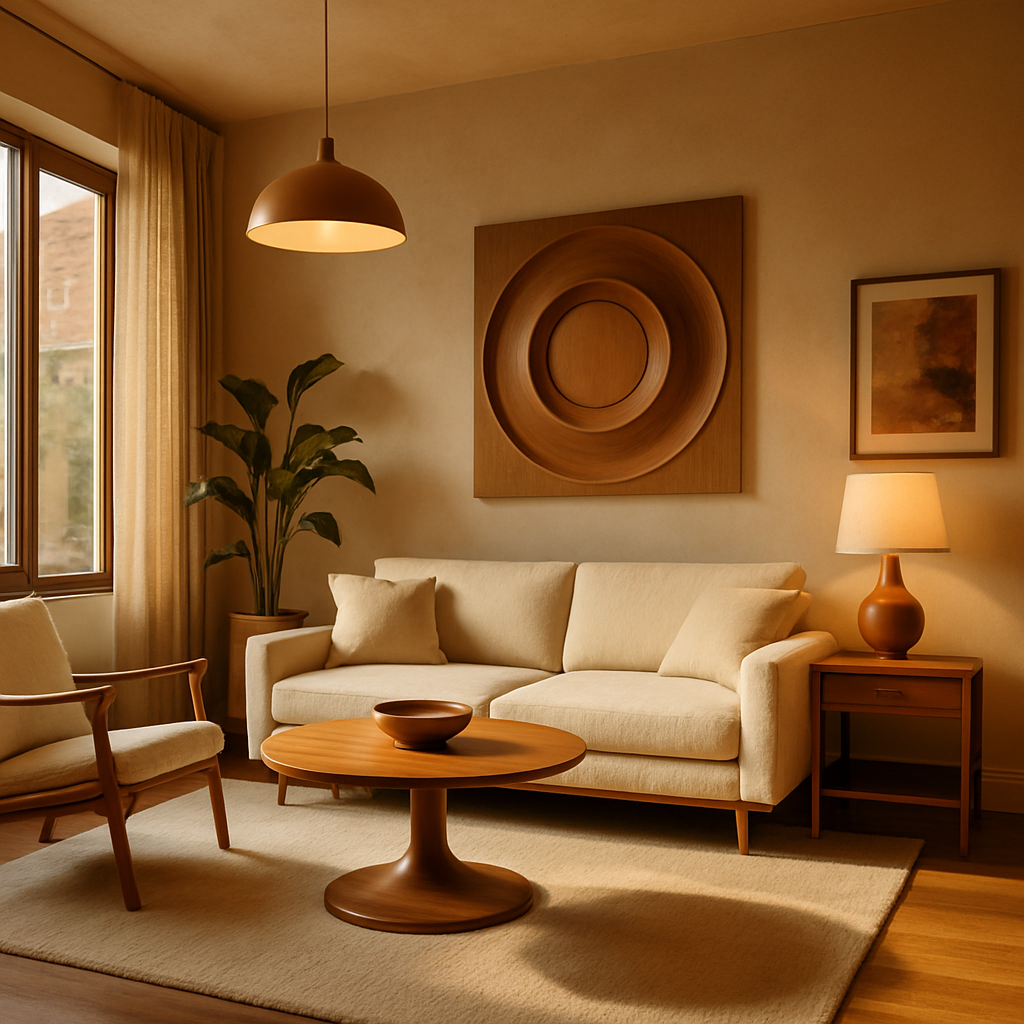

Imagine walking into a room that instinctively adjusts its lighting, temperature, and even its wall colors to match your mood. This futuristic scenario is becoming a reality as artificial intelligence (AI) continues to transform the interior design industry. According to a recent survey by the American Society of Interior Designers (ASID), over 30% of designers are already integrating AI tools into their workflow. This technological shift not only enhances creativity but also streamlines the design process, offering unprecedented possibilities for both professionals and homeowners. In this article, we'll explore the foundational concepts of AI in interior design, delve into the data behind its adoption, uncover actionable strategies for utilizing AI tools, and provide expert-level insights into the future of home decor.
Understanding AI in Interior Design
Artificial intelligence in interior design is more than just a buzzword; it's a transformative force reshaping how spaces are conceived and crafted. At its core, AI refers to the simulation of human intelligence processes by machines, particularly computer systems. These processes include learning, reasoning, and self-correction. In the context of interior design, AI applications range from 3D visualization software to predictive design algorithms that suggest optimal layouts and color schemes based on user preferences.
One of the most significant advantages of AI is its ability to handle vast amounts of data quickly and efficiently. For instance, platforms like Houzz utilize AI algorithms to analyze millions of images, helping users find home decor inspirations that match their style preferences. This capability not only saves time but also enhances the precision of design proposals. Imagine being able to select a specific aesthetic vibe with just a few clicks, dramatically reducing the trial-and-error phase of design.
Furthermore, AI-powered tools are democratizing design expertise. Advanced applications use machine learning to offer design recommendations that traditionally required a seasoned designer's eye. Tools like Modsy provide virtual room designs based on your space's dimensions and your stylistic preferences, making professional design accessible to a broader audience. As we transition to the next section, we'll examine the data underpinning these innovations and their impact on the industry.
The Data Behind AI Adoption in Interior Design
The growing adoption of AI in interior design is backed by compelling data. According to a 2023 report from Architectural Digest's AD PRO network, nearly 40% of interior designers have started using AI tools to enhance their design processes. The integration of these technologies is not just a trend; it's becoming an industry standard. Designers are leveraging AI to manage complex projects more efficiently, from concept development to installation.
Moreover, AI has shown a significant impact on project timelines and costs. A study by the International Interior Design Association (IIDA) revealed that AI-driven design processes could reduce project timelines by up to 30%. This efficiency translates into cost savings, making high-quality design more affordable for clients. By minimizing the time spent on iterative design adjustments, designers can focus on what truly matters: crafting beautiful and functional spaces.
In addition to time and cost savings, AI also enhances design accuracy. The National Council for Interior Design Qualification (NCIDQ) highlights that AI can predict design outcomes with a high degree of accuracy, reducing the likelihood of costly design errors. This accuracy is particularly beneficial in large-scale projects where small mistakes can lead to significant financial repercussions. Next, we'll explore how you can leverage these AI tools effectively in your design projects.
Leveraging AI Tools for Your Design Projects
Are you ready to incorporate AI into your design projects? Start by exploring some of the most popular AI-powered tools available today. Platforms like Planner 5D and SketchUp use AI to offer intuitive design experiences that allow you to visualize rooms in three dimensions. These tools are particularly useful for homeowners looking to experiment with different layouts and color schemes before committing to a design direction.
For a more personalized approach, consider utilizing AR/VR room visualization tools. These technologies provide immersive experiences that let you "walk through" your design plans as if they were already built. This not only helps in making more informed decisions but also improves communication with clients and contractors. Experienced professionals often note that visualizing the end result can dramatically increase client satisfaction, as it aligns expectations with reality.
If you're looking to streamline procurement, AI can assist with that too. Platforms like Houzz Pro offer AI-powered product recommendations and pricing tools that simplify the selection of furnishings and decor. By analyzing your project's style and budget, these tools suggest products that fit seamlessly into your design vision. As we move forward, we'll dive deeper into how AI is reshaping the role of professional designers in this evolving landscape.
The Evolving Role of Professional Designers
With AI becoming more prevalent, the role of the professional interior designer is evolving. Far from rendering designers obsolete, AI serves as a powerful ally in the creative process. Instead of spending countless hours on repetitive tasks, designers can focus on delivering bespoke solutions that reflect the client's personality and lifestyle. This shift allows for more creativity and innovation, aligning with the trend of quiet luxury that emphasizes understated elegance.
AI also facilitates collaboration between designers and clients. By using AI tools, designers can present multiple design options quickly, gathering feedback and making real-time adjustments. This interactive process ensures that clients are more involved in the development of their spaces, leading to higher satisfaction rates. According to Houzz's annual survey, clients who were engaged in an AI-enhanced design process reported a 20% increase in satisfaction compared to traditional methods.
Furthermore, AI is enabling designers to incorporate sustainable practices into their projects. By analyzing material data, AI can recommend sustainable and reclaimed options that align with the client's environmental values. As we explore additional expert insights, consider how these innovations might influence your next design project.
Expert Insights on AI and Interior Design
Industry experts agree that AI is revolutionizing interior design, but what does that mean for you? For starters, AI offers a level of precision and personalization that was previously unattainable. Tools like StyleSage use AI to track and predict design trends, allowing designers to stay ahead of the curve. This foresight is particularly valuable as design trends like Japandi and biophilic design gain popularity.
AI's impact extends to the financial realm as well. By optimizing design processes, AI can help designers achieve a higher return on investment for their clients. The commonly cited statistic that well-designed interiors can yield a 5-15% higher resale value is more attainable with AI's assistance. Properly leveraging these tools can make your projects not just aesthetically pleasing but also financially beneficial.
Finally, AI is fostering a more inclusive design community. As these tools become more accessible, individuals from diverse backgrounds can contribute to the design dialogue. This inclusivity enriches the field, bringing fresh perspectives and ideas to the forefront. As we wrap up this exploration, think about how AI might enhance your own design vision.
Final Thoughts on AI's Impact
The integration of AI in interior design is not just a technological shift; it's a paradigm change that is redefining the industry. AI tools are empowering designers to create spaces that are not only beautiful but also intelligent and responsive. As these technologies continue to evolve, they will likely become an indispensable part of the design toolkit, enabling more innovative and efficient design solutions.
For homeowners and designers alike, the potential to harness AI's capabilities is exciting. Whether you're planning a single-room redesign or a full-home project, AI can offer insights and efficiencies that elevate the final outcome. As you consider your next project, ask yourself: How can AI help you realize your design goals more effectively?
As we conclude, remember that the future of home decor is bright with possibilities. Embrace the tools available, and let AI be a partner in your creative journey. In the next section, we'll suggest a practical step to help you start exploring these innovations today.
Conclusion: Embrace the AI Revolution in Home Decor
In summary, the future of home decor is being reshaped by AI innovations that offer new possibilities for creativity, efficiency, and personalization in interior design. From AI-powered visualization tools to smart procurement systems, these technologies are empowering both professionals and homeowners to achieve their design aspirations more easily and accurately. The potential to transform spaces with precision and foresight is within reach.
Are you ready to explore what AI can do for your home decor projects? Start by browsing designer portfolios on platforms like Houzz or experimenting with AI-driven design tools such as Planner 5D. Even dedicating 20 minutes to research these technologies can sharpen your eye for what's possible and inspire your next steps. Embrace the future of interior design, and let AI enhance your creative vision today.



Comments
Post a Comment