The Future of Home Décor: Exploring AI-Driven Interior Design Trends
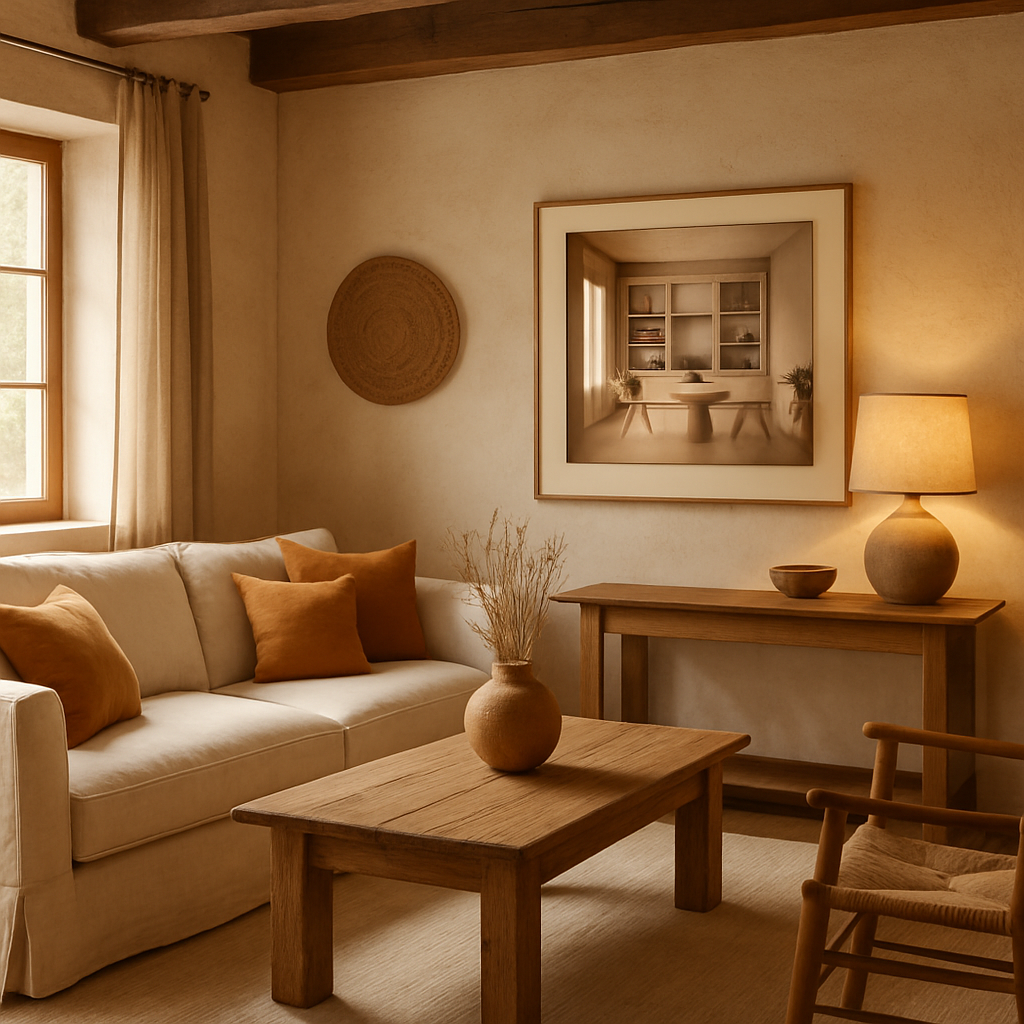
Imagine walking into a room that adapts to your every mood, seamlessly blending aesthetics with functionality. This is not a scene from a science fiction movie but a glimpse into the AI-driven future of home décor. According to a recent survey by Houzz, 45% of homeowners are interested in incorporating smart technology into their interior design plans. This surge in interest underscores a growing trend: artificial intelligence (AI) is reshaping the way we think about and execute interior design. In this article, we will delve into how AI is influencing design processes, explore new trends emerging from this technological revolution, and offer insights into how you can leverage these innovations to enhance your living space.
Understanding AI in Interior Design
At its core, AI in interior design involves the use of advanced algorithms and machine learning to create spaces that are not only aesthetically pleasing but also tailored to individual preferences and needs. This technology can analyze vast amounts of data to predict trends, optimize layouts, and suggest color schemes that align with the latest design principles. For example, platforms like Modsy utilize AI to generate 3D room layouts, allowing users to visualize changes before making any physical adjustments.
One of the foundational concepts behind AI-driven design is its ability to personalize environments. By learning from user interactions and preferences, AI can recommend furniture styles, color palettes, and even art pieces that resonate with the homeowner's style. This level of customization was previously unattainable without significant input from a professional designer. The result is a more efficient design process that saves both time and money.
Moreover, AI is democratizing interior design by making high-quality design accessible to a broader audience. With tools like Planner 5D and HomeByMe, even those without formal design training can create professional-grade layouts. This shift not only empowers individuals to take charge of their home aesthetics but also encourages more innovative and personalized design solutions. As we move forward, the integration of AI in interior design will continue to redefine what is possible, opening new avenues for creativity and expression.
The Impact of AI on Design Trends
AI's influence on interior design is profoundly altering traditional trends. One significant impact is the rise of biophilic design, which emphasizes natural materials and indoor-outdoor flow. According to the American Society of Interior Designers (ASID), biophilic elements can enhance mood and productivity, making them an attractive option for modern homes. AI assists designers by analyzing the optimal placement of plants and natural light to maximize these benefits.
Another trend facilitated by AI is the concept of quiet luxury-subtle elegance that prioritizes quality over ostentation. AI algorithms can help designers identify understated yet luxurious materials that align with this trend, such as reclaimed wood or artisanal textiles. The International Interior Design Association (IIDA) notes that quiet luxury is increasingly popular among clients seeking timeless and sustainable design solutions.
Furthermore, AI is driving the integration of smart home technologies. From automated lighting systems to climate control solutions, AI is enabling homeowners to create environments that adapt to their lifestyles. Industry surveys suggest that homes equipped with these technologies can see a 5-15% increase in resale value, highlighting the financial as well as aesthetic benefits of AI-driven design. As we explore the future of home décor, it's clear that these trends are not only shaping aesthetics but also redefining functionality.
Implementing AI-Driven Strategies in Your Home
Embracing AI in your home design doesn't require a complete overhaul; rather, it can start with small, strategic changes. Begin by identifying areas where AI can enhance functionality, such as lighting and temperature control. Smart lighting systems, like Philips Hue, allow you to adjust the ambiance of a room with a simple voice command or smartphone app. These systems can be integrated into existing setups, providing an immediate upgrade without extensive renovations.
Consider using AI-powered design platforms to experiment with different layouts and styles. Tools such as SketchUp and RoomSketcher offer user-friendly interfaces that enable you to visualize potential changes in real-time. By utilizing these platforms, you can explore a variety of design options before committing to any purchases or structural changes.
Finally, invest in AI-driven furniture and décor. Companies like IKEA are beginning to incorporate AI technology into their product lines, offering pieces that adapt to your space and usage patterns. Smart sofas that adjust firmness based on your seating preferences or tables that expand when needed are just a few examples of how AI can enhance everyday living. By carefully selecting these elements, you can create a home environment that is both innovative and personalized.
Expert Insights on AI in Interior Design
Experienced professionals often note that the true potential of AI in interior design lies in its ability to transform data into meaningful insights. By analyzing patterns in user behavior, designers can create spaces that not only look good but also improve quality of life. The National Council for Interior Design Qualification (NCIDQ) emphasizes the importance of using AI to enhance the functionality of a space rather than just its aesthetics.
Moreover, experts highlight the role of AI in sustainable design practices. By optimizing resource use and reducing waste, AI can contribute to more eco-friendly interior solutions. This is particularly important as consumers become increasingly conscious of their environmental impact. AI's ability to simulate and predict outcomes allows designers to make informed choices that align with sustainability goals.
As AI continues to evolve, its integration into design education and practice is likely to expand. The American Institute of Architects (AIA) is already incorporating AI technology into its training programs, preparing future designers to leverage these tools effectively. For those in the industry, staying updated on AI advancements and their applications will be crucial to maintaining a competitive edge.
Challenges and Considerations in AI-Driven Design
Despite the many benefits, implementing AI in interior design is not without its challenges. One primary concern is data privacy. As AI systems collect and analyze user information, ensuring data security becomes paramount. Designers and homeowners must be aware of how data is being used and take steps to protect their privacy.
Another consideration is the potential loss of human touch in design. While AI can provide valuable insights and efficiencies, it cannot replicate the intuition and creativity that human designers bring to the table. Balancing technology with personal expertise is essential for achieving the best design outcomes. How do you envision blending AI with your personal design style?
Additionally, the cost of implementing AI technologies can be a barrier for some. While prices are expected to decrease as technology becomes more widespread, initial investment costs can be significant. However, the long-term savings and value addition to the home often justify these expenses. By carefully evaluating your budget and priorities, you can make informed decisions about integrating AI into your design plans.
The Future Prospects of AI in Home Décor
Looking ahead, the role of AI in home décor is poised to grow even more substantial. As technology becomes more sophisticated, we can expect AI to offer even greater customization and efficiency. Virtual and augmented reality tools are already being integrated with AI to provide immersive design experiences, allowing clients to visualize spaces in unprecedented detail.
Moreover, as AI algorithms become more adept at learning user preferences, the potential for creating truly personalized environments will expand. This evolution will likely lead to a new era of design where every element of a space is optimized for the individual's needs and lifestyle. Are you ready to embrace these changes and redefine your living space with AI?
Ultimately, the integration of AI in interior design holds immense potential for revolutionizing the industry. By staying informed about these innovations and considering how they can enhance your home, you can be at the forefront of this exciting transformation. The future of home décor is here, and it's powered by AI.
Conclusion
In conclusion, AI-driven interior design is not just a passing trend but a transformative force reshaping the future of home décor. From personalized layouts and smart technologies to sustainable practices, AI offers numerous possibilities for enhancing both the aesthetic and functional aspects of home design. By understanding and embracing these trends, you can create a living space that truly reflects your lifestyle and preferences.
As you explore the potential of AI in your home, consider starting small-experiment with AI design platforms or invest in smart home devices. These initial steps can lead to significant improvements in how you experience your space. Ready to take the plunge? Start by browsing portfolios on Houzz or exploring AI design tools this week. Even just 20 minutes of research can sharpen your eye for what you want and set you on the path to a more intelligent, beautifully designed home.


Comments
Post a Comment