The Future of Home Decor: Embracing AI in Interior Design
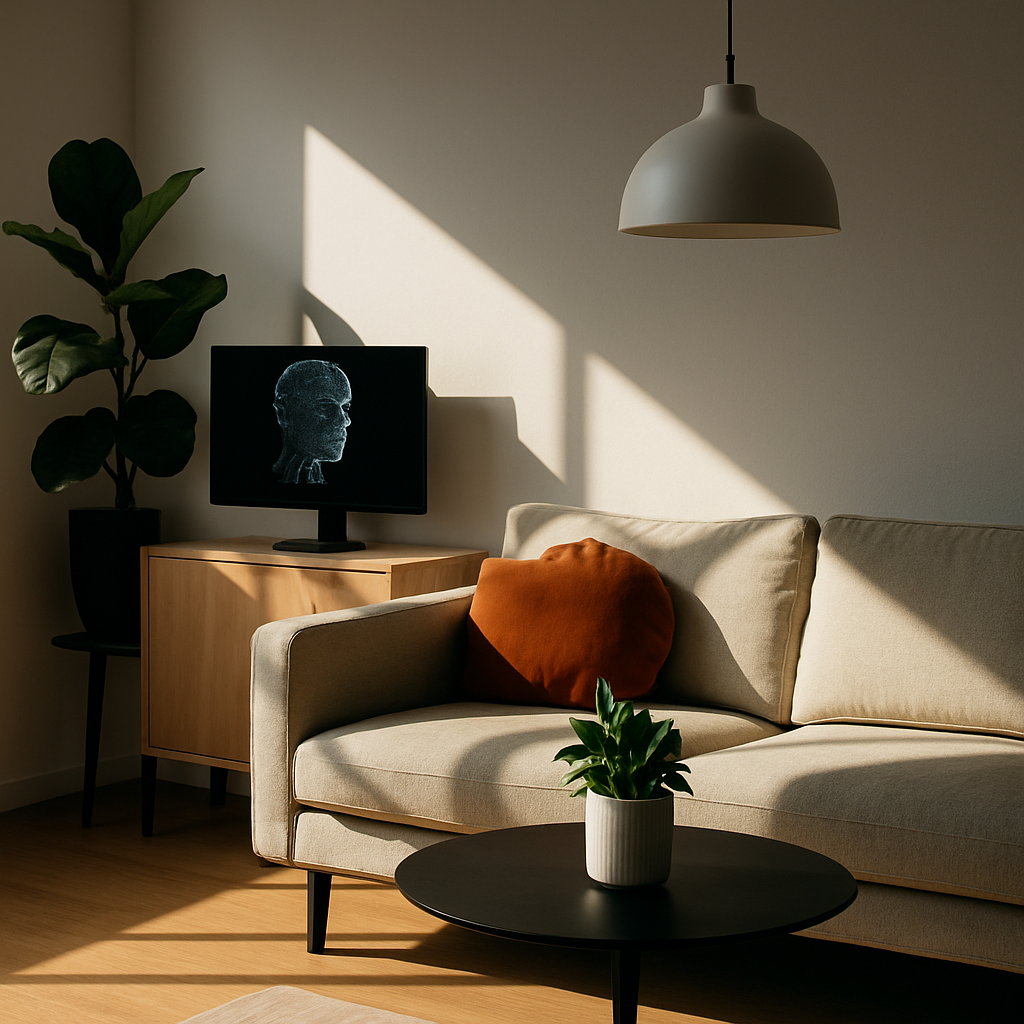
Imagine walking into a room where the lighting automatically adjusts to your mood, the furniture arrangement adapts to your daily activities, and the decor evolves with the seasons - all thanks to artificial intelligence (AI). This isn't a scene from a futuristic movie; it's the evolving reality of interior design. As AI technology advances, it is transforming how we approach home decor, offering unprecedented customization and efficiency. In this article, we'll explore foundational concepts of AI in design, analyze how data enhances our spaces, discuss actionable strategies for integrating AI, and delve into expert insights on leveraging this technology for a harmonious home. Ready to explore how AI can redefine your living space?
Understanding AI in Interior Design
Artificial intelligence in interior design is a blend of machine learning and data analytics that empowers homeowners and designers to create spaces that are not only aesthetically pleasing but also functional and responsive. At its core, AI offers tools that analyze user preferences, spatial data, and design trends to generate personalized decor solutions. One such tool is Modsy, an online interior design service that uses AI to create 3D models of rooms, allowing users to visualize different design options virtually. This technology helps in understanding spatial dynamics and testing various layouts without physically moving furniture.
According to a survey by Houzz, 58% of homeowners are interested in smart home technology, with many willing to invest in AI-driven design tools that enhance their living spaces. The ability to make informed decisions based on AI recommendations is a significant shift in the interior design landscape. It reduces the trial-and-error process traditionally associated with home decor, saving both time and resources. As more people seek efficient and futuristic designs, AI's role in this transition is undeniable.
AI's integration into interior design also democratizes the process, making professional-grade design accessible to a broader audience. The use of AR/VR tools, such as those offered by the NCIDQ (National Council for Interior Design Qualification), allows clients to interact with potential designs in a virtual environment, providing a more immersive experience. This accessibility is transforming how individuals engage with their living spaces, offering a more inclusive approach to design. Understanding these foundational concepts sets the stage for exploring deeper insights into how AI-driven data can enhance your home environment.
Data-Driven Design: Enhancing Your Space
The power of AI in interior design lies in its ability to harness vast amounts of data to optimize space utilization and aesthetic appeal. By analyzing user behavior patterns, AI can suggest decor elements that align with the homeowner's lifestyle and preferences. For instance, platforms like Houzz and Pinterest gather data on user interactions to provide tailored recommendations, ensuring that each design choice resonates personally with the homeowner. This data-driven approach not only enhances visual appeal but also improves functionality.
Consider the integration of smart lighting systems that adjust based on the time of day and user activity. According to the International Interior Design Association (IIDA), 70% of designers report that smart lighting significantly enhances the ambiance and energy efficiency of a home. These systems analyze environmental data to provide optimal lighting conditions, reducing energy consumption and enhancing the user's experience. By leveraging AI, homeowners can create an environment that adapts to their needs, promoting comfort and sustainability.
AI also plays a crucial role in predicting future design trends, allowing homeowners to stay ahead of the curve. Utilizing predictive analytics, platforms like Architectural Digest's AD PRO network can forecast upcoming styles by analyzing global design data. This insight enables homeowners to make informed decisions that keep their spaces timeless and relevant. Understanding the role of data in design not only enhances the visual and functional aspects of your home but also prepares you for the next step: implementing these strategies effectively.
Implementing AI Strategies in Your Home
Ready to bring AI into your home design process? Start by identifying the areas where technology can have the most impact. Smart home devices, like automated window treatments and climate control systems, are excellent starting points. These tools can be programmed to adjust settings based on weather forecasts or daily routines, creating a seamless living experience. Experienced professionals often note that beginning with one or two smart devices allows homeowners to gradually integrate more advanced AI features over time.
For those embarking on a full-home redesign, consider using AI-powered design platforms that offer virtual consultations and 3D visualization. Services like Modsy and Havenly provide interactive design experiences where users can experiment with different styles and layouts before committing. This approach not only enhances creativity but also ensures that the final design aligns closely with the homeowner's vision and lifestyle. Have you explored these platforms to see how they can transform your space?
Moreover, incorporating AI into your design process can significantly impact your home's resale value. Research suggests that well-designed interiors can increase property values by 5-15%. By investing in AI-driven design solutions, homeowners can enhance both their living experience and financial return. As you implement these strategies, consider how each element contributes to a cohesive, intelligent home environment. This foundation will help you explore more specialized, expert-level insights into AI's role in interior design.
Expert Insights: AI's Role in Interior Design
Industry experts highlight that AI's influence in interior design extends beyond individual homes to broader architectural trends. The American Institute of Architects (AIA) notes that AI is increasingly used in urban planning and sustainable building design, underscoring its versatility. This trend reflects a growing awareness of the need for environmentally responsible and adaptable living spaces, where AI plays a pivotal role in resource management and efficiency.
One key area where AI is making strides is in biophilic design, which emphasizes the integration of natural elements into indoor spaces. AI tools can analyze geographic and environmental data to suggest the best plant species and natural materials for specific climates, enhancing the connection between indoor and outdoor environments. This approach not only improves aesthetics but also contributes to well-being by promoting air quality and reducing stress.
Additionally, AI's capacity for continuous learning means that home environments can adapt over time. As AI systems gather more data on user habits and preferences, they can refine their recommendations, ensuring that design solutions remain relevant and effective. This dynamic adaptability is what sets AI apart as a transformative force in interior design. With these insights, you're equipped to delve deeper into the nuanced relationship between technology and decor, exploring additional dimensions where AI can enrich your home.
Expanding Horizons: Additional AI Applications
Beyond personalization and functionality, AI offers innovative solutions that can revolutionize the shopping experience for home decor. Retailers like Wayfair and IKEA have implemented AI-driven augmented reality (AR) features that allow customers to visualize products in their spaces before purchase. This capability reduces uncertainty and enhances decision-making, leading to higher satisfaction and fewer returns.
AI is also playing a pivotal role in sustainable design, helping homeowners make environmentally conscious choices. By analyzing lifecycle data, AI tools can recommend furnishings and materials that minimize environmental impact. This aligns with the growing trend of sustainable and reclaimed materials, which are gaining popularity for their eco-friendly properties and aesthetic appeal.
Moreover, AI's predictive capabilities can assist homeowners in planning for future renovations and upgrades. By forecasting maintenance needs and suggesting proactive measures, AI helps extend the lifespan of home elements, reducing costs and enhancing durability. These applications highlight the multifaceted potential of AI in shaping the future of home decor. As we conclude, consider how these technologies can be integrated into your own design journey, offering a smarter, more sustainable living environment.
Conclusion: The Path Forward with AI in Interior Design
The integration of AI into interior design marks a significant shift towards more personalized, efficient, and sustainable living environments. By understanding foundational AI concepts, leveraging data-driven insights, and implementing strategic applications, homeowners can transform their spaces into dynamic, intelligent havens. Have you considered how AI can elevate your home decor to meet both current needs and future aspirations?
As you explore the potential of AI in your design projects, engage with platforms like Houzz and Architectural Digest to stay informed on the latest innovations and trends. Begin by experimenting with AI design tools, even allocating just a few hours this week to explore virtual consultations or smart home devices. This initial step will sharpen your understanding and appreciation of AI's capabilities. Embrace the future of interior design by incorporating AI into your home, creating a space that evolves with you.


Comments
Post a Comment