The Future of Home Decor: AI Interior Design Trends You Can't Ignore
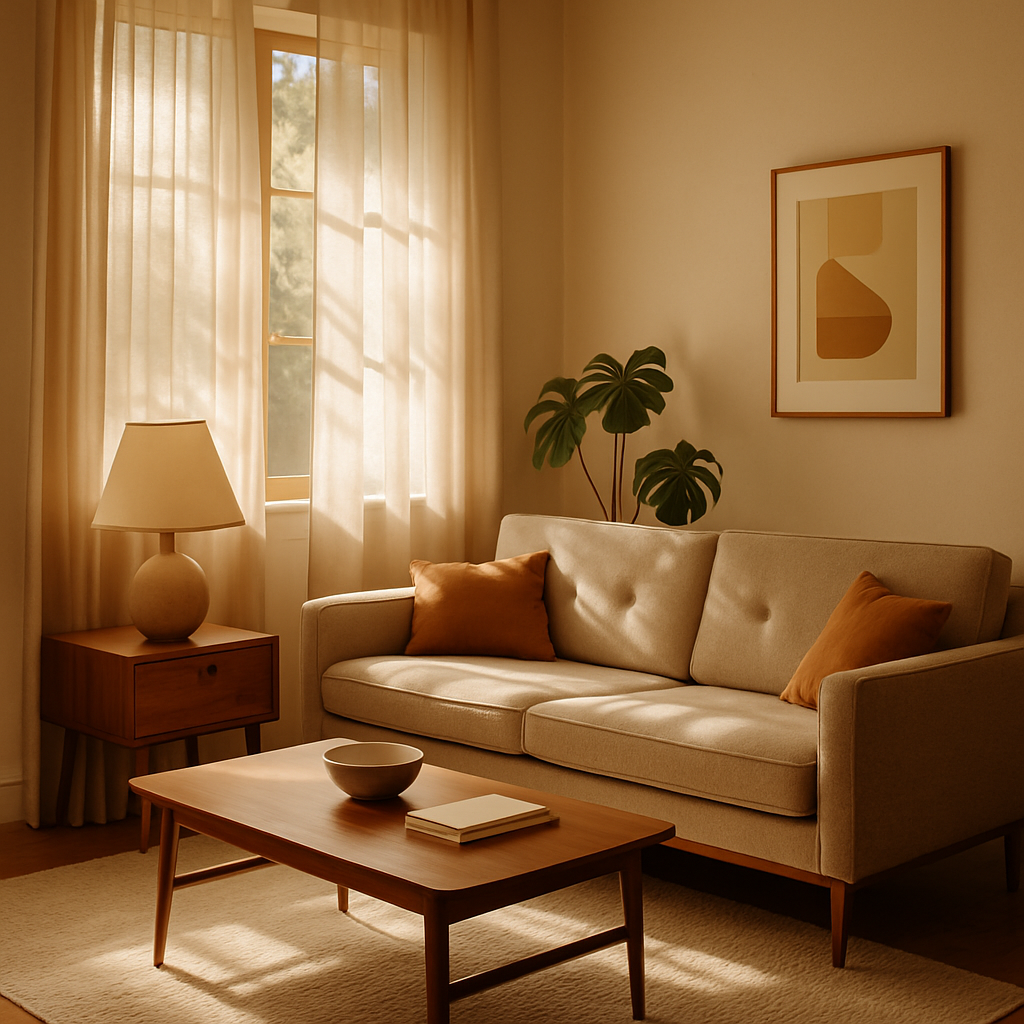
Imagine walking into a room that anticipates your mood, adjusts the lighting, and recommends the perfect color palette-all before you've even said a word. This isn't a scene from a sci-fi movie; it's the future of home decor powered by artificial intelligence (AI). According to a survey by Houzz, tech features in homes are on the rise, with smart integration expected to increase by 20% in the next two years. But how exactly is AI reshaping interior design, and what trends should you be paying attention to? This article explores cutting-edge AI-driven design trends, offers deep industry insights, and equips you with strategies to integrate these innovations into your own space.
The Rise of AI in Interior Design
AI is no longer a futuristic concept exclusive to tech enthusiasts; it's becoming a staple in modern interior design. Advanced algorithms can now analyze a room's dimensions, lighting, and existing decor to suggest optimal layouts and furnishings. For instance, platforms like Modsy and Havenly employ AI tools to provide virtual room designs tailored to individual preferences. This foundational shift allows designers to create more personalized and efficient spaces without the trial-and-error process that traditionally accompanies redesigns.
One of the most significant contributions of AI to interior design is its ability to streamline the initial concept development phase. By using machine learning, AI can assess a client's style preferences through brief questionnaires and visual inputs, then generate mood boards and material suggestions. This technology reduces the time designers spend interpreting client needs, allowing for faster and more accurate design iterations. Have you ever wondered how much more efficient your design process could be with AI assistance?
Furthermore, AI-enriched design tools are democratizing access to professional-level design expertise. Previously, such services were mainly available to clients with hefty budgets. Now, thanks to AI, premium design insights are accessible to a broader audience, making it possible for anyone to achieve a high-end look at a fraction of the traditional cost. This trend is reshaping the industry's landscape, fostering a more inclusive approach to interior design.
Data-Driven Designs: The Impact of AI Analytics
The integration of AI in home decor is not just about aesthetics; it's about leveraging data to create functional spaces that enhance the quality of life. Industry surveys suggest that homes equipped with smart technology can increase in resale value by up to 5-15%. AI analytics play a crucial role in achieving this by providing insights into how occupants use their spaces. By monitoring patterns and preferences, AI can suggest alterations that optimize both space and utility.
For example, AI-powered tools can analyze foot traffic patterns in a home to recommend furniture arrangements that maximize space efficiency and flow. This data-driven approach ensures that every square foot of a home is utilized effectively, a feature particularly valuable in urban settings where space is at a premium. The American Society of Interior Designers (ASID) has noted a growing trend in demand for such smart solutions, especially in densely populated areas.
Moreover, AI's ability to predict design trends based on large datasets allows homeowners to keep their spaces current and appealing. By analyzing social media platforms like Instagram and Pinterest, AI can identify emerging color schemes, textures, and styles, providing designers with a competitive edge. This predictive capability is not just about staying trendy; it's about creating interiors that remain relevant and valuable over time, thus protecting homeowner investments.
Practical Strategies for Incorporating AI in Your Home
Integrating AI into your home decor doesn't have to be daunting. Start by exploring AI design tools that offer virtual room layouts and decor suggestions. Platforms like RoomGPT and Planner 5D allow you to experiment with different design styles using AI-generated 3D models, giving you a visual preview before making any changes. These tools are particularly helpful for those who are visual learners or need to see a concept come to life before committing.
Another practical approach is to incorporate smart home devices that align with your design goals. From AI-driven lighting systems that adjust based on the time of day to smart thermostats that learn your temperature preferences, these devices not only enhance comfort but also contribute to a cohesive design aesthetic. Are you currently using any smart home technology that could be integrated into a broader design strategy?
Finally, consider working with a certified interior designer who is proficient in AI technology. Professionals holding credentials such as NCIDQ (National Council for Interior Design Qualification) are often well-versed in the latest tech trends and can provide customized solutions that align with both your design preferences and lifestyle needs. Engaging with such experts ensures that you fully leverage AI's potential while maintaining a personalized touch in your home decor.
Expert Insights on AI-Driven Design
Experienced professionals often note that AI doesn't replace the designer's intuition but rather enhances their ability to deliver creative solutions. For instance, AI can handle complex calculations and spatial analyses, freeing designers to focus on the artistic and human-centered aspects of their work. This synergy is particularly evident in the concept development phase, where AI tools expedite the ideation process.
The International Interior Design Association (IIDA) emphasizes the importance of collaboration between AI tools and human expertise. According to IIDA, while AI can suggest design elements based on data, it lacks the ability to understand the emotional resonance of a space. This is where a designer's expertise becomes invaluable, blending data-driven insights with a nuanced understanding of human behavior and cultural contexts.
Furthermore, AI's role in sustainable design is gaining traction. Tools that analyze environmental impact and suggest sustainable materials are becoming more prevalent, aligning with the growing demand for eco-friendly design solutions. By recommending reclaimed or local materials, AI helps designers reduce the carbon footprint of their projects, promoting sustainability without compromising on style.
Exploring Additional AI Design Innovations
The scope of AI in interior design continues to expand with innovations such as augmented reality (AR) and virtual reality (VR) tools. These technologies allow clients to virtually walk through their redesigned spaces before any physical changes are made. The immersive experience provided by AR/VR can help clients make more informed decisions, reducing the likelihood of costly alterations post-installation.
Another promising development is AI's ability to enhance smart home integration. Beyond basic functions, AI can now coordinate multiple systems, such as lighting, climate control, and window treatments, to create a seamless and adaptive home environment. This level of integration not only improves comfort and convenience but also supports a cohesive design aesthetic.
Finally, AI's potential in personalizing design experiences is just beginning to be tapped. As AI becomes more adept at understanding individual preferences, it can offer hyper-customized solutions that reflect each homeowner's unique tastes and lifestyle. This personalization extends beyond aesthetics to include functional elements such as ergonomic furniture layouts and accessibility features, ensuring that design is both beautiful and practical.
Final Thoughts on the AI Design Revolution
The marriage of AI and interior design is not just a trend-it's a transformative force that's reshaping how we interact with our living spaces. As AI technologies continue to evolve, they offer unprecedented opportunities for innovation in home decor. Whether you're a design professional or a homeowner, embracing these advancements can significantly enhance your design process and outcomes.
While AI provides powerful tools and insights, the human touch remains irreplaceable. The most successful designs are those that combine the precision of AI with the creativity and empathy of a skilled designer. How might you leverage this synergy to create a space that truly reflects your personality and meets your functional needs?
In conclusion, the future of home decor is bright with the integration of AI. From data-driven insights to personalized design solutions, AI offers a wealth of opportunities to elevate your home environment. Start by exploring AI design platforms or consulting with a tech-savvy designer to see how these innovations can transform your space. Begin your journey by browsing portfolios on Houzz this week-just 20 minutes of research can sharpen your eye for what you truly desire.


Comments
Post a Comment