The Future of Comfort: Integrating Smart Technology into Interior Design
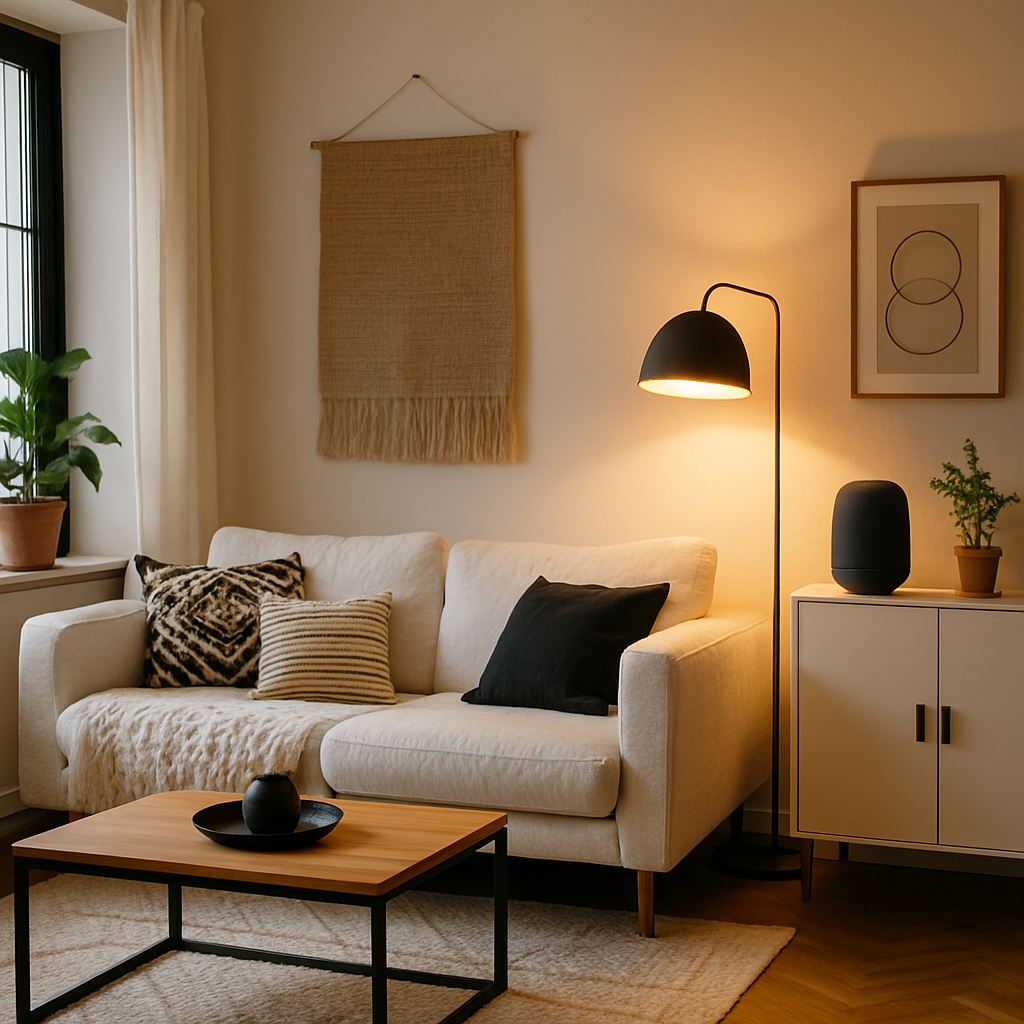
Imagine walking into a room where the lights adjust to your mood, the thermostat optimizes itself according to the weather, and your favorite music starts playing without lifting a finger. This isn't a scene from a sci-fi movie but a reality brought to life by integrating smart technology into interior design. According to the American Institute of Architects (AIA), nearly 70% of homeowners now consider smart home features essential when renovating. This article will explore how the fusion of technology and design can enhance comfort, efficiency, and style in your home. We'll delve into foundational concepts, analyze data-driven insights, offer actionable strategies, and provide expert-level details to guide you toward creating a smarter living space.
Understanding the Foundations of Smart Design
Smart technology in interior design isn't just about adding gadgets; it's about creating a seamless, interconnected environment that responds to your lifestyle. At its core, smart design aims to enhance functionality while maintaining aesthetic appeal. The integration of smart tech can be as simple as automated lighting systems that adjust based on natural light levels or as complex as a fully integrated home automation system coordinating appliances, security, and energy use.
One foundational aspect of smart interior design is the concept of biophilic design, which promotes the use of natural materials and indoor-outdoor flow. According to the International Interior Design Association (IIDA), incorporating elements such as living walls and natural light not only improves aesthetics but also boosts well-being and productivity. Smart technology can enhance these elements by using sensors and automated systems to optimize natural light and air quality.
Moreover, the National Council for Interior Design Qualification (NCIDQ) emphasizes the importance of understanding the client's daily routines and preferences. Certified designers often employ AR/VR room visualization tools to plan smart spaces effectively. These tools allow clients to experience the design before implementation, ensuring that the technology enhances their daily comfort. How do you envision technology transforming your living space?
Analyzing Data: The Impact of Smart Technology on Home Value
Integrating smart technology into your home's design isn't just about convenience; it can also significantly increase property value. Industry surveys, such as those conducted by Houzz, suggest that homes with smart features can sell for up to 10% more than comparable properties without. This increase is largely due to the growing demand for smart home integration, particularly among younger buyers who prioritize technology in their purchasing decisions.
According to the American Society of Interior Designers (ASID), the return on investment for smart systems can vary. Automated lighting and climate control systems are among the most cost-effective upgrades, often recouping their costs within a few years through energy savings. For instance, smart thermostats alone can reduce energy bills by 10-15%, making them a popular choice for eco-conscious homeowners.
The data also shows a trend towards "quiet luxury," where understated elegance meets advanced functionality. This trend prioritizes quality and sustainability over ostentation. Smart home technology fits seamlessly into this trend by offering subtle enhancements that improve daily life without drawing attention to the technology itself. Are you ready to invest in a home that not only meets but anticipates your needs?
Actionable Strategies for Integrating Smart Technology
When planning to integrate smart technology into your home's design, start by mapping out your daily routines and identifying areas where technology can enhance convenience and comfort. Begin with small, manageable upgrades such as smart lighting and thermostats, which can be controlled remotely via smartphone apps. These systems are relatively affordable, with smart bulbs starting around $20 each and thermostats ranging from $100 to $250.
Consider hiring a certified interior designer with NCIDQ credentials to guide you through more complex installations, such as automated window treatments or integrated audio-visual systems. Experienced professionals often note that working with a qualified designer can prevent costly mistakes and ensure that the technology enhances rather than detracts from the overall design.
Additionally, explore sustainable options, such as energy-efficient appliances and solar-powered systems. These not only reduce your carbon footprint but can also qualify you for tax incentives and rebates. Websites like Energy Star offer resources and tools to help you choose the most efficient products for your home. What sustainable smart technology could you incorporate to make your home more environmentally friendly?
Expert Insights on Smart Interior Design
Experienced designers often emphasize the importance of balancing technology with aesthetics. According to Architectural Digest's AD PRO network, the best smart designs are those that integrate technology seamlessly into the decor without compromising on style. This can be achieved by selecting devices with sleek, minimalist designs that complement the room's color palette and texture.
Another key insight is the importance of future-proofing your technology choices. As smart home technology evolves rapidly, choosing systems that allow for easy upgrades and compatibility with new devices is crucial. Platforms like Apple HomeKit and Google Home offer extensive ecosystems that support a wide range of products, providing flexibility as your needs change.
Finally, consider the user experience. The most advanced technology is useless if it's complicated to use. Opt for systems with intuitive interfaces and robust customer support. Many homeowners find value in systems that offer voice control, such as Amazon Alexa or Google Assistant, for their ease of use and integration capabilities. How might voice control enhance your daily routines?
Exploring Additional Dimensions of Smart Design
The integration of smart technology in interior design also opens up new possibilities for personalization. Smart systems can learn your preferences over time, adjusting lighting and climate settings based on your habits. This customization not only enhances comfort but also improves energy efficiency by preventing overuse of resources.
Moreover, the trend towards smart kitchen and bath design is gaining momentum. From refrigerators that alert you when supplies run low to showers that remember your preferred water temperature, these innovations are transforming how we interact with our homes. The National Kitchen & Bath Association (NKBA) reports that demand for smart appliances in these areas has increased by 30% over the past year.
As you explore these technologies, consider how they might align with your lifestyle. Do you prioritize convenience or sustainability? Are you drawn to cutting-edge gadgets or more subtle enhancements? Understanding your priorities will guide you in making informed decisions about which technologies to incorporate into your home.
Final Perspectives on Smart Technology Integration
Integrating smart technology into interior design offers a unique opportunity to enhance both the functionality and enjoyment of your living space. By thoughtfully selecting and implementing these technologies, you can create a home that not only meets your current needs but also adapts to future ones. This adaptability is essential in a world where technology continues to evolve rapidly.
Remember, the goal of smart interior design is to enhance, not overwhelm. Start small, focusing on areas where technology can make the most significant impact, and gradually expand as your comfort and budget allow. By doing so, you'll ensure that your smart home remains a source of comfort and efficiency rather than complication.
As you embark on this journey, consider the role that smart technology can play in your home's transformation. What aspects of your daily life would benefit most from technological enhancements? Your answers will help shape a design that truly reflects your lifestyle and preferences.
Conclusion: Taking the Next Step
Smart technology is revolutionizing interior design, offering unprecedented levels of comfort, convenience, and efficiency. By integrating these technologies thoughtfully, you can create a home that not only meets your immediate needs but also anticipates future ones. Start by exploring designer portfolios on platforms like Houzz and consulting with certified professionals to understand the possibilities.
Consider beginning with a few small upgrades, such as smart lighting or thermostats, to experience the benefits firsthand. As you become more familiar with the technology, you'll be better equipped to make informed decisions about more extensive integrations. Start by browsing portfolios on Houzz this week - even 20 minutes of research will sharpen your eye for what you want. Ready to transform your space?



Comments
Post a Comment