Luxury Interior Design on a Budget: Tips for Affordable Elegance
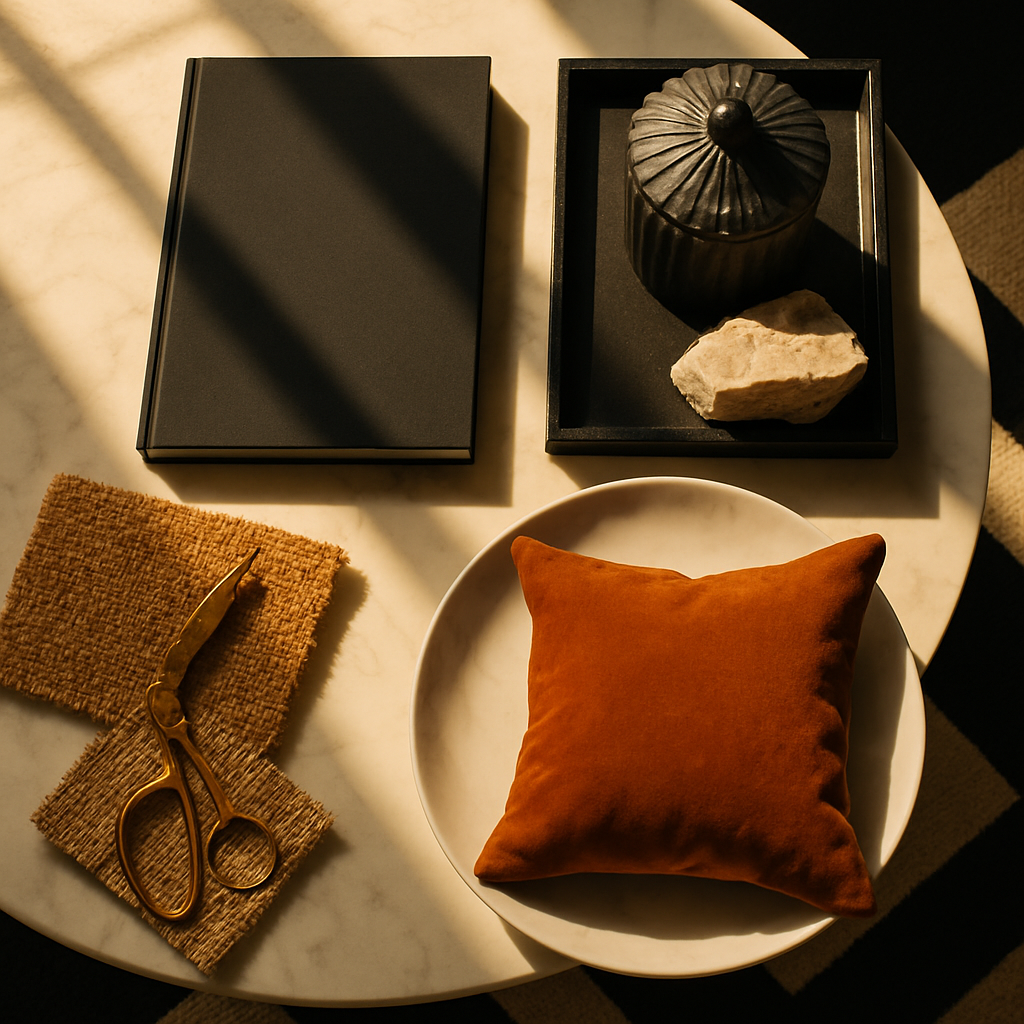
Imagine walking into a room that exudes luxury and elegance, yet knowing you didn't break the bank to achieve it. According to the Houzz annual survey, many homeowners seek to enhance their interiors affordably, with over 60% of respondents prioritizing budget-friendly projects. This raises the question: how can luxury interior design be accessible to those without limitless resources? In this article, we'll explore strategies and tips to incorporate luxury elements into your home while maintaining a budget. From understanding foundational design principles to implementing expert-level details, you'll learn how to transform your space into a haven of affordable elegance.
Understanding the Foundations of Luxury Design
Luxury interior design is often defined by its attention to detail, quality materials, and cohesive aesthetics. At its core, luxury is less about opulence and more about creating a space that feels both inviting and sophisticated. Experienced professionals often note that the foundation of luxury design lies in understanding spatial harmony and balance. This means considering how furniture, lighting, and decor interact within a room to create a holistic environment.
To achieve this, start by mapping out how you use each room. Identify key areas where functionality meets style-where you entertain guests, unwind after a long day, or enjoy family meals. This practical approach ensures that your design efforts enhance daily living while maintaining a luxurious feel. Incorporating elements such as ambient lighting and plush textiles can elevate the mood without exorbitant costs.
Moreover, selecting a color palette that exudes calmness and sophistication can set the tone for luxury. Neutral shades, accented with rich textures and metallic finishes, create a timeless and elegant atmosphere. By focusing on these foundational concepts, you lay the groundwork for a space that speaks to luxury without exceeding your budget.
The Role of Data and Analysis in Budget Design
Understanding the economics of interior design can significantly impact your budget. According to the American Society of Interior Designers (ASID), well-designed interiors can increase a home's resale value by 5-15%. This statistic underscores the importance of strategic investment in key areas that yield high returns. But how do you decide where to spend and where to save?
Data suggests focusing on high-impact areas like kitchens and bathrooms, where upgrades can substantially boost property value. For instance, investing in quality fixtures and finishes can transform these spaces into luxurious retreats. By prioritizing these areas, you ensure that your budget is allocated to the elements that matter most.
Another aspect to consider is the cost of professional help. While certified interior designers often charge a premium, decorators without formal certification can offer more budget-friendly services. Industry surveys suggest that hourly rates for decorators range from $150-$500, depending on experience and location. Balancing professional expertise with DIY efforts can help maximize your budget while achieving a luxurious look.
Actionable Strategies for Affordable Elegance
When it comes to incorporating luxury into your design, there are several actionable strategies to consider. First, focus on statement pieces that draw attention and set the tone for the room. A well-chosen piece of art or a vintage rug can serve as a focal point, elevating the overall aesthetic without requiring a full redesign.
Another strategy involves the use of smart home technology, which is becoming increasingly accessible. Automated lighting, climate control, and window treatments not only offer convenience but also contribute to a modern, luxurious feel. Many of these technologies are available at various price points, allowing you to find options that fit your budget.
Lastly, consider the benefits of sustainable and reclaimed materials. Incorporating these elements into your design not only supports eco-friendly practices but also adds unique character to your space. For example, using reclaimed wood for shelving or a table can introduce warmth and history, aligning with the current trend of biophilic design. By integrating these strategies, you can achieve an elegant look that respects both your budget and the environment.
Expert-Level Details for a Luxurious Finish
To truly capture the essence of luxury, attention to detail is paramount. Experts from the NCIDQ (National Council for Interior Design Qualification) emphasize the importance of textiles in elevating interior spaces. Incorporating high-quality fabrics such as silk, velvet, or cashmere can add a layer of sophistication and comfort to any room. Consider using these materials for curtains, cushions, or upholstery to create a tactile experience that exudes luxury.
Lighting is another crucial element in luxury design. Opt for layered lighting solutions, including ambient, task, and accent lighting, to enhance the atmosphere and functionality of your spaces. Chandeliers or pendant lights can serve as eye-catching features, while strategically placed table lamps add warmth and depth. According to the IIDA (International Interior Design Association), lighting plays a significant role in setting the mood and highlighting architectural features.
Finishing touches such as hardware and accessories also contribute to the overall luxury feel. Swapping out standard handles and knobs for those with a polished finish or unique design can make a surprising difference. Similarly, incorporating metallic accents through mirrors, picture frames, or decorative objects can add a touch of glamour. Focusing on these expert-level details ensures that your space feels complete and luxurious, even on a budget.
Incorporating 2026 Design Trends
Staying current with design trends doesn't have to disrupt your budget. The 2026 trend of Japandi-an amalgamation of Japanese minimalism and Scandinavian warmth-offers a perfect blend of style and simplicity. This trend emphasizes clean lines, neutral tones, and natural materials, creating a serene and luxurious environment. Implementing these elements can refresh your space without extensive renovations.
Biophilic design, another popular trend, focuses on integrating natural elements into interior spaces. Consider adding living walls, indoor plants, or natural stone finishes to bring the outside in. These features not only enhance aesthetic appeal but also promote well-being. According to ASID research, environments that incorporate natural elements can improve mood and productivity.
Finally, consider using AR/VR room visualization tools to experiment with design ideas before committing to a purchase. Platforms like Houzz offer virtual tools that allow you to visualize furniture and decor in your space, helping you make informed decisions. By embracing these trends and technologies, you can maintain a stylish and luxurious home while adhering to your budget.
Final Perspectives on Budget Luxury
Achieving luxury interior design on a budget requires a thoughtful approach that balances aesthetics, functionality, and cost. By understanding the foundational principles of design, analyzing where to invest for maximum impact, and implementing strategic, cost-effective solutions, you can transform your space into a reflection of affordable elegance.
It is essential to remember that luxury is not about excess but about the thoughtful curation of elements that bring joy and comfort. So, what aspect of your home would you most like to elevate? By focusing on the areas that matter most to you, you can create a space that feels both luxurious and personal.
As you embark on your design journey, consider how the strategies and trends discussed can be applied to your unique space. Each decision you make brings you closer to achieving the perfect balance of luxury and budget-consciousness.
Conclusion
In summary, luxury interior design on a budget is attainable with the right knowledge and approach. By integrating foundational design principles, leveraging data, and adopting modern trends and technologies, you can craft a space that speaks to elegance without financial strain. As you move forward, consider starting with a small project-perhaps updating a single room with a few key elements. Start by browsing portfolios on Houzz this week-even 20 minutes of research will sharpen your eye for what you want. With these insights, you're well-equipped to transform your home into a luxurious retreat that fits your budget and reflects your style.



Comments
Post a Comment