The Art of Interior Design: Transforming Spaces into Personal Sanctuaries
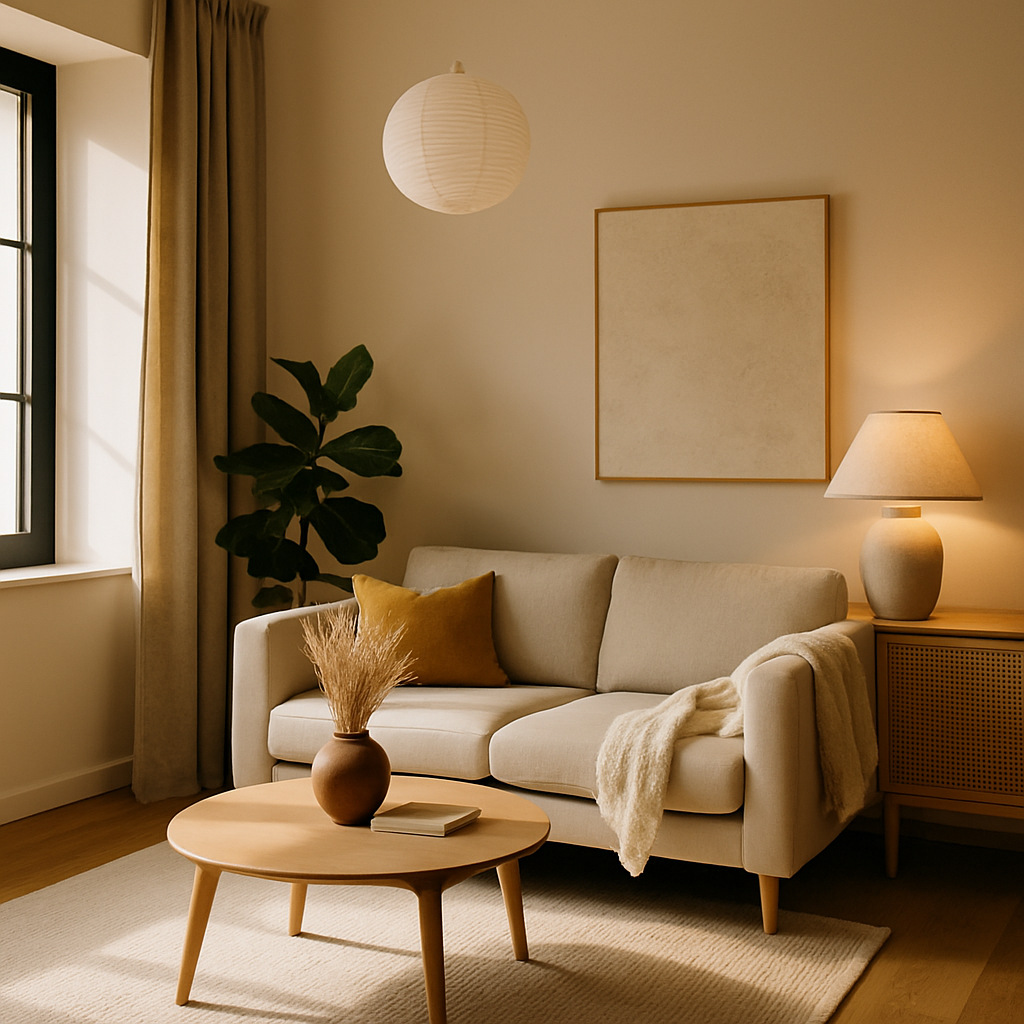
Imagine walking into a room that immediately feels like home, perfectly reflecting your personality and lifestyle. According to the American Society of Interior Designers (ASID), well-designed interiors can increase a home's resale value by 5-15%. This statistic underscores the profound impact that thoughtful interior design can have, not just on aesthetics, but also on financial metrics. In this exploration of the art of interior design, we will delve into foundational concepts, analyze current trends with supporting data, offer actionable strategies for personalizing your space, and provide expert insights from industry leaders. Whether you're redesigning a single room or an entire home, understanding these principles can transform your living spaces into personal sanctuaries.
Understanding Foundational Concepts in Interior Design
At the heart of interior design is the ability to marry functionality with aesthetics. This begins with understanding the primary use of a space and tailoring the design to enhance its purpose. For instance, in a living room, comfort and social interaction are key. This means choosing furniture that promotes relaxation and facilitates conversation. Experienced professionals often note that the arrangement of furniture can dramatically influence the flow and feel of a space, making it crucial to plan layouts thoughtfully.
Another foundational aspect is the choice of color palettes, which can set the mood and influence emotions. Warm colors tend to energize and stimulate, while cool colors can create a calming environment. The International Interior Design Association (IIDA) emphasizes the importance of color psychology in design, as it affects not only the ambiance but also the perceived size of a room. Do you find yourself gravitating towards certain colors when entering different spaces? This natural inclination can guide your design choices.
Lighting is another critical element that can transform a room from ordinary to extraordinary. The integration of natural light with artificial lighting creates a balanced atmosphere. AIA chapters often recommend layered lighting, which includes ambient, task, and accent lighting to cater to different needs and times of day. As we progress, we'll explore how these foundational concepts are applied in current design trends and best practices.
Exploring Current Trends in Interior Design
In recent years, several key trends have shaped the landscape of interior design. Biophilic design, which incorporates natural elements into interiors, is gaining momentum. This approach not only enhances aesthetic appeal but also promotes well-being by connecting inhabitants with nature. According to Houzz's annual survey, homeowners are increasingly investing in biophilic elements like living walls and indoor plants to create healthier, more inviting environments.
Another trend is the rise of quiet luxury and understated elegance. This design philosophy focuses on high-quality materials and subtle sophistication, steering away from overt opulence. The trend is characterized by neutral color palettes, plush textiles, and bespoke furniture. It's about creating spaces that feel luxurious through simplicity and attention to detail, rather than through excessive ornamentation.
Smart home integration is also transforming interior design. Automated lighting, climate control, and smart window treatments are becoming standard features in modern homes. These technologies offer convenience and efficiency, allowing for personalized control over the environment. As we delve deeper, we'll discuss how these trends can be tailored to create personalized sanctuaries that reflect individual lifestyles and preferences.
Actionable Strategies for Personalizing Your Space
Personalizing your space begins with identifying your priorities and lifestyle needs. Start by mapping out how you use each room: where do you relax, work, and entertain? This practical assessment guides your design decisions, ensuring the space functions effectively for your daily life. For example, if you work from home, a dedicated office space with ergonomic furniture may be essential.
Next, consider incorporating elements that reflect your personality and interests. This could be through artwork, travel mementos, or heirloom pieces. Such personal touches not only add character but also create a sense of ownership and connection with your space. Experienced designers often recommend starting with a single statement piece and building the room's design around it.
Budgeting is also a crucial aspect of personalizing interiors. Whether your budget is $5,000 for a room or $50,000 for a home, prioritizing expenditures can maximize impact. Consider investing in key pieces like sofas and dining tables which are often used and seen. As we explore further, we'll delve into expert-level details on how to effectively manage these aspects to create a cohesive and personalized environment.
Expert-Level Details in Interior Design
Engaging with certified interior designers can elevate your project to a professional level. Designers with NCIDQ (National Council for Interior Design Qualification) credentials bring a wealth of expertise, ensuring that your design not only looks great but also meets all functional and safety standards. They can also navigate complex challenges such as space planning and selection of sustainable materials.
Fee structures for hiring designers vary, often including flat fees, hourly rates, or a percentage of the total project cost. According to industry standards, hourly rates can range from $150 to $500, depending on the designer's experience and location. Understanding these structures can help you budget effectively and avoid unexpected costs.
Another advanced consideration is the use of AR/VR tools for room visualization. These technologies allow you to see potential designs in 3D, making it easier to make informed decisions about layouts and materials before committing. This approach not only minimizes costly mistakes but also provides a clear vision of the final outcome. As we continue, we'll dive into additional depth, offering more insights into mastering the art of interior design.
Additional Depth: Balancing Trends and Timelessness
While trends offer fresh inspiration, it's important to balance them with timeless elements to ensure longevity in your design. Incorporating classic pieces or neutral bases allows for flexibility as trends evolve. How can you integrate current trends without compromising on timeless appeal? Consider using trendy elements in accessories that are easy to update, such as cushions or rugs, rather than in main furniture pieces.
Moreover, sustainable and reclaimed materials are becoming increasingly popular as homeowners seek eco-friendly options. This not only supports environmental efforts but also adds unique character to spaces. Architectural Digest's AD PRO network highlights that using reclaimed wood or repurposed items can create one-of-a-kind features that tell a story.
Finally, collaborating with local artisans can add a personalized touch and support community talent. Custom-made items, whether it's a handcrafted coffee table or bespoke lighting fixtures, can serve as focal points that reflect individual style. As we conclude, we'll synthesize these insights to help you apply them effectively in your projects.
Final Perspectives on Interior Design
As you embark on your journey to transform your spaces into personal sanctuaries, remember that the art of interior design is as much about understanding yourself as it is about understanding space. By combining foundational concepts with current trends and personal touches, you can create environments that are not only aesthetically pleasing but also deeply personal.
Whether you're tackling a single room or an entire home, the key is to remain flexible and open to inspiration. Engage with design communities like Houzz or Pinterest to gather ideas and see how others have successfully blended trends with timeless elements. How will you ensure your design remains adaptable over time? Using these platforms can provide fresh perspectives and keep your creativity flowing.
Conclusion
In conclusion, transforming spaces into personal sanctuaries through the art of interior design is an enriching endeavor that combines creativity with strategy. By understanding foundational principles, staying informed on current trends, and personalizing with intention, you can craft spaces that truly reflect who you are. Ready to start your design journey? Begin by exploring portfolios on Houzz or Instagram this week - even a short amount of dedicated research can clarify what resonates with you.
Remember, investing in your environment is investing in your well-being. Take the first step today, and watch as your living spaces transform into a reflection of your unique vision and lifestyle.



Comments
Post a Comment