The Allure of Victorian Interior Design: Key Elements for a Timeless Look
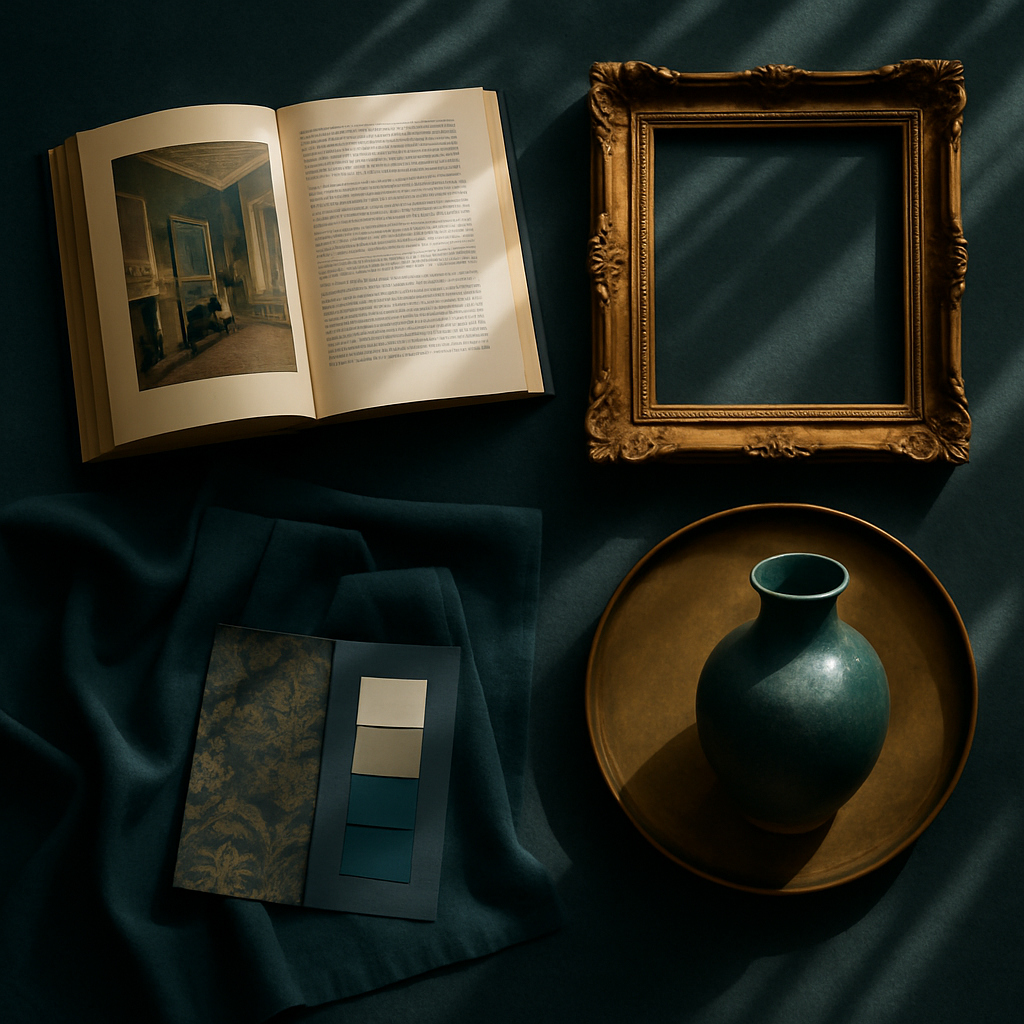
Step into a room adorned with the opulence of the Victorian era, and you're transported to a world where every detail tells a story. Victorian interior design, characterized by its intricate patterns, luxurious fabrics, and ornate furniture, continues to captivate enthusiasts and designers alike. But what makes this style so enduring? The allure lies in its rich textures and elaborate aesthetics that offer a comforting yet sophisticated ambiance. In this article, we'll delve into the foundational elements of Victorian design, explore its timeless appeal through detailed analysis, and provide actionable strategies for incorporating these elements into your home. We'll also offer expert insights and additional depth to help you achieve a space that resonates with timeless elegance.
Foundational Concepts of Victorian Design
Victorian interior design emerged during the reign of Queen Victoria from 1837 to 1901, a period marked by industrial progress and colonial expansion. This era's design reflects a blend of influences, including Gothic, Rococo, and Oriental styles, resulting in a unique and eclectic aesthetic. At its core, Victorian design is about opulence and detail. Homes from this period feature intricate woodwork, heavy drapery, and an abundance of decorative elements.
One of the hallmarks of Victorian design is the use of rich, dark colors such as deep reds, dark greens, and purples, often complemented by gold or brass accents. These colors create a sense of warmth and luxury, perfectly suited for the ornate furnishings typical of the time. Patterned wallpapers, particularly those with floral or damask designs, are another staple, adding layers of texture and interest to the walls.
Another key element is the furniture, often made from heavy woods like mahogany or oak. Pieces are typically embellished with intricate carvings and upholstered in plush fabrics such as velvet or brocade. The aim is to create a space that feels both sumptuous and inviting. As you consider incorporating Victorian elements into your home, think about how these foundational concepts can be adapted to modern living. What elements resonate with your personal style?
Deeper Analysis: The Timeless Appeal
Why does Victorian design continue to capture the imagination of so many? Part of its timeless appeal lies in its ability to evoke a sense of nostalgia and grandeur. According to Houzz, a leading platform for home design, Victorian-style rooms can enhance the perceived value of a home, as their intricate details and craftsmanship are often viewed as a testament to quality and attention to detail.
Data from the National Association of Realtors suggests that homes featuring well-preserved or tastefully integrated Victorian elements can see a resale value increase of up to 15%. This statistic underscores the idea that Victorian design not only offers aesthetic pleasure but also serves as a smart investment. Moreover, the versatility of Victorian elements allows them to be integrated into various design styles, from traditional to contemporary, making them a favorite among interior designers.
Experienced professionals often note that the Victorian style's appeal is further enhanced by its adaptability. You don't need to commit to a full Victorian overhaul; instead, carefully selected elements, such as a vintage chandelier or an ornate mirror, can complement modern furnishings while adding a touch of historical charm. As you plan your space, consider which elements will best enhance your home's character while aligning with your lifestyle needs.
Actionable Strategies for Incorporating Victorian Elements
Ready to bring a touch of Victorian elegance into your home? Start by evaluating your existing space and identifying areas where Victorian elements could enhance the overall design. One effective strategy is to focus on key pieces that define the era, such as a statement chandelier or an intricately carved wood piece. These elements can serve as focal points that draw the eye and set the tone for the room.
Wallpaper is another powerful tool in the Victorian arsenal. Consider using a rich damask or floral pattern to create an accent wall or to envelop an entire room. This approach not only adds visual interest but also serves as a backdrop for other Victorian-inspired pieces. If you're concerned about overwhelming a space, opt for lighter colors or smaller patterns to maintain balance.
Don't overlook the power of textiles. Victorian design is synonymous with luxurious fabrics, so incorporate velvet, brocade, or silk through curtains, upholstery, and throw pillows. These materials add texture and depth, creating a cozy yet sophisticated atmosphere. As you integrate these elements, remember to maintain a cohesive color palette to ensure harmony throughout your space. What Victorian elements are you most excited to incorporate?
Expert-Level Detail: Navigating Victorian Design with Precision
For those seeking to dive deeper into Victorian design, understanding the historical context can provide valuable insights into making authentic choices. The Victorian era was a time of experimentation and innovation, which is reflected in the wide variety of materials and techniques used. When selecting furnishings, look for pieces that reflect the craftsmanship of the time, such as hand-carved wood or intricate metalwork.
The International Interior Design Association (IIDA) emphasizes the importance of balance when incorporating historical elements into a modern context. While it's easy to get carried away with ornate details, maintaining a sense of proportion is crucial. Experienced designers often recommend mixing Victorian elements with more contemporary pieces to create a dynamic and livable space.
Lighting plays a significant role in Victorian design, with gas lamps and chandeliers being iconic fixtures of the era. Today, you can achieve a similar ambiance with modern reproductions that offer the same intricate designs and warm glow. Consider incorporating dimmable lighting to emulate the soft, atmospheric feel of a Victorian interior. As you refine your design, think about how each element contributes to the overall narrative of your space.
Additional Depth: Beyond the Basics
As you delve further into Victorian design, consider exploring the cultural influences that shaped the style. The era was marked by a fascination with the exotic, which is evident in the use of Oriental rugs, Asian-inspired ceramics, and Indian motifs. Incorporating these elements can add a layer of complexity and intrigue to your design.
For those interested in sustainability, Victorian design offers opportunities to incorporate reclaimed materials and vintage pieces. Many furniture items from this era are still available in antique shops or online marketplaces, offering a sustainable option that reduces the need for new production. Look for pieces with a history, as these can add authenticity and character to your space.
Finally, take advantage of modern technology to visualize your design. Augmented reality (AR) and virtual reality (VR) tools are increasingly used by interior designers to help clients see how Victorian elements will look in their homes. These tools can provide a realistic preview, allowing you to make informed decisions before committing to any purchase. What cultural influences or sustainable practices will you incorporate into your Victorian-inspired design?
Final Perspectives on Victorian Interior Design
Victorian interior design offers a timeless appeal that resonates with both history enthusiasts and modern homeowners. Its rich textures, ornate details, and luxurious materials create spaces that are as inviting as they are elegant. By understanding the foundational concepts and exploring the deeper nuances of the style, you can create a home that pays homage to the past while embracing the present.
Incorporating Victorian elements doesn't require a full overhaul. With careful selection and thoughtful integration, you can enhance your space with pieces that offer both beauty and historical significance. Whether you're drawn to the ornate woodwork or the plush textiles, there's a place for Victorian design in today's homes.
As you consider your design choices, remember that the most successful interiors are those that reflect your personal taste and lifestyle. By drawing inspiration from the Victorian era and adapting it to your modern needs, you can create a space that is uniquely yours. Ready to start your Victorian-inspired journey?
Conclusion: Bringing Victorian Elegance into Your Home
Victorian interior design holds a timeless allure that continues to captivate homeowners and designers. By incorporating key elements such as intricate patterns, luxurious fabrics, and ornate furnishings, you can create a space that resonates with both historical charm and modern sophistication. Whether you're looking to add a single statement piece or undertake a more comprehensive redesign, the strategies and insights shared in this article can guide you in achieving a cohesive Victorian-inspired look.
As you embark on your design journey, consider browsing designer portfolios on platforms like Houzz or exploring Instagram and Pinterest for inspiration. Even a brief session of research can offer new ideas and clarify your vision. Start by selecting a few Victorian elements that speak to you and experiment with how they integrate into your existing space. The result will be a home that reflects your love for timeless elegance and personal style.


Comments
Post a Comment