Sustainable Style: How to Incorporate Eco-Friendly Elements in Interior Design
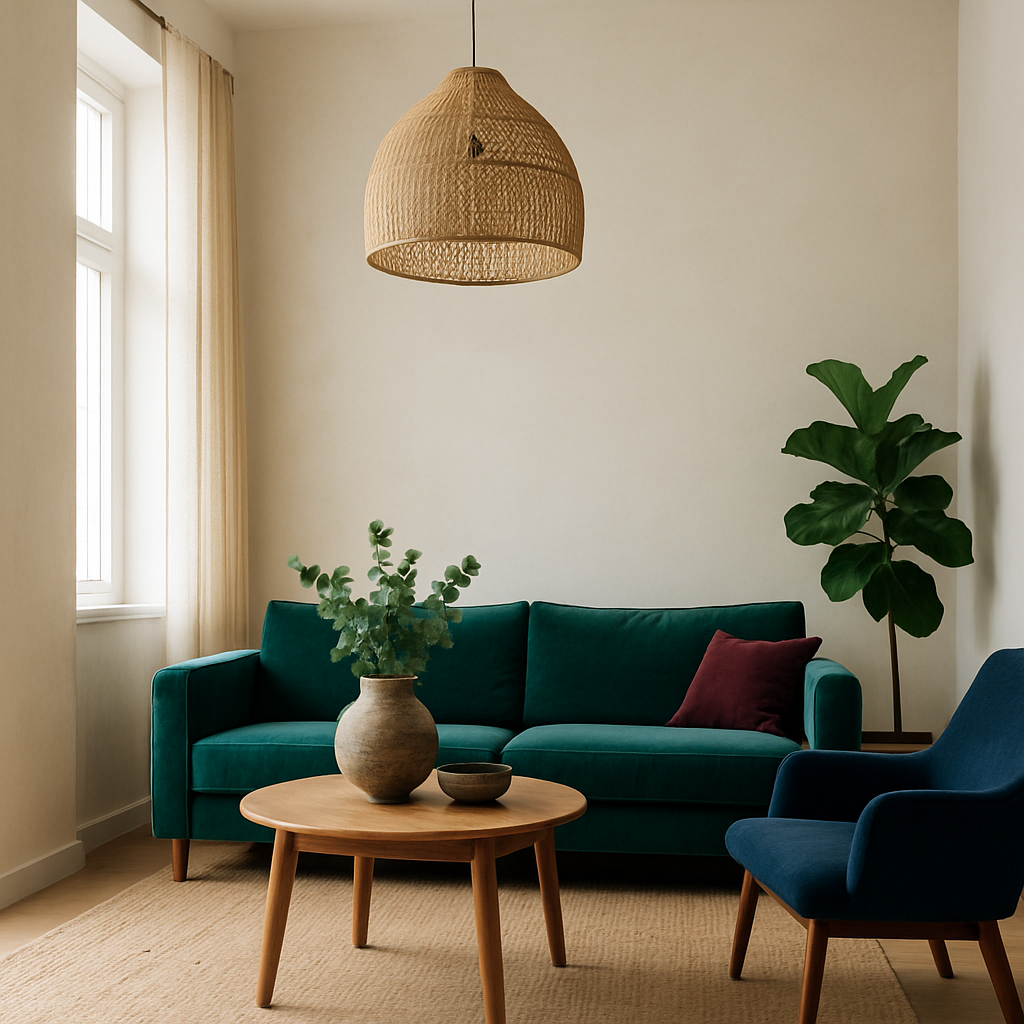
Have you ever considered the impact your home has on the environment? As the world becomes increasingly aware of climate change, more homeowners are seeking ways to reduce their carbon footprint. This trend is reflected in the rising popularity of sustainable style in interior design. According to a recent survey by Houzz, nearly 50% of homeowners consider sustainability a key factor in their renovation projects. This article will guide you through foundational concepts, actionable strategies, and expert insights on incorporating eco-friendly elements into your home. We'll explore everything from material choices to design techniques that promote sustainability, ensuring your home is both stylish and environmentally responsible.
Understanding the Basics of Sustainable Style
At its core, sustainable style in interior design focuses on creating spaces that are both aesthetically pleasing and environmentally responsible. This means using resources more efficiently, reducing waste, and selecting materials that have minimal impact on the environment. The first step towards sustainable style is understanding the difference between eco-friendly and traditional materials. For example, bamboo and cork are rapidly renewable resources that are often used as alternatives to hardwood and synthetic flooring options. Not only are these materials sustainable, but they also add unique textures and warmth to your home.
Incorporating sustainable style goes beyond material selection. It's also about embracing design principles that reduce energy consumption. This can include maximizing natural light through strategic window placement and using energy-efficient lighting and appliances. According to the American Institute of Architects (AIA), homes designed with energy efficiency in mind can reduce energy consumption by up to 30%. This not only benefits the environment but can also lead to significant cost savings on utility bills.
Moreover, sustainable style often incorporates elements of biophilic design, which emphasizes the connection between indoor spaces and the natural world. This can include using natural materials, creating indoor gardens, or designing spaces that blend seamlessly with outdoor environments. Adopting these principles not only enhances the aesthetic appeal of your home but can also improve your well-being by creating a calming, nature-inspired atmosphere. As we move forward, we'll delve deeper into specific strategies and data-driven insights that will help you implement these concepts effectively.
The Impact of Sustainable Design Choices
When it comes to sustainable style, choosing the right materials can have a profound impact on the environment. According to the United States Environmental Protection Agency (EPA), construction and demolition debris account for over 600 million tons of waste annually. By opting for reclaimed or recycled materials, you can significantly reduce this waste. For instance, reclaimed wood not only adds character and history to your space but also prevents the need for new lumber, thereby conserving forests.
Moreover, the energy savings from sustainable design choices are substantial. The U.S. Department of Energy reports that homes using energy-efficient appliances can save up to 30% on energy costs. This is not only cost-effective but also reduces the demand for fossil fuels, lowering your home's carbon footprint. Furthermore, using low-VOC (volatile organic compounds) paints and finishes can improve indoor air quality, making your home healthier and safer for your family.
Experienced professionals often note that integrating smart home technologies can further enhance the sustainability of your design. Smart thermostats, for example, can optimize heating and cooling schedules based on your habits, reducing energy waste. In addition, automated window treatments can help regulate indoor temperatures by adjusting to the sun's position, providing both comfort and energy savings. As you consider these options, think about how these innovative solutions can be tailored to meet the specific needs of your home.
Actionable Strategies for Sustainable Design
Ready to transform your home with sustainable style? Start by conducting a thorough evaluation of your current space. Identify areas where you can incorporate eco-friendly materials and energy-efficient solutions. For instance, consider replacing old appliances with ENERGY STAR-rated models, which are designed to use less energy without sacrificing performance. Additionally, swap out traditional incandescent bulbs for LED alternatives, which last longer and consume significantly less energy.
Another effective strategy is to incorporate natural elements into your design. This could be as simple as placing potted plants throughout your home, which not only improve air quality but also introduce a sense of serenity. Alternatively, consider larger projects like installing a living wall, which can serve as a striking focal point while enhancing indoor air quality. As you explore these options, remember that even small changes can make a big difference in creating a sustainable home.
When planning your design, think about how you can maximize the use of natural light. Arrange your furniture to make the most of available sunlight, and incorporate mirrors to reflect light and create the illusion of a larger space. By doing so, you can reduce your reliance on artificial lighting during the day. As you implement these strategies, consider how each decision contributes to the overall sustainability of your home, both in terms of environmental impact and personal well-being.
Expert Insights on Eco-Friendly Interior Design
To gain a deeper understanding of sustainable style, it's helpful to consider the perspectives of certified interior designers. According to professionals with NCIDQ (National Council for Interior Design Qualification) credentials, a key aspect of eco-friendly design is considering the lifecycle of materials. This means evaluating the environmental impact of a material from production to disposal. For example, wool carpets are not only biodegradable but also naturally resistant to stains and wear, making them a durable and sustainable choice.
Another insight from industry experts is the importance of sourcing local materials. By choosing locally produced goods, you reduce transportation emissions and support local economies. This approach aligns with the principles of sustainability, as it minimizes the carbon footprint associated with transporting materials over long distances. Additionally, local artisans often use traditional methods that are less resource-intensive than mass production techniques, further enhancing the eco-friendliness of your design.
Professionals also emphasize the role of education in sustainable design. By staying informed about the latest trends and technologies, you can make more informed decisions that align with your sustainability goals. For instance, platforms like ASID (American Society of Interior Designers) and IIDA (International Interior Design Association) offer resources and courses on sustainable design practices. By engaging with these organizations, you can stay ahead of the curve and ensure your home reflects the latest in eco-friendly design innovations.
Further Exploring Sustainable Design Techniques
As you delve deeper into sustainable style, consider exploring advanced techniques that can enhance the eco-friendliness of your home. One such approach is passive solar design, which involves strategically placing windows and thermal mass to naturally regulate indoor temperatures. This technique reduces the need for artificial heating and cooling, thereby conserving energy. Additionally, implementing rainwater harvesting systems can provide an eco-friendly source of water for landscaping and other non-potable uses.
Another innovative technique is the use of modular furniture, which is designed to be flexible and adaptable to changing needs. This not only reduces the need for new furniture purchases but also allows for more efficient use of space. By choosing pieces made from sustainable materials, such as FSC (Forest Stewardship Council) certified wood, you can further enhance the environmental benefits of your design. Consider how these techniques can be integrated into your existing space, offering both functionality and sustainability.
Finally, think about the role of technology in sustainable design. Augmented reality (AR) and virtual reality (VR) tools are increasingly being used by designers to visualize and test design concepts before implementation. These tools allow you to experiment with different layouts and materials without the waste associated with physical prototypes. As you explore these technologies, consider how they can aid in achieving your sustainability goals while providing a unique and engaging design experience.
Reflecting on the Future of Sustainable Style
As sustainable style continues to evolve, it's clear that eco-friendly design is more than just a trend-it's a necessity. The integration of sustainable practices in interior design not only benefits the environment but also enhances the quality of life for homeowners. By prioritizing sustainability, you're making a conscious decision to invest in a healthier, more responsible future for both your home and the planet. Have you identified the first steps you can take to incorporate sustainable elements into your design?
Reflect on the changes you've already made and consider where you can continue to improve. Whether it's through the adoption of energy-efficient technologies or the selection of sustainable materials, every decision contributes to creating a more sustainable home. As you move forward, stay informed and inspired by the latest developments in eco-friendly design, ensuring your home remains stylish and sustainable for years to come.
Conclusion: Taking Action Towards a Sustainable Home
Incorporating eco-friendly elements into your interior design is a rewarding journey that combines style with sustainability. By understanding the principles of sustainable style, exploring innovative materials and technologies, and implementing actionable strategies, you can create a home that's both beautiful and environmentally responsible. As you embark on this journey, remember that every small change contributes to a larger impact.
Ready to start transforming your home? Begin by browsing the portfolios of eco-conscious designers on platforms like Houzz or Instagram. Even dedicating just 20 minutes to research can provide you with a wealth of ideas and inspiration. Consider reaching out to a certified designer to discuss your vision and explore how you can bring it to life in an environmentally friendly way. Your journey to a sustainable home begins today.



Comments
Post a Comment