Sustainable Style: Eco-Friendly Corporate Office Interior Design Ideas to Inspire You
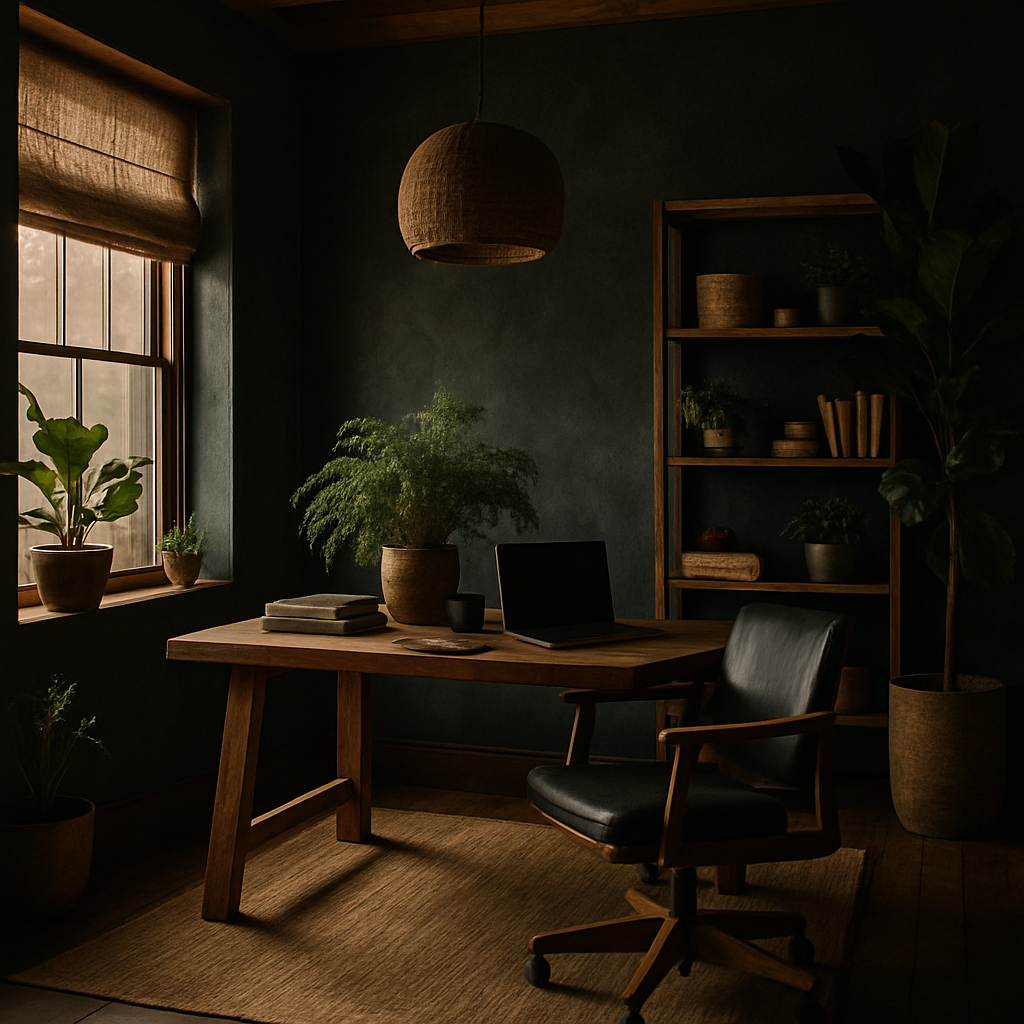
Imagine walking into an office where the air feels fresher, the aesthetic is calming, and the knowledge that every desk, chair, and light fixture contributes to a healthier planet. This isn't just a dream; it's the reality of sustainable corporate office design, a trend that's gaining momentum and transforming work environments. According to a recent survey by the American Society of Interior Designers (ASID), 71% of businesses are incorporating eco-friendly elements into their office spaces. This article explores how sustainable style can enhance your corporate office, detailing foundational concepts, providing data-backed insights, and sharing actionable strategies for a green transformation.
Understanding the Foundations of Sustainable Office Design
Sustainable office design begins with understanding the materials and processes that minimize environmental impact. Certified interior designers, often holding NCIDQ (National Council for Interior Design Qualification) credentials, emphasize the use of renewable and reclaimed materials, which not only reduce waste but also lower the carbon footprint of a project. Consider bamboo flooring, which is both durable and renewable, or recycled glass countertops that add a unique aesthetic while conserving resources.
Another foundational element is energy efficiency. Integrating smart technology, such as automated lighting and climate control systems, can significantly reduce energy consumption. According to the International Energy Agency, buildings account for nearly 40% of global energy consumption, making efficiency upgrades crucial. Smart systems not only cut energy costs but also enhance employee comfort and productivity.
Biophilic design, which emphasizes a connection with nature, is another cornerstone of sustainable office interiors. This includes using natural light, incorporating indoor plants, and designing spaces that promote outdoor views. The benefits are substantial; studies suggest that biophilic elements can reduce stress and improve cognitive function by up to 15%. As we delve deeper, you'll discover how these foundational concepts translate into practical, data-driven strategies.
Exploring Data-Driven Insights on Sustainability
Data plays a crucial role in shaping sustainable office design. Recent research by Houzz highlights that 58% of homeowners and businesses are willing to pay more for sustainably sourced materials. This willingness reflects a broader trend towards environmental responsibility, driven by both consumer demand and regulatory pressures. In corporate settings, this translates to increased investment in eco-friendly design solutions.
Moreover, the financial benefits of sustainable design are compelling. A study by the World Green Building Council found that green-certified buildings can achieve up to 23% lower operating costs. For businesses, this means that initial investments in sustainable design can be recouped through reduced utility bills and enhanced employee productivity over time. By choosing sustainable design options, companies not only support environmental goals but also improve their bottom line.
The impact on employee well-being is another critical data point. Offices designed with sustainability in mind can lead to a 20% increase in employee satisfaction, according to ASID research. This satisfaction often translates into lower staff turnover and higher engagement levels. With such compelling data, the shift towards sustainable office design becomes not just a choice but a strategic business decision. Let's explore how you can implement these strategies in your office.
Implementing Sustainable Strategies in Your Office
To transform your office into a sustainable space, start with an energy audit to identify areas for improvement. Professionals often recommend upgrading to LED lighting, which uses up to 75% less energy than traditional bulbs and lasts significantly longer. Additionally, consider installing occupancy sensors to ensure lights are only on when needed, further reducing energy waste.
Another actionable strategy is to select furniture made from sustainable materials. Look for pieces certified by the Forest Stewardship Council (FSC), which ensures products are sourced from responsibly managed forests. Choosing office furniture from local manufacturers can also reduce transportation emissions while supporting the local economy.
Water conservation is a lesser-known but impactful aspect of sustainable design. Install low-flow faucets and water-efficient appliances in office kitchens and bathrooms. These small changes can dramatically reduce water usage, aligning with broader environmental goals. As you implement these strategies, remember that even small steps contribute to a larger impact. Next, we'll delve into expert insights that can further refine your approach to sustainable design.
Expert Insights into Advanced Sustainable Design
Experienced professionals often note that sustainability goes beyond materials to include the lifecycle of products. This means choosing items that are not only sustainably produced but also recyclable or biodegradable at the end of their life. For instance, opting for modular carpet tiles allows for easy replacement and recycling of worn-out sections, reducing waste.
Another area where expert insight is invaluable is in air quality management. Indoor air quality can be significantly improved by using low-VOC (volatile organic compounds) paints and finishes, which reduce harmful emissions. The Environmental Protection Agency (EPA) highlights that maintaining good indoor air quality is essential for employee health and productivity.
Finally, sustainability in office design also includes considering the broader community impact. Partnering with local artists and craftsmen for custom pieces can infuse your space with unique character while supporting regional economies. By integrating these expert insights, your office can become a model of sustainable design that inspires others. As we continue, we'll explore additional depth and considerations for your project.
Additional Depth: Trends and Technologies
As you consider sustainable office design, it's important to stay informed about emerging trends and technologies. One such trend is the integration of smart home features into office spaces. Automated window treatments, for example, can optimize natural light while maintaining energy efficiency. These systems are more affordable and user-friendly than ever, making them an attractive option for modern offices.
Additionally, the concept of quiet luxury, or understated elegance, is making waves in sustainable design. This trend focuses on high-quality, durable materials that offer long-term value. By investing in timeless pieces, offices can avoid the waste associated with frequently updating décor to match fleeting trends.
Virtual reality (VR) and augmented reality (AR) tools are also revolutionizing how designers and clients visualize spaces. These technologies allow for immersive design presentations, helping stakeholders understand the impact of sustainable choices before implementation. As we wrap up, consider how these trends and technologies can enhance your sustainable design efforts. Next, we'll offer final perspectives on implementing these insights effectively.
Final Perspectives on Sustainable Office Design
Incorporating sustainability into your office design isn't just about making green choices; it's about creating a space that reflects your organization's values and commitment to the planet. Start by assessing your current office setup and identify areas where eco-friendly improvements can be made. Even small changes, like switching to energy-efficient lighting, can make a significant difference.
Remember, sustainability is a continuous journey. Stay informed about new materials, technologies, and strategies that can enhance your office design. Engage your team in this process by soliciting their input and encouraging sustainable practices in daily operations. By fostering a culture of sustainability, you'll not only improve your office environment but also inspire your employees to carry these values beyond the workplace.
Conclusion: Take the Next Step Towards a Sustainable Office
As you've discovered, sustainable office design offers a multitude of benefits, from reduced costs and enhanced employee well-being to a positive environmental impact. Are you ready to transform your office into an eco-friendly haven? Start by browsing platforms like Houzz or consulting with professionals from the IIDA to explore design options that align with your sustainability goals. Even dedicating a few hours each week to this research will help you make informed decisions and achieve the office transformation you envision.
By taking these steps, you're not just designing a space; you're shaping a future where sustainability and style coexist harmoniously. Begin your journey today and watch as your office becomes a beacon of innovation and environmental stewardship.


Comments
Post a Comment