Sustainable Office Interiors: Eco-Friendly Design Ideas for the Modern Workplace
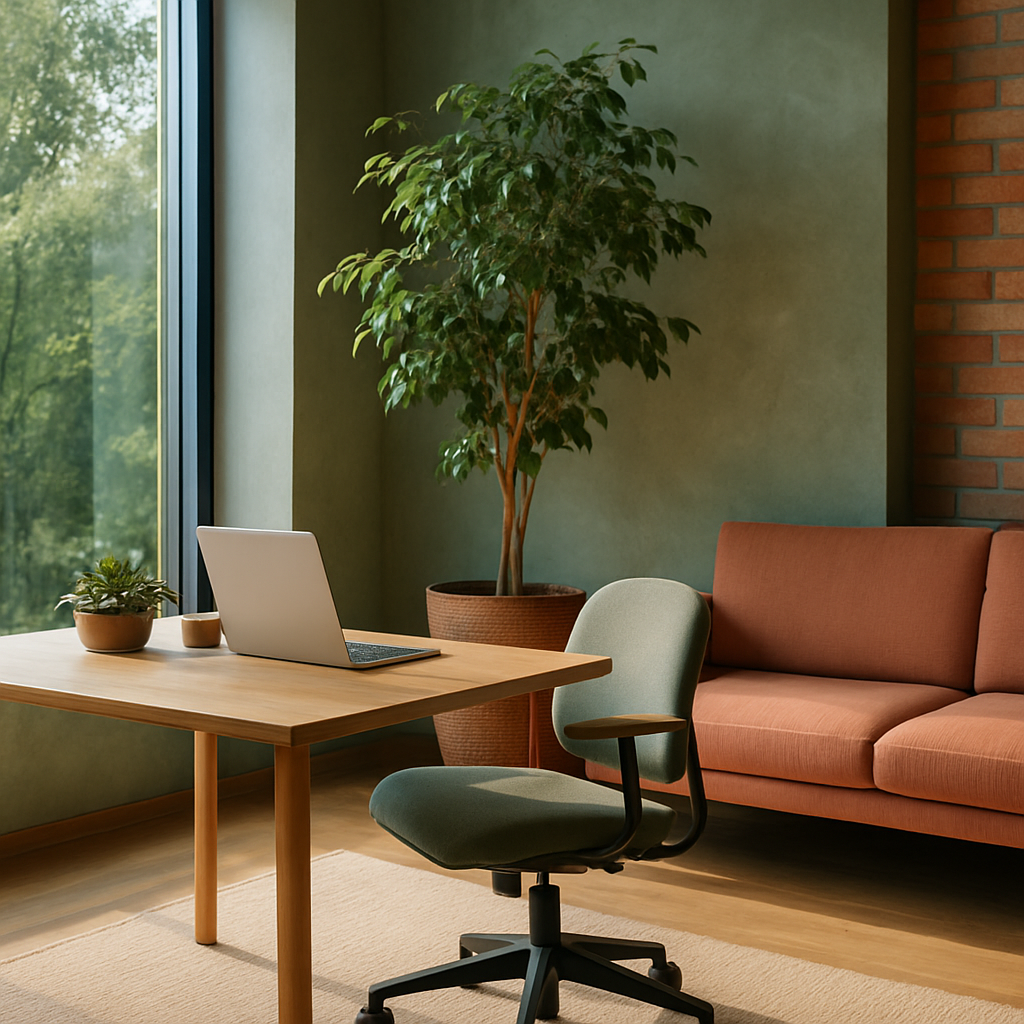
In the quest for sustainability, many businesses are rethinking their office interiors. Did you know that workplaces designed with eco-friendly principles can not only reduce environmental impact but also enhance employee productivity by up to 15%? This statistic, highlighted by recent studies, underscores the growing importance of sustainable office designs. In this article, we will explore foundational concepts of sustainable office interiors, delve into data-driven insights, and discuss actionable strategies for creating eco-friendly modern workplaces. By understanding the intricate balance between aesthetics and sustainability, you can transform your office into a space that reflects both innovation and responsibility.
Understanding the Basics of Sustainable Office Design
Sustainable office design is more than just a trend; it is an essential approach to creating a healthier, more efficient workspace. At its core, sustainable design aims to minimize the environmental footprint of office spaces by utilizing resources efficiently and responsibly. One fundamental aspect of this is choosing materials that are sustainably sourced, such as bamboo flooring or recycled metal fixtures. These materials not only reduce waste but also contribute to healthier indoor air quality.
Another key component is energy efficiency. Incorporating LED lighting, energy-efficient appliances, and smart thermostats can significantly reduce a building's energy consumption. According to the American Society of Interior Designers (ASID), energy-efficient systems can cut energy usage by up to 30%. This not only lowers operational costs but also reduces the carbon footprint, aligning with broader corporate sustainability goals.
Furthermore, sustainable office design emphasizes the importance of natural light and ventilation. Studies have shown that offices with ample natural light can improve employee well-being and productivity. By strategically placing windows and using open layouts, you can maximize daylight exposure and enhance the overall workspace environment. Transitioning to more eco-friendly office interiors begins with understanding these foundational elements.
Data-Driven Insights on Sustainable Office Design
The shift towards sustainable office interiors is backed by compelling data. According to the annual Houzz survey, 56% of companies that revamped their office spaces with sustainability in mind reported higher employee satisfaction. This statistic highlights the dual benefits of eco-friendly designs: they are not just good for the planet but also for the people who work there. Such findings reinforce the need for businesses to invest in sustainable practices.
Additionally, the National Council for Interior Design Qualification (NCIDQ) emphasizes the economic advantages of sustainable design. Offices that adopt eco-friendly practices often see a return on investment through reduced energy bills and increased employee retention rates. For instance, green-certified buildings can see operational cost savings ranging from 8% to 10%. This financial benefit is a powerful motivator for companies considering sustainable renovations.
The data also shows a growing consumer demand for sustainability. A report by the International Interior Design Association (IIDA) found that 70% of millennials prefer to work for companies that prioritize sustainability. This demographic shift is prompting businesses to align their values with those of their workforce. As we dissect these insights, it becomes clear that data plays a crucial role in driving the adoption of sustainable office interiors.
Actionable Strategies for Eco-Friendly Workplaces
Implementing sustainable practices in your office doesn't have to be overwhelming. Start by assessing your current space and identifying areas for improvement. Can you replace traditional lighting with energy-efficient LED fixtures? This simple swap can drastically reduce energy consumption. Consider integrating smart technology to automate lighting and temperature controls, ensuring that resources are used only when needed.
Another effective strategy is to prioritize the use of sustainable materials. Opt for furniture made from reclaimed wood or recycled plastic. These materials not only reduce waste but often come with a unique aesthetic appeal. Furthermore, consider sourcing products locally to minimize transportation emissions. This approach supports local economies while reducing the overall carbon footprint of your office redesign.
Engage your employees in the sustainability journey by setting up a green committee. Encourage staff to participate in recycling programs and energy-saving initiatives. Experienced professionals often note that fostering a culture of sustainability can enhance workplace morale and cooperation. These actionable strategies provide a practical starting point for companies aiming to embrace eco-friendly design principles.
Expert Insights on Sustainable Office Interiors
Industry experts agree that the future of office design lies in sustainability. According to Architectural Digest's AD PRO network, incorporating biophilic design elements, such as living walls and indoor gardens, can significantly enhance the aesthetic appeal and air quality of a workspace. These natural elements create a calming atmosphere, which can reduce stress and promote creativity among employees.
Another trend gaining traction is the use of AR/VR room visualization tools. These technologies allow designers and clients to experiment with different layouts and materials virtually before committing to physical changes. This not only streamlines the design process but also helps in making more informed decisions that align with sustainability goals. Experienced designers often use these tools to illustrate the potential impact of sustainable upgrades effectively.
Moreover, the integration of smart home technology in office spaces is revolutionizing energy management. Automated systems that adjust lighting and climate based on occupancy and time of day are becoming standard practice. The American Institute of Architects (AIA) emphasizes that such innovations are not just sustainable but also enhance user comfort and convenience. These expert insights underscore the transformative potential of sustainable office interiors.
Additional Considerations for Eco-Friendly Office Design
When designing a sustainable office, consider the broader impact of your choices. Are your design decisions contributing to the local community? Partnering with local artisans and suppliers can infuse your office with unique character while supporting sustainable business practices. Additionally, consider the lifecycle of the materials you choose. Opt for products with long lifespans to minimize waste over time.
It's also essential to integrate flexible design elements that can adapt to changing needs. Modular furniture systems, for instance, allow for easy reconfiguration as teams grow or project requirements shift. This adaptability not only extends the life of your furnishings but also supports a dynamic and responsive work environment.
Finally, think about the psychological impact of your office design. Sustainable spaces that incorporate elements of quiet luxury and understated elegance can create a serene atmosphere that enhances focus and productivity. This nuanced approach to design ensures that sustainability is considered alongside aesthetics and functionality. As we explore these additional considerations, the holistic nature of sustainable design becomes evident.
Final Perspectives on Sustainable Office Design
As the drive toward sustainability continues, more businesses are recognizing the myriad benefits of eco-friendly office interiors. From cost savings to enhanced employee well-being, the advantages are compelling. However, achieving a truly sustainable workspace requires thoughtful planning and a commitment to continuous improvement.
By staying informed about the latest trends and innovations, such as those highlighted by organizations like the ASID and NCIDQ, you can ensure that your office not only meets current standards but is also prepared for future advancements. The journey toward sustainability is ongoing, and each step you take contributes to a healthier planet and a more productive workplace.
In conclusion, sustainable office interiors are not just a possibility but a practical necessity for modern businesses. By integrating eco-friendly design ideas and embracing a culture of sustainability, you can create an office environment that benefits both people and the planet. Ready to get started? Begin by exploring designer portfolios on platforms like Houzz. Even dedicating a short amount of time to research can significantly clarify your vision for a sustainable office space.


Comments
Post a Comment