Sustainable Interior Design Trends: Eco-Friendly Ideas for Modern Homes
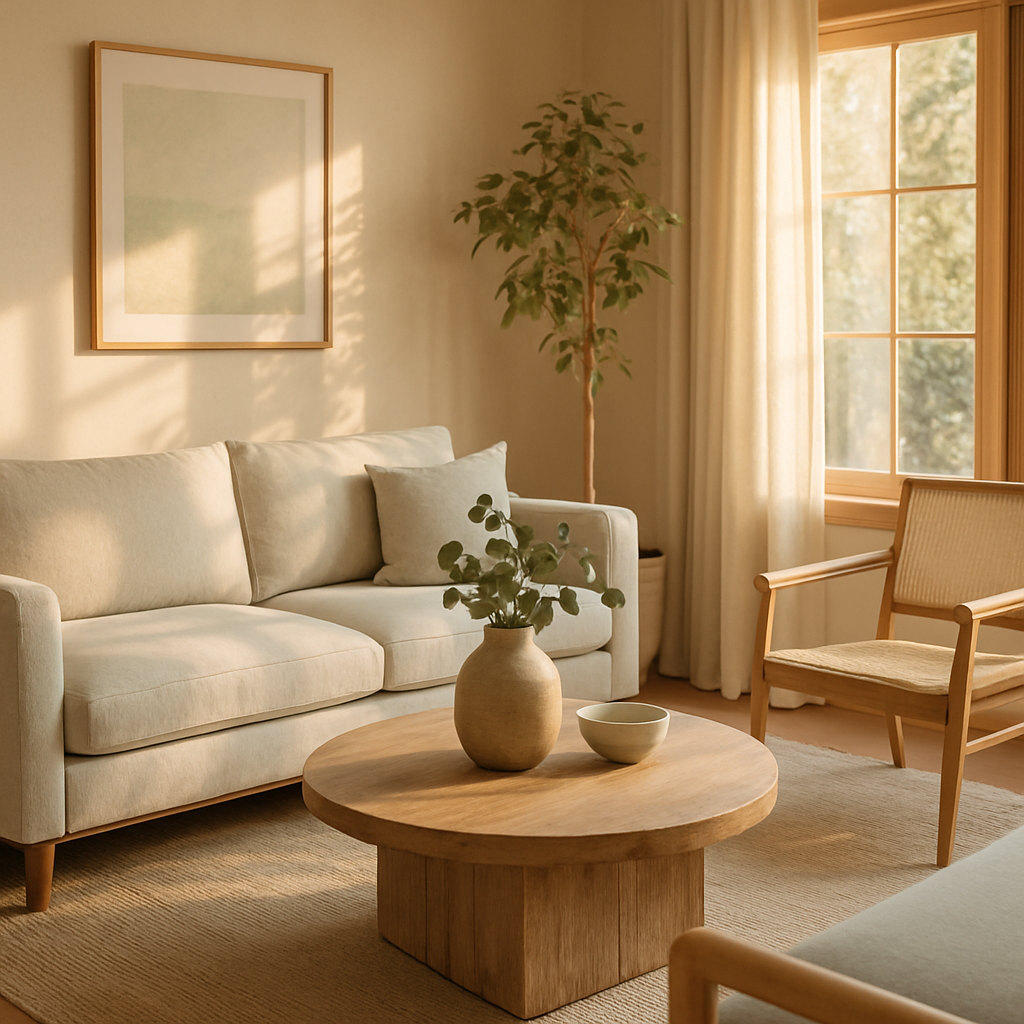
Imagine walking into a home where every element, from the floor to the ceiling, not only looks stunning but also contributes to the well-being of our planet. According to a survey by Houzz, 48% of homeowners are prioritizing eco-friendly materials in their renovation projects. This shift underscores a growing trend towards sustainable interior design in modern homes. This article will explore foundational concepts of sustainable design, delve into current eco-friendly trends, provide actionable strategies, and offer expert insights to guide your green transformation.
Understanding Sustainable Interior Design
Sustainable interior design is more than a passing trend; it's a commitment to creating spaces that prioritize environmental responsibility. This approach integrates the use of materials and processes that have a minimal negative impact on the environment. For instance, biophilic design, which incorporates natural elements like plants and natural light, is gaining popularity. Biophilic design not only enhances aesthetic appeal but also improves indoor air quality and reduces stress levels.
Another key aspect is the use of sustainable materials. Certified interior designers, often holding credentials such as NCIDQ (National Council for Interior Design Qualification) or memberships with the ASID (American Society of Interior Designers), emphasize materials like bamboo, reclaimed wood, and recycled metals. These materials are not only durable but also reduce the depletion of natural resources. As consumers become more eco-conscious, the demand for such materials continues to rise.
Energy efficiency also plays a crucial role in sustainable design. Implementing smart home technology, such as automated lighting and climate control, can significantly reduce energy consumption. These technologies not only contribute to sustainability but also enhance the comfort and convenience of modern living spaces. As we transition to more eco-friendly practices, you might ask yourself: How can your home become more sustainable?
The Current Landscape of Eco-Friendly Trends
In 2026, sustainable interior design trends are evolving to meet the demands of eco-conscious homeowners. One standout trend is the integration of smart home technologies. According to the American Institute of Architects (AIA), smart systems that control lighting, window treatments, and heating can reduce a home's energy usage by up to 30%. These systems are not only efficient but also customizable, allowing homeowners to adapt settings to their personal routines.
Additionally, the concept of quiet luxury is gaining traction. This trend emphasizes understated elegance through the use of high-quality, sustainable materials. Homes designed with quiet luxury in mind often feature natural stone, wool, and organic cotton, embodying both sophistication and sustainability. By choosing materials that age gracefully and require minimal maintenance, homeowners can enjoy a timeless aesthetic while reducing waste.
Biophilic design continues to be a major influence, with living walls and indoor gardens becoming more prevalent. These features not only purify the air but also create a seamless connection between indoor and outdoor environments. The ASID reports that incorporating natural elements into home design can increase occupant satisfaction by 40%. How can integrating these trends transform not just the look but the feel of your home?
Implementing Sustainable Practices in Your Home
Ready to embrace sustainable interior design in your home? Start by assessing your current space for areas of improvement. Look for opportunities to replace energy-inefficient appliances with more sustainable options. For example, consider installing Energy Star-rated appliances that are designed to consume less power and water. This small change can lead to significant savings on utility bills over time.
Next, focus on sourcing eco-friendly furnishings. Platforms like Houzz offer a plethora of options for sustainable furniture, from couches made of recycled materials to tables crafted from reclaimed wood. When shopping, prioritize furniture from companies that are transparent about their supply chain and manufacturing processes. This approach not only supports ethical production but also ensures you're investing in quality pieces that will last.
Finally, incorporate natural elements throughout your home. Use plants to add vibrancy and improve air quality in your space. Consider creating a vertical garden in your kitchen or installing a skylight to maximize natural light. These additions not only enhance the aesthetic appeal of your home but also contribute to a healthier living environment. As you implement these strategies, consider the broader impact on your lifestyle and the environment.
Expert Insights on Sustainable Design
Experienced professionals often note that the key to successful sustainable design lies in the planning phase. Engaging with a certified interior designer can provide valuable insights into material selection and layout considerations. According to the International Interior Design Association (IIDA), working with a professional can help homeowners achieve a balance between design aesthetics and environmental responsibility.
One approach used by experts is the incorporation of AR/VR technology for room visualization. These tools allow designers and homeowners to experiment with different layouts and materials before making a purchase. This not only reduces waste but also ensures that the final design aligns with the homeowner's vision. By visualizing the final result, you can make informed decisions that support both style and sustainability.
Additionally, designers emphasize the importance of lifecycle analysis when selecting materials. This involves considering the environmental impact of a product from production to disposal. By choosing products with a lower carbon footprint, homeowners can contribute to a more sustainable future. How might understanding the full lifecycle of your design choices influence your decisions?
Additional Considerations for Sustainable Homes
Beyond the obvious design elements, there are several additional factors to consider for a truly sustainable home. Water conservation is critical; installing low-flow fixtures and rainwater harvesting systems can significantly reduce water usage. These systems not only conserve a vital resource but also lower utility costs.
Another consideration is the use of non-toxic materials. Many conventional building materials contain volatile organic compounds (VOCs), which can harm indoor air quality. Opting for low-VOC paints and finishes can create a healthier environment for you and your family. The Environmental Protection Agency (EPA) has reported that the concentration of many pollutants indoors can be two to five times higher than typical outdoor concentrations, making this an important consideration.
Finally, consider the role of community in sustainability. Engaging with local organizations and initiatives can provide support and resources for sustainable practices. Whether it's joining a community garden or participating in local sustainability workshops, these activities can enhance your efforts and foster a sense of connection. How can your local community support your journey towards a more sustainable home?
Final Reflections on Sustainable Design
Embracing sustainable interior design is not only about following trends; it's about making conscious choices that positively impact the environment and your lifestyle. By integrating eco-friendly materials, smart technologies, and natural elements, you can create a home that embodies both beauty and responsibility. As more homeowners recognize the importance of sustainability, the design industry continues to innovate and provide solutions that cater to this growing demand.
Looking ahead, the future of interior design is undoubtedly green. With advancements in technology and an increasing awareness of environmental issues, sustainable design is set to become the norm rather than the exception. Whether you're planning a complete home renovation or simply updating a single room, consider how each decision can contribute to a more sustainable and harmonious living space.
Conclusion
Sustainable interior design offers a path to creating modern homes that are both stylish and environmentally friendly. By understanding the principles of eco-friendly design and implementing current trends, you can transform your home into a space that reflects your values. Start by exploring platforms like Houzz and consulting with certified designers to gather inspiration and advice.
If you're ready to make a change, begin with small steps such as upgrading to energy-efficient appliances or introducing natural materials into your décor. These actions, no matter how small, contribute to a larger impact. To deepen your understanding, consider browsing designer portfolios or attending local workshops. Start by browsing portfolios on Houzz this week - even 20 minutes of research will sharpen your eye for what you want.



Comments
Post a Comment