Sustainable Interior Design Ideas: Elevate Your Space While Being Eco-Friendly
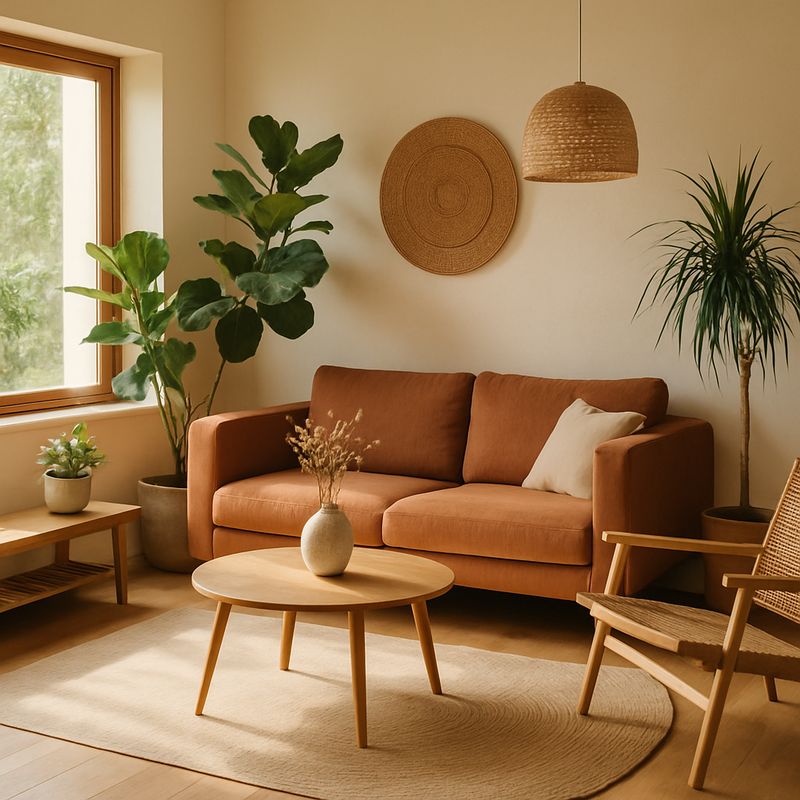
Did you know that sustainable interior design can increase your home's resale value by up to 15%? According to industry surveys, homeowners who integrate eco-friendly elements into their spaces not only enhance aesthetic appeal but also improve their property's overall marketability. If you're looking to transform your home into a stylish yet environmentally conscious sanctuary, you're in the right place. In this article, we'll explore foundational concepts of sustainable design, delve into data-driven insights, and present actionable strategies to elevate your space while being eco-friendly. We'll also provide expert-level details to guide you in making informed decisions. By the end, you'll be equipped with the knowledge to seamlessly blend style and sustainability in your home.
The Foundations of Sustainable Interior Design
Sustainable interior design begins with the understanding that every choice impacts the environment. It involves selecting materials, products, and processes that reduce negative effects on the planet. One foundational concept is the use of natural and renewable materials. Bamboo, for instance, is a sustainable alternative to hardwood because it grows rapidly and requires fewer resources to harvest. By choosing bamboo flooring or furniture, you contribute to a more sustainable ecosystem.
Another key element is energy efficiency. Integrating LED lighting, which consumes up to 75% less energy than traditional incandescent bulbs, is a simple yet effective way to reduce your home's carbon footprint. Additionally, incorporating smart home technology, such as programmable thermostats and automated blinds, can significantly lower energy consumption and enhance comfort. Are you currently using any smart devices in your home?
Finally, the concept of biophilic design, which emphasizes the connection between indoor environments and nature, is gaining popularity. This approach includes the use of natural light, plants, and organic shapes to create spaces that promote well-being. Studies suggest that biophilic design not only benefits mental health but also improves productivity and creativity. As you plan your design, consider how natural elements can enhance your living space.
Exploring Data-Driven Insights
According to the American Society of Interior Designers (ASID), sustainable design is not merely a trend but a necessary shift in the industry. Their research indicates that 90% of consumers are willing to spend more on eco-friendly products, reflecting a strong demand for sustainability in home design. This shift is echoed in the Houzz annual survey, which reports that homeowners prioritize energy efficiency and sustainable materials in their renovation projects.
Furthermore, data from the National Council for Interior Design Qualification (NCIDQ) highlights that certified interior designers increasingly focus on sustainable practices in their projects. These professionals are trained to integrate eco-friendly solutions that comply with industry standards. Working with a certified designer ensures that your project is both aesthetically pleasing and environmentally responsible. Have you considered hiring a certified professional for your next design project?
Statistics also show that sustainable homes enjoy higher resale values. A well-designed interior can yield a 5-15% increase in property value, making sustainable investments financially worthwhile. As you explore design options, remember that sustainability not only benefits the planet but also adds tangible value to your home.
Actionable Strategies for Eco-Friendly Design
Transforming your home into an eco-friendly space can be both satisfying and straightforward with the right strategies. Start by prioritizing sustainable materials. Reclaimed wood, recycled glass, and low-VOC (volatile organic compounds) paints are excellent choices that reduce environmental impact. These materials not only look stunning but also contribute to a healthier indoor environment.
Second, focus on furniture and decor that are sustainably sourced. Many companies, such as IKEA and Crate & Barrel, now offer eco-friendly product lines that emphasize sustainability without compromising style. When purchasing new items, look for certifications like FSC (Forest Stewardship Council), which ensure that products are responsibly sourced. How do you currently choose furniture for your home?
Additionally, consider upcycling or refurbishing existing furniture. This not only minimizes waste but also offers a unique opportunity to personalize your space. With a little creativity, you can transform an old piece into a statement item that reflects your style and commitment to sustainability. These small changes can make a significant impact over time.
Expert-Level Insights into Sustainable Design
Experienced professionals often note that the key to successful sustainable design lies in thoughtful planning and execution. The design process typically involves several phases: concept development, design presentation, procurement, installation, and styling. During the concept phase, consider how you can integrate sustainability into each aspect of the project.
For example, during the procurement phase, prioritize suppliers and manufacturers known for sustainable practices. The IIDA (International Interior Design Association) offers a valuable directory of professionals and companies committed to eco-friendly practices. By selecting partners who share your sustainability goals, you ensure that your project aligns with your values.
Moreover, utilizing AR/VR room visualization tools can help you make informed decisions before committing to purchases. These technologies allow you to explore different design scenarios and assess their environmental impact, ensuring your final choices are both stylish and sustainable. As you navigate your project, leverage these tools to enhance your planning process.
Additional Depth on Sustainable Practices
An often-overlooked aspect of sustainable interior design is the role of community and local resources. Supporting local artisans and businesses reduces the environmental cost of transportation and promotes regional craftsmanship. When possible, source materials and products from your local area to minimize your carbon footprint and support local economies.
Another strategy is to incorporate sustainable technology into your design. Smart home integration, including automated lighting and climate control, not only enhances convenience but also reduces energy consumption. Platforms like Nest and Philips Hue offer solutions that seamlessly blend technology with sustainability, providing long-term savings on energy bills.
Finally, consider the lifecycle of materials and products in your design. Choose items that are durable, repairable, and recyclable to extend their usability and reduce waste. By thinking ahead and selecting items with longevity in mind, you contribute to a more sustainable future. What steps can you take today to enhance the sustainability of your home?
Concluding Perspectives on Eco-Friendly Design
As you embark on your journey towards a sustainable home, remember that every small step counts. By integrating eco-friendly practices into your interior design, you not only enhance your living space but also contribute positively to the environment. The choices you make today can significantly impact the world of tomorrow.
Reflecting on the insights shared, it's clear that sustainable design is more than a trend-it's a commitment to responsible living. Whether you're starting a new project or updating your current space, always consider the environmental implications of your design choices. How will your next design decision reflect your commitment to sustainability?
To get started, begin by browsing portfolios on platforms like Houzz this week-spending even 20 minutes researching sustainable designs can sharpen your eye for eco-friendly styles. With the right approach, you can create a home that is both beautiful and kind to the planet.

Comments
Post a Comment