Sustainable Home Interior Design: Eco-Friendly Trends You Can't Ignore
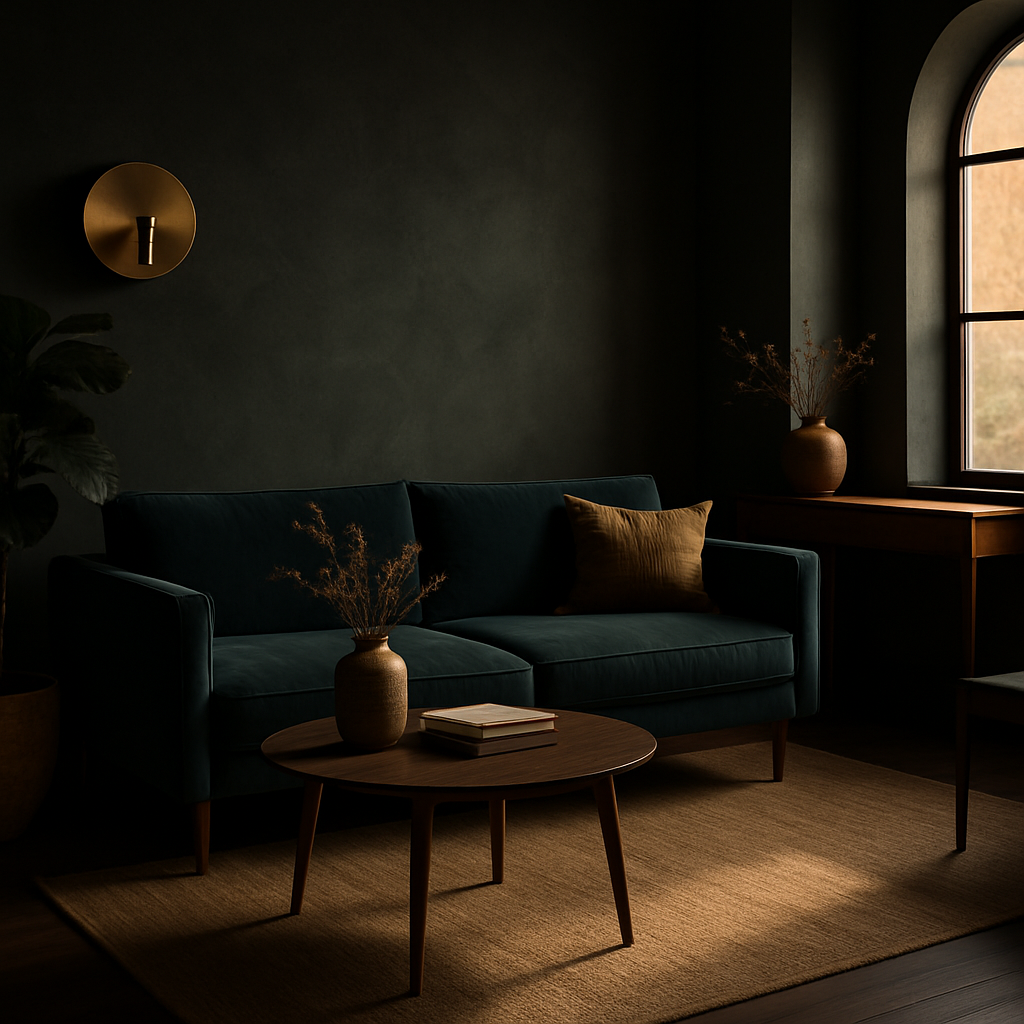
Did you know that implementing sustainable interior design can increase your home's resale value by up to 15%? According to a study by the American Society of Interior Designers (ASID), homeowners are increasingly demanding eco-friendly elements in their living spaces. As we become more aware of our impact on the planet, sustainable home interior design is not just a trend-it's a necessity. In this article, we'll explore the foundational concepts of sustainable design, delve into current data and trends, and offer actionable strategies to create an eco-friendly home. We'll also discuss expert insights and provide additional depth into emerging design practices. Ready to transform your home into a sustainable haven? Let's explore how.
Understanding Sustainable Interior Design
Sustainable interior design is all about creating spaces that are not only aesthetically pleasing but also environmentally responsible. At its core, this design philosophy prioritizes the use of materials and processes that minimize negative impacts on the environment. This includes selecting sustainable materials such as bamboo, reclaimed wood, and recycled metal, which are both durable and less harmful to the planet. But what does sustainability mean for your home? It means creating a space that reflects your environmental values while still offering comfort and style.
Many people confuse sustainable design with simply being energy-efficient, but it goes much deeper. Beyond energy conservation, it encompasses water-saving techniques, the use of non-toxic materials, and the integration of design elements that enhance the indoor air quality. For instance, choosing low-VOC (volatile organic compounds) paints and finishes can significantly reduce the presence of harmful chemicals in your home. This approach not only benefits the environment but also promotes a healthier living space for you and your family.
Moreover, sustainable interior design often involves a holistic approach to living spaces. This includes maximizing natural light, improving insulation, and integrating smart technology to reduce energy consumption. Are you aware of how much energy your home could save by simply optimizing natural light and improving insulation? These foundational concepts set the stage for creating a home that is both beautiful and kind to the planet, leading us to explore deeper into the current trends and data driving this movement.
The Current State of Sustainable Design: Data and Trends
As the demand for sustainable living increases, industry data reflects a significant shift in consumer preferences. According to Houzz's annual survey, over 60% of homeowners are investing in sustainable materials during renovations. This statistic highlights a growing awareness and willingness to incorporate eco-friendly elements into home design. But what specific trends are shaping the future of sustainable interiors?
One major trend is the rise of biophilic design, which emphasizes the connection between indoor spaces and nature. This design approach incorporates natural elements, such as living walls and indoor gardens, that not only enhance aesthetics but also improve air quality and mental well-being. Additionally, the integration of smart home technology-like automated lighting and climate control-enables homeowners to significantly reduce their energy consumption and carbon footprint.
Furthermore, sustainable interior design is increasingly incorporating recycled and upcycled materials. Experienced professionals often note that using reclaimed wood or repurposed metal in your decor not only supports environmental sustainability but also adds unique character and history to your space. Are you curious about how these elements could be integrated into your home? The data suggests that these trends are not only beneficial for the planet but also for homeowners' satisfaction and investment returns. This analysis naturally leads us to explore actionable strategies for implementing these trends in your own home.
Actionable Strategies for an Eco-Friendly Home
Transforming your home into a sustainable sanctuary doesn't have to be overwhelming. Start by assessing the materials and finishes in your space. Opt for sustainable options like bamboo flooring or recycled glass tiles, which offer both durability and eco-friendliness. Consider replacing conventional fixtures with water-saving faucets and showers to reduce your water consumption significantly. Did you know that such changes can cut your water usage by up to 30%?
Lighting is another crucial aspect of sustainable design. Replace traditional incandescent bulbs with LED or CFL lighting, which use a fraction of the energy and last much longer. Additionally, maximize natural light by arranging your furniture to allow sunlight to permeate your home. This not only reduces the need for artificial lighting but also creates a warm and inviting atmosphere.
Finally, consider incorporating smart home technology. Automated systems for lighting, heating, and cooling can adapt to your schedule and reduce energy waste. For instance, smart thermostats can adjust the temperature when you're not home, saving energy and reducing utility bills. These actionable strategies provide a practical foundation for sustainable living, encouraging us to delve deeper into expert insights on the topic.
Expert Insights on Sustainable Design Practices
According to the International Interior Design Association (IIDA), the future of sustainable design involves a greater emphasis on circular economy principles. This means focusing on design that minimizes waste by reusing and recycling materials. Professionals in the field advocate for selecting furniture and decor that can be easily disassembled and repurposed, reducing the need for new resources.
Another expert insight involves the importance of certifications and standards. The National Council for Interior Design Qualification (NCIDQ) emphasizes the role of certified interior designers in ensuring that projects meet rigorous sustainability criteria. Certified designers have the expertise to select materials and design solutions that align with both aesthetic desires and environmental goals.
Furthermore, industry leaders highlight the trend of quiet luxury, which focuses on quality over quantity. This involves choosing fewer, higher-quality items that are designed to last, rather than frequently replacing cheaper, mass-produced items. Do you find yourself leaning towards quality over quantity in your purchases? This approach not only supports sustainability but also enhances the overall elegance and functionality of your home. With these insights, we can explore additional depth into emerging sustainable design practices.
Diving Deeper into Emerging Sustainable Practices
Emerging sustainable practices are continually evolving, offering new ways to enhance eco-friendliness in home design. One such practice is the use of AR/VR technology to visualize room designs before implementation. This allows homeowners to make informed decisions about materials and layouts, minimizing waste and optimizing resources.
Moreover, the integration of sustainable and reclaimed materials is gaining traction. Designers are increasingly sourcing materials from local suppliers to reduce transportation emissions. This not only supports local economies but also ensures that materials are suited to the local climate and conditions, enhancing durability and effectiveness.
Another emerging practice is the focus on adaptability and flexibility in design. This involves creating spaces that can easily adapt to changing needs, reducing the necessity for frequent renovations. Are you considering how adaptable your spaces are to future changes? By thinking ahead, you can create a home that remains functional and stylish for years to come. These emerging practices highlight the dynamic nature of sustainable design, paving the way for our final perspectives on the topic.
Final Perspectives on Sustainable Interior Design
As we look to the future, sustainable interior design is poised to become the standard rather than the exception. Homeowners who embrace eco-friendly design not only contribute to environmental conservation but also enjoy numerous personal and financial benefits. The industry consensus is clear: sustainability is not a fleeting trend, but a fundamental shift in how we approach home design.
For those starting their sustainable design journey, it's essential to engage with certified professionals who can guide you through the process. Whether you're undertaking a small room redesign or a full-home renovation, expert guidance ensures that your choices align with both your vision and sustainability goals. How do you plan to start incorporating sustainable practices into your home?
Ultimately, the key is to approach sustainable interior design with an open mind and a willingness to prioritize the planet without compromising on style or comfort. This perspective encourages us to summarize our exploration and offer a clear path forward for readers eager to embrace sustainability.
Conclusion: Embrace Sustainability Today
Sustainable home interior design offers a wealth of benefits, from enhanced aesthetics and improved health to increased property value. By understanding foundational concepts, exploring current trends, and implementing actionable strategies, you can transform your living space into an eco-friendly oasis. Remember, consulting with certified interior designers ensures that your home meets high sustainability standards while reflecting your unique style.
Are you ready to take the first step towards a more sustainable home? Start by browsing designer portfolios on platforms like Houzz this week. Even dedicating just 20 minutes will sharpen your eye for sustainable design elements that resonate with you. Embrace this opportunity to contribute positively to the environment while creating a space that truly feels like home.


Comments
Post a Comment