Rustic vs. Modern: How to Blend Interior Design Styles for a Unique Look
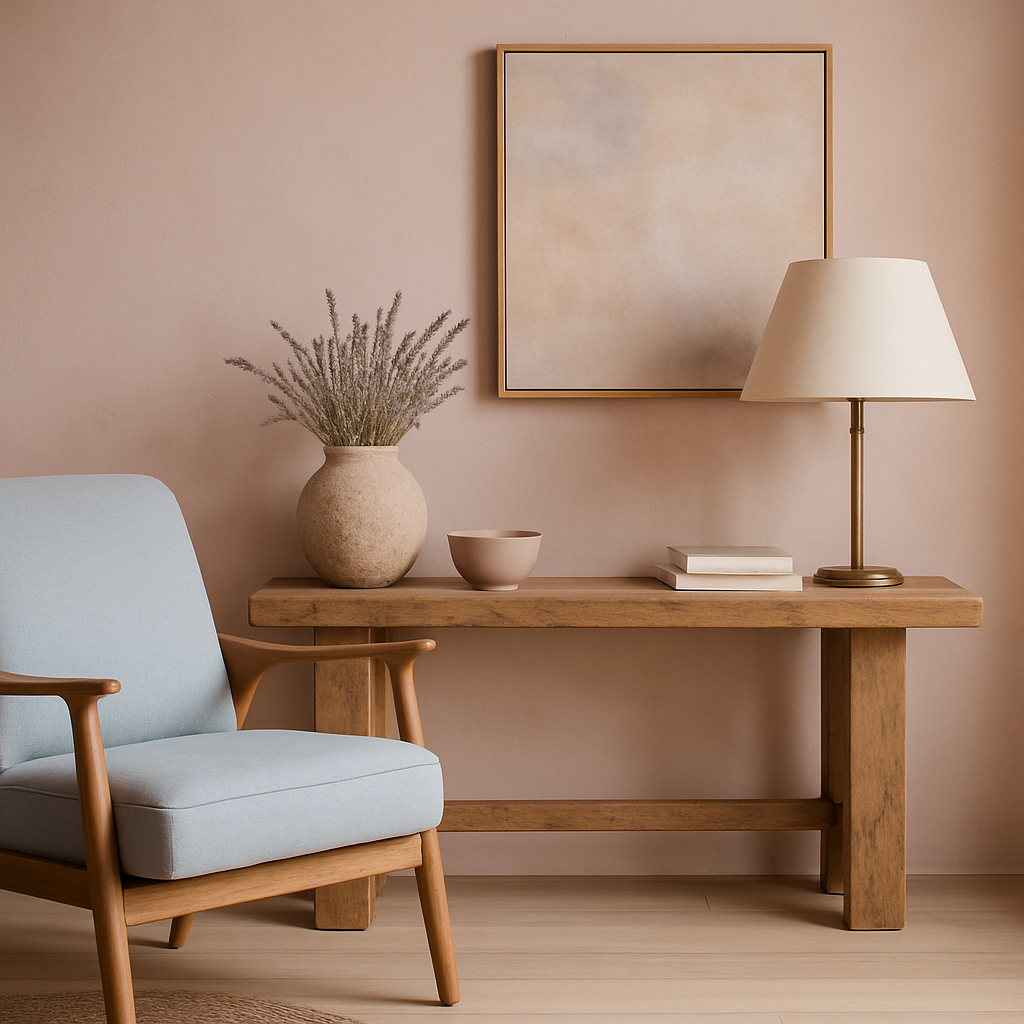
In the realm of interior design, the juxtaposition of rustic and modern styles creates an eye-catching and harmonious living space. But how do you successfully blend two seemingly opposing aesthetics? According to a Houzz survey, homeowners increasingly favor mixed styles, with 60% exploring such combinations. This trend highlights the appeal of rustic-modern fusion, where the warmth of natural materials meets the sleek lines of contemporary design. This article will explore foundational concepts, provide deeper analysis, offer actionable strategies, and delve into expert-level details to help you achieve the perfect blend in your home.
Understanding Rustic and Modern Design Essentials
Before blending styles, it's crucial to understand what defines rustic and modern design. Rustic interiors are characterized by their natural materials, such as wood and stone, and a preference for handcrafted, organic elements. These spaces often evoke a sense of coziness and connection to nature. On the other hand, modern design focuses on minimalism, clean lines, and functionalism. Materials like glass and metal are prevalent, and there is an emphasis on open spaces and simplicity.
To create a successful blend, one must first appreciate the core attributes of each style. Rustic design is about warmth and texture, often featuring reclaimed wood furniture and earthy color palettes. Meanwhile, modern design thrives on sleek surfaces and neutral colors, with a focus on form and functionality. Understanding these basics allows for a thoughtful integration of both styles, ensuring a cohesive look rather than a clashing of elements.
The key to blending these styles lies in balance. For instance, incorporate rustic elements like a reclaimed wood dining table within a room filled with modern, minimalist chairs. This approach not only highlights the unique qualities of each style but also creates a harmonious environment. As you embark on this design journey, consider how you can maintain equity between rustic charm and modern sophistication in your living spaces.
Analyzing the Appeal: Why Blend Rustic and Modern?
The appeal of combining rustic and modern styles is rooted in the desire for personalized spaces that reflect both warmth and contemporary elegance. According to research by Architectural Digest, mixed-style interiors can enhance a home's resale value by 5-15%, as they often cater to a broader range of tastes. This is particularly appealing to homeowners looking to create spaces that are both unique and market-friendly.
One reason for this trend is the flexibility it offers. A rustic-modern blend allows homeowners to express their individuality by selecting elements that resonate with them personally. For instance, a modern living room can be softened with rustic touches like a vintage area rug or a stone fireplace, adding character and depth. The interplay of contrasting styles can create a dynamic and visually interesting space that tells a story.
Moreover, this design approach is sustainable in nature. Using reclaimed materials, a hallmark of rustic design, aligns with the increasing demand for eco-friendly solutions. By incorporating these elements into a modern framework, homeowners can achieve an aesthetic that is not only stylish but also environmentally conscious. The result is a space that is both timeless and timely, appealing to those who value both style and sustainability.
Strategies for Blending Rustic and Modern Styles
Successfully blending rustic and modern styles requires deliberate planning and execution. One effective strategy is to start with a neutral foundation. Modern design often uses neutral palettes, which can serve as a backdrop for rustic elements. Consider painting walls in soft grays or whites, then add rustic touches through furniture or decor. This approach allows for flexibility and easy adjustments as tastes evolve.
Another strategy is to mix materials purposefully. Pairing different textures and finishes can bridge the gap between rustic and modern. For example, juxtapose a sleek metal light fixture with a rough-hewn wooden dining table. The contrast can create a compelling focal point that draws the eye and unifies the space. When selecting materials, think about how each piece will contribute to the overall aesthetic and functionality of the room.
Lighting plays a critical role in merging these styles. Use modern lighting fixtures to highlight rustic features, such as exposed wooden beams or a stone accent wall. Incorporating smart lighting solutions can also enhance the functionality and mood of the space, allowing for a seamless integration of technology. As you experiment with lighting, ask yourself: How can I use light to draw attention to the unique characteristics of each style?
Expert Tips for a Seamless Integration
Experienced professionals often note that the secret to blending styles lies in the details. Subtle accents and accessories can tie a room together, making the transition between styles feel natural. Consider incorporating textiles like throw pillows or curtains that feature patterns or textures reflective of both aesthetics. This approach adds layers and depth to your design scheme without overwhelming the senses.
Another expert recommendation is to focus on the architecture of the space. For instance, if your home has architectural features like exposed brick or wooden beams, use them as focal points. Highlight these elements with modern furnishings to create a balanced composition. According to the American Society of Interior Designers (ASID), such strategic focal points can anchor a room, making it easier to blend different styles.
Lastly, consider the role of color in your design. While modern design typically favors monochromatic schemes, introducing pops of color through rustic elements can add warmth and interest. A rustic barn door in a bold hue can become a statement piece in an otherwise neutral modern room. As you explore color options, think about how each choice complements the overall design vision.
Adding Depth with Personal Touches
Personalization is the final layer in creating a unique blend of rustic and modern styles. Incorporating personal items such as family heirlooms or travel souvenirs can infuse a space with individuality. These elements can serve as conversation starters and add sentimental value to your home. Consider how personal touches can both reflect your personality and enhance the design.
Integrating technology is another way to personalize your space. Modern smart home devices can be incorporated discreetly, maintaining the aesthetic integrity of the room while adding convenience. Automated window treatments or smart thermostats can enhance both the functionality and comfort of your home. When planning your design, think about how technology can complement the rustic elements without overshadowing them.
Artwork is also a powerful tool in creating depth and interest. Choosing art pieces that resonate with you personally can help bridge the gap between styles. A modern abstract painting on a rustic wood wall can create a striking contrast that is both harmonious and intriguing. As you curate your art collection, consider how each piece contributes to the overall narrative of your home.
Final Perspectives on Blending Styles
Blending rustic and modern styles requires a thoughtful approach that respects the integrity of each aesthetic. By understanding the core elements, analyzing the appeal, and employing strategic design techniques, you can create a space that is both cohesive and unique. The blend of styles not only reflects personal taste but also offers functional benefits, such as increased home value and sustainability.
As you embark on this design endeavor, remember that balance is key. Each element should contribute to the overall harmony of the space, without competing for attention. Whether you're starting with a complete redesign or simply incorporating new elements into an existing space, the goal is to achieve a seamless integration that feels natural and inviting.
Are you ready to transform your home into a showcase of rustic-modern elegance? Consider your personal style preferences and how they can be reflected in your design. This journey is about creating a space that is uniquely yours, with each element contributing to a harmonious whole.
Conclusion
In conclusion, blending rustic and modern interior design styles offers an opportunity to create spaces that are both visually stunning and personally meaningful. By understanding the essentials of each style, analyzing their unique appeal, and implementing expert strategies, you can achieve a harmonious and inviting home environment. Start by mapping out your vision and experimenting with different elements to see what resonates with you.
Ready to start your design journey? Begin by browsing portfolios on platforms like Houzz and Instagram. Even dedicating 20 minutes a week to research can sharpen your eye for design and help you discover new ideas. Embrace the process and enjoy the transformation of your living space into a true reflection of your style.



Comments
Post a Comment