Revolutionizing Your Space: How AI Interior Design Transforms Home Aesthetics
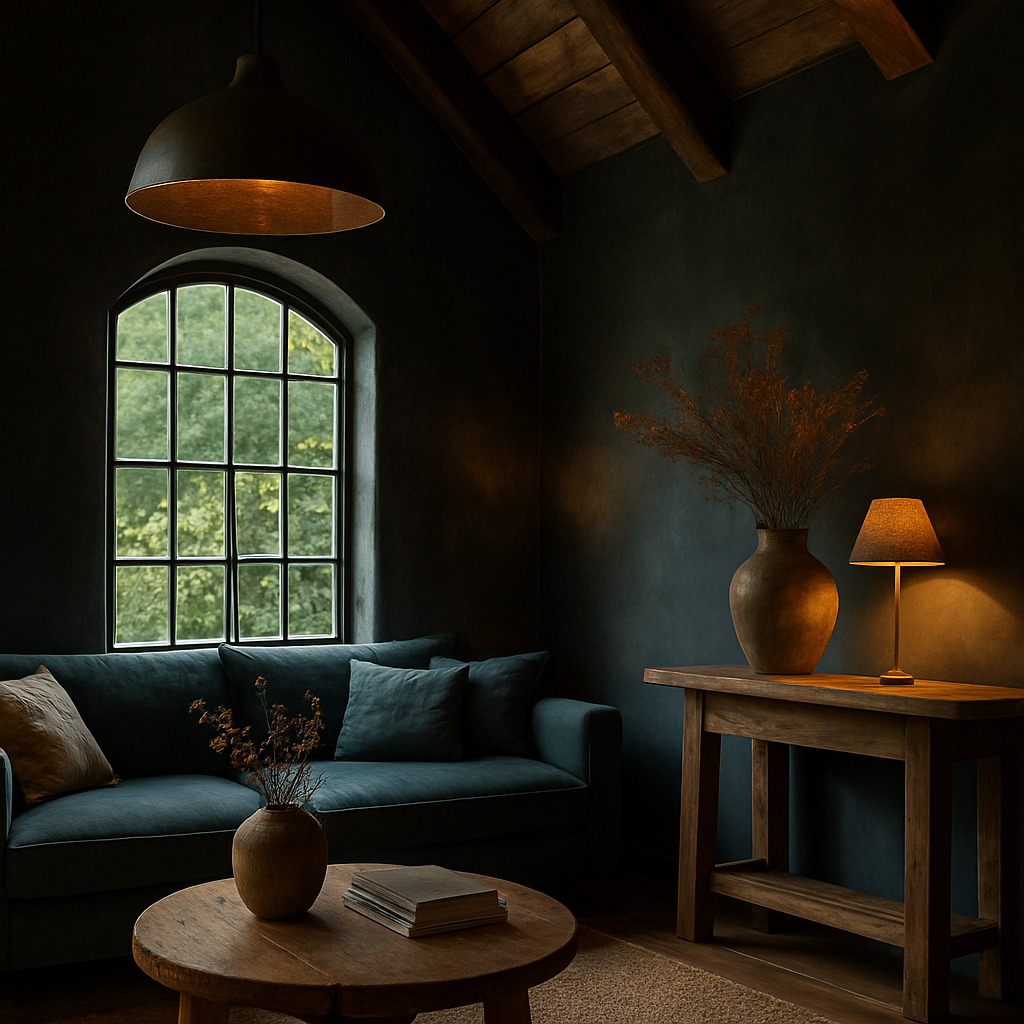
Imagine walking into a room that seems to intuitively understand your preferences, adjusting its lighting and layout to match your mood perfectly. According to a 2023 study by Houzz, over 70% of homeowners are now willing to incorporate AI technologies into their interior design plans for this very reason. AI interior design is not just a futuristic concept; it's a transformative approach redefining how we perceive and interact with our living spaces. In this article, we will explore the foundational concepts of AI in interior design, delve into data-driven insights, outline actionable strategies, and provide expert-level advice to help you revolutionize your home aesthetics.
Understanding AI Interior Design
Artificial Intelligence (AI) in interior design leverages machine learning algorithms to create personalized and efficient spaces. By analyzing vast amounts of data, AI can suggest design elements that suit individual tastes while optimizing functionality. This technology isn't just for tech enthusiasts; it has practical applications that can enhance any home. Imagine an AI tool that learns your color preferences and suggests complementary palettes, or one that recognizes the flow of your daily activities to optimize your furniture layout.
Platforms like Houzz and Pinterest are integrating AI to help users visualize design concepts. Houzz's Visual Match tool, for instance, allows users to find and purchase furniture that matches items in uploaded photos, showcasing how AI can streamline the design process. Moreover, AI-powered software such as Planner 5D uses AR/VR to help homeowners visualize how new designs will look in their actual spaces. This capability is a game-changer for those who struggle to picture transformations from flat sketches or mood boards.
The impact of AI in design isn't limited to aesthetics. It's becoming an essential tool for sustainability. By analyzing data on energy consumption and material use, AI helps design eco-friendly spaces that minimize waste and reduce carbon footprints. This is crucial as the design industry moves towards more sustainable practices, aligning with trends like biophilic design, which emphasizes natural materials and indoor-outdoor flow. This foundational understanding of AI's role in design sets the stage for deeper insights.
The Data Behind AI-Driven Design
AI's ability to analyze data is a cornerstone of its application in interior design. According to Architectural Digest's AD PRO, AI can process data from thousands of design projects, identifying trends and preferences with remarkable accuracy. This data-driven approach allows designers to predict what elements will resonate with clients, enhancing both satisfaction and efficiency. For instance, AI can identify that a significant percentage of homeowners prefer open-plan layouts, leading designers to focus on creating versatile, interconnected spaces.
Moreover, AI is instrumental in budget management. By analyzing previous projects, AI can provide realistic cost estimates, helping clients understand potential expenses before committing to a design. This transparency is vital, as Houzz's 2023 survey indicates that budget overruns are a common concern for over 60% of homeowners. By offering precise forecasts, AI tools can alleviate financial anxiety and ensure that projects stay on track.
AI also plays a critical role in enhancing user experience through personalization. Platforms like Modsy employ AI to create personalized 3D models based on user inputs and preferences. This tailored approach ensures that clients are not just passive recipients of design ideas but active participants in the creative process. The ability to see a digital rendition of their future space helps clients make informed decisions, reducing the likelihood of costly changes later on. As we move to actionable strategies, the practical application of these data insights becomes clear.
Actionable Strategies for Incorporating AI
How can you start integrating AI into your home design projects? Begin by leveraging AI-powered tools like RoomSketcher or Homestyler, which allow you to create floor plans and visualize them in 3D. These platforms are user-friendly and cater to both novices and seasoned professionals. By inputting your room dimensions and preferred styles, these applications can generate multiple design options, offering a level of customization that traditional methods cannot match.
Another strategy is to use AI for smart home integration. AI can recommend the best smart devices, from lighting to climate control, tailored to your lifestyle. For instance, AI can suggest sensors that adjust lighting based on natural light levels, creating an energy-efficient and comfortable environment. According to the International Interior Design Association (IIDA), smart home features are increasingly sought after, as they enhance both convenience and property value.
Don't forget about AI's role in material selection. Tools like Autodesk's Revit use AI to suggest sustainable materials, helping you make eco-friendly choices without compromising on style. With the growing emphasis on sustainability, selecting materials that have a lower environmental impact is not only responsible but also aligns with the latest design trends. By incorporating these actionable strategies, you can harness the full potential of AI to transform your home. Next, we'll explore expert insights into maximizing these tools.
Expert Insights on AI Design Tools
Experienced professionals often note that while AI tools are remarkably powerful, their effectiveness is significantly enhanced when combined with human creativity and intuition. The National Council for Interior Design Qualification (NCIDQ) suggests that certified interior designers who integrate AI into their workflow can offer more comprehensive services, balancing technological precision with artistic flair.
One expert tip is to use AI for initial concept development, allowing the designer to focus on refining and personalizing the final design. This approach ensures that the creative nuances and emotional connections that a human designer brings to a project are not lost. AI can handle extensive data analysis and optimization tasks, freeing up time for designers to engage with clients on a more personal level.
It's also important to stay updated with the latest AI advancements. Keeping track of updates in AI software and tools can provide you with cutting-edge capabilities, such as real-time collaboration features and enhanced rendering options. By continuously learning and adapting, designers can maintain a competitive edge in an industry that is rapidly evolving. With these expert insights, the advantages of AI tools become even more pronounced. Let's dive deeper into additional details that can further enhance your design process.
Beyond Aesthetics: The Future of AI in Design
AI's role in interior design extends beyond merely enhancing aesthetics. It is poised to revolutionize project management by automating scheduling, procurement, and even installation. Imagine a future where AI not only suggests design elements but also coordinates with suppliers and contractors, ensuring that projects are completed efficiently and on time. This holistic approach could redefine how the industry operates.
Additionally, AI is set to transform how we experience spaces. With advancements in AR and VR, clients can experience their redesigned spaces before any physical changes are made. This immersive technology is becoming more accessible, allowing for a deeper level of client engagement and satisfaction. Platforms like SketchUp are already incorporating these features, providing clients with a tangible sense of their future environments.
As AI continues to evolve, its integration into interior design will likely become standard practice. Embracing these technologies now can set you ahead of the curve, ensuring that your designs are not only contemporary but also future-proof. With this forward-thinking perspective, we are ready to conclude our exploration of AI in interior design.
Final Thoughts on AI-Driven Design
As we've explored, the integration of AI in interior design is more than just a trend; it's a transformative force reshaping how we approach home aesthetics. By leveraging AI, you can unlock new levels of personalization, efficiency, and sustainability in your design projects. Whether you're a homeowner seeking to refresh a single room or a professional designer managing a large-scale renovation, the benefits of AI are undeniable.
Have you considered how AI could enhance your next design project? From budget management to smart home integration, the possibilities are vast and varied. As the industry continues to innovate, staying informed and proactive will ensure that your spaces remain both beautiful and functional.
In conclusion, AI interior design offers a wealth of opportunities for those willing to embrace it. Start by exploring AI tools and platforms that align with your design goals. This initial step can open up new possibilities for creativity and efficiency in your projects. As you navigate this exciting landscape, remember that the future of interior design is here, and it's powered by AI.
Ready to take the next step? Start by browsing portfolios on Houzz or experimenting with a free AI design tool like Homestyler this week. Even 20 minutes of exploration can provide new insights into what AI can do for your home.


Comments
Post a Comment