Revolutionizing Spaces: How AI is Transforming Interior Design in 2023
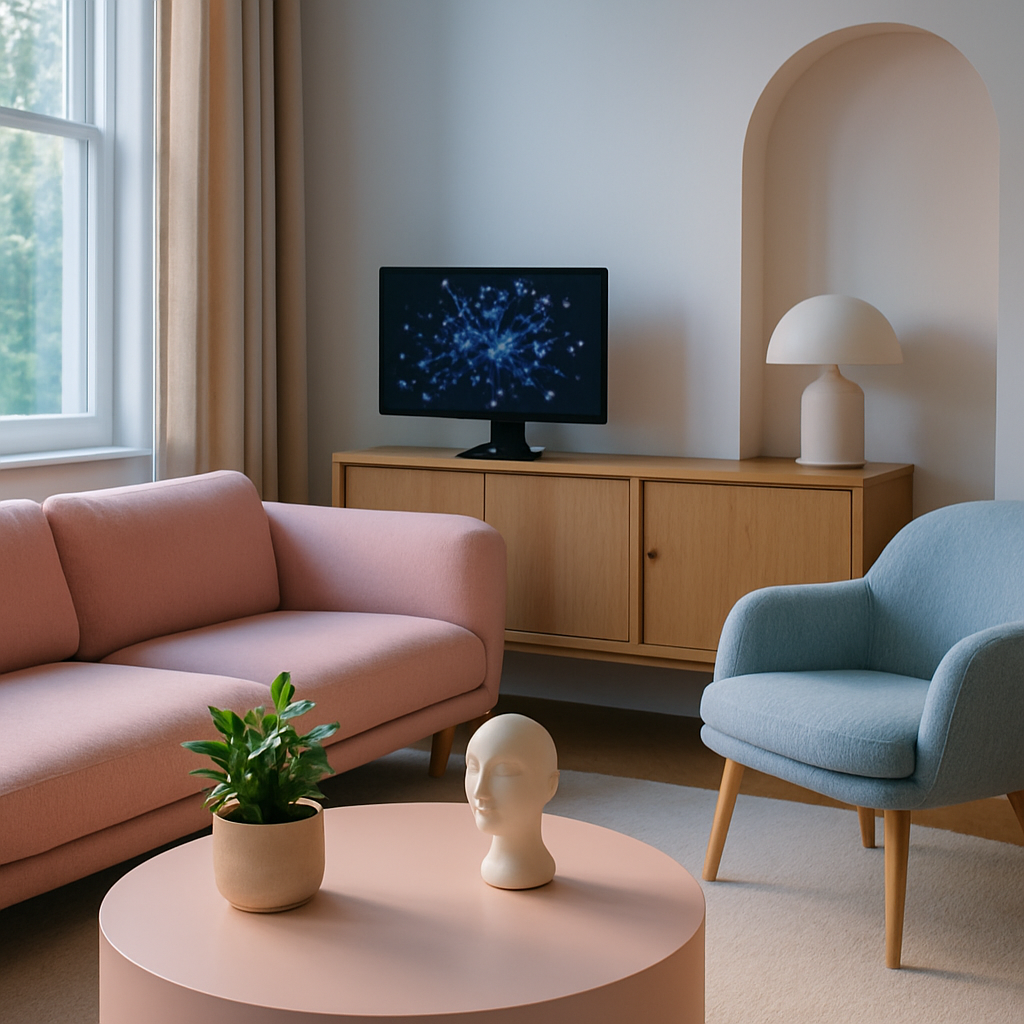
Imagine walking into a room that perfectly mirrors your aesthetic preferences, mood, and functional needs. This isn't a scene from a futuristic movie-it's the reality that artificial intelligence (AI) is bringing to the world of interior design. According to industry surveys, the integration of AI in design processes has increased by over 60% in the last two years. This shift is not just about high-tech innovation; it's about creating spaces that resonate on a deeply personal level. In this article, we'll explore the foundational concepts of AI in interior design, delve into the data shaping this transformation, discuss actionable strategies for incorporating AI, and provide expert insights to enhance your living spaces.
Understanding AI in Interior Design
Artificial intelligence in interior design is not merely a technological fad; it represents a profound shift in how spaces are conceptualized and executed. At its core, AI leverages algorithms and data analytics to streamline the design process, offering more personalized and efficient outcomes. For instance, AI can analyze vast amounts of data to predict trends and preferences, enabling designers to craft environments that are both aesthetically pleasing and functional. One such tool, Houzz Pro, uses AI to help designers visualize projects with augmented reality, allowing clients to see potential changes in real time.
AI's ability to process complex datasets means it can identify patterns and preferences that might be overlooked by human intuition alone. This capability is transforming the traditional design process, which often relies on trial and error. By using AI tools, designers can quickly generate multiple design options tailored to specific client needs, saving time and resources. This efficiency not only benefits designers but also ensures clients receive a design that truly reflects their tastes.
Furthermore, AI is democratizing design by making professional-level insights accessible to a broader audience. Platforms like Pinterest and Instagram utilize AI to suggest design ideas based on user interactions, bridging the gap between professional designers and everyday homeowners. As a result, more people can engage with design processes that were once the domain of industry experts. This section sets the stage for exploring how data and analysis are driving these changes.
Data-Driven Design: The Power of AI Analytics
AI analytics are reshaping the landscape of interior design by providing data-driven insights that inform every stage of the design process. According to a recent study by the American Society of Interior Designers (ASID), 75% of designers who incorporate AI into their workflow report higher client satisfaction. These analytics allow designers to predict future trends based on current consumer behavior and historical data, ensuring that their designs not only meet current demands but also anticipate future needs.
The integration of AI enables designers to create with precision. For example, AI can analyze data from sources like Houzz to identify which design elements are most popular in different demographics. This information can guide designers in selecting materials, color palettes, and furniture that will resonate with their target audience. Moreover, AI tools can simulate various design possibilities, providing clients with a visual representation of their space before any physical changes are made.
AI's data capabilities also facilitate sustainable design practices by analyzing and optimizing resource use. For instance, AI can recommend materials that have a lower environmental impact, aligning with the growing trend of sustainable interiors. As designers and clients become more environmentally conscious, AI's ability to offer eco-friendly solutions becomes invaluable. With data as a foundation, the next section will explore practical strategies for implementing AI in your design projects.
Implementing AI: Strategies for Designers
Incorporating AI into interior design requires strategic planning and a willingness to embrace new technologies. A key strategy is to start small by integrating AI tools into specific aspects of your workflow. For instance, using AI-powered software for space planning can help optimize layouts and ensure that every square inch of a space is used effectively. Tools like SketchUp and AutoCAD now offer AI enhancements that can automate repetitive tasks, freeing up designers to focus on more creative aspects.
Another practical approach is to use AI for client presentations. By leveraging augmented reality (AR) and virtual reality (VR), designers can offer immersive experiences that allow clients to "walk through" their future spaces. This not only enhances client engagement but also provides a clearer understanding of the design vision. Experienced professionals often note that clients who experience their potential space through AR/VR are more likely to be satisfied with the final result, as they have a realistic expectation of the outcome.
Moreover, incorporating AI in procurement processes can streamline sourcing and purchasing, ensuring that designers stay within budget and timelines. AI can suggest alternative products that match the desired aesthetic and function, potentially at a lower cost. As designers become more adept at using these tools, the potential for innovative and efficient design solutions grows exponentially. Transitioning from strategies to expert advice, the next section will delve into deeper industry insights.
Expert Insights: The Future of AI in Interior Design
As AI continues to revolutionize interior design, industry experts predict several key trends that will shape the future. One such trend is the rise of biophilic design, which integrates natural elements into interiors to enhance well-being. AI can facilitate this by analyzing light patterns and suggesting optimal plant placements or recommending materials that mimic natural textures. This trend not only aligns with current aesthetic preferences but also supports mental and physical health.
Another anticipated development is the integration of smart home technology into design. AI tools are increasingly being used to control lighting, climate, and security systems, offering seamless integration with interior aesthetics. Designers who can effectively merge technology with design will be at the forefront of the industry, providing clients with spaces that are both beautiful and functional. The International Interior Design Association (IIDA) emphasizes the importance of designers staying current with technological advancements to maintain a competitive edge.
Experienced professionals also foresee a growing demand for sustainable and reclaimed materials, driven by AI's ability to identify and source eco-friendly options. By using AI to track the lifecycle of materials, designers can ensure they are making environmentally responsible choices. This aligns with the broader movement towards sustainability and responsible consumption. As we move to the next section, we'll explore additional details that deepen our understanding of AI's role in design.
Diving Deeper: AI's Role Beyond Aesthetics
Beyond its aesthetic contributions, AI is transforming the functional aspects of interior design. For instance, AI algorithms can optimize acoustics in a space, ensuring that sound quality is enhanced for specific activities like watching movies or hosting gatherings. This level of detail is critical for creating environments that are not only visually appealing but also acoustically pleasant.
AI is also playing a crucial role in safety and accessibility. By analyzing spatial data, AI can suggest modifications that make spaces more accessible to individuals with disabilities. This can include optimizing furniture placement for wheelchair access or suggesting automated systems for lighting and climate control that can be easily operated by all users, regardless of physical ability.
The National Council for Interior Design Qualification (NCIDQ) highlights the importance of incorporating these considerations into design education and practice. As AI tools become more sophisticated, their ability to enhance inclusivity and functionality in design will become even more pronounced. With these insights in mind, the final section will offer perspectives on the broader implications of AI in design.
Final Perspectives on AI and Interior Design
As we look towards the future, it's clear that AI will continue to play a pivotal role in interior design. Its ability to personalize, optimize, and innovate is unmatched, offering designers new ways to approach their craft. For those in the industry, staying informed about these developments is crucial. Are you ready to explore how AI can transform your design practice? By embracing these technologies, designers can offer clients unparalleled experiences and results.
From enhancing aesthetic appeal to improving functionality and sustainability, AI's contributions to interior design are multifaceted. As more designers adopt these tools, the quality and efficiency of design projects will continue to rise. The integration of AI not only benefits designers but also elevates the client experience, making high-quality design accessible to a broader audience.
Conclusion: Embrace the AI Revolution
In summary, AI is revolutionizing interior design in 2023, offering unprecedented opportunities for innovation and efficiency. By understanding its foundational concepts, leveraging data-driven insights, and implementing strategic practices, designers can stay ahead of the curve. Whether you're a seasoned professional or a design enthusiast, exploring AI tools can transform how you perceive and create spaces.
Now is the time to embrace AI's potential in your design projects. Start by exploring platforms like Houzz and Pinterest to see how AI can enhance your workflow. Even dedicating a short amount of time each week to learning about these tools can significantly sharpen your design approach. Take the first step today and discover the transformative power of AI in interior design.



Comments
Post a Comment