Revolutionizing Spaces: How AI is Transforming Interior Design Trends
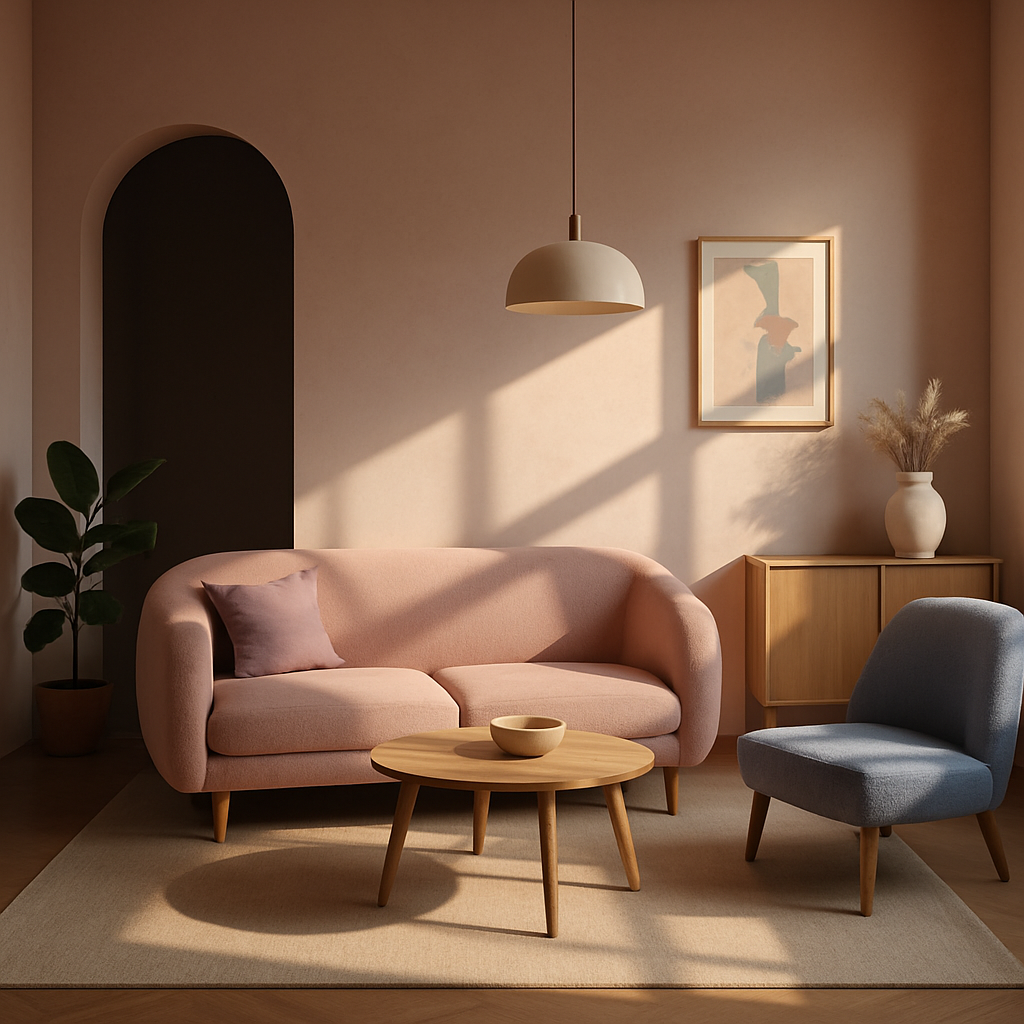
Imagine walking into a room where the lighting adjusts to your mood, the walls change color based on the time of day, and the furniture rearranges itself for optimal space utilization. This isn't a scene from a sci-fi movie-it's the exciting reality of AI-driven interior design. With artificial intelligence at the forefront, interior design is undergoing a transformation, making it more dynamic, personalized, and efficient than ever before. In this article, we will explore foundational AI concepts in interior design, delve into data-driven analyses, offer actionable strategies, and provide expert-level insights into this burgeoning field. By unraveling these layers, you'll discover how AI is not just a tool but a game-changer in creating spaces that are both functional and aesthetically pleasing.
Understanding AI in Interior Design: Foundational Concepts
At its core, AI in interior design is about leveraging technology to enhance creativity and functionality. Artificial intelligence algorithms can analyze vast amounts of data to identify patterns and preferences, which designers can use to tailor spaces to individual needs. For instance, AI can assess a client's preferences by analyzing their Pinterest and Instagram activity, providing insights that guide the design process. This technology also enables the creation of virtual design models, allowing designers and clients to visualize spaces before any physical changes are made.
Another significant advancement is the integration of AI with AR/VR (augmented reality/virtual reality) tools. These technologies allow clients to 'walk through' their designs in a virtual space, making it easier to make informed decisions. According to Houzz's annual survey data, nearly 40% of homeowners reported higher satisfaction when they could visualize their projects before completion. This technology reduces the guesswork and enhances the client's confidence in the design choices.
AI's capabilities extend beyond visualization to smart home integration, where lighting, climate control, and even window treatments are automated for convenience and energy efficiency. The International Interior Design Association (IIDA) highlights that these smart integrations not only improve functionality but also increase a property's market value by 5-15%. As we transition into this new era, understanding these foundational concepts is crucial for both designers and homeowners looking to maximize their spaces.
As we move from foundational understanding, it's essential to explore how AI is actively shaping design decisions with real-world data and analytics.
AI-Driven Design: Data and Deep Analysis
In the realm of interior design, AI's impact is most profound in how it uses data to inform design decisions. Advanced machine learning algorithms analyze demographic, behavioral, and preference data to predict design trends and consumer needs. For example, data from the American Society of Interior Designers (ASID) indicates a growing preference for biophilic design, which integrates natural elements into interiors. AI can track this trend by analyzing social media hashtags and online searches related to natural materials and living walls.
AI also facilitates sustainable design choices by analyzing data on materials' environmental impacts. Platforms like Architectural Digest's AD PRO network offer designers access to databases of sustainable materials, enabling them to make informed choices that align with both client preferences and environmental considerations. Experienced professionals often note that clients are increasingly seeking eco-friendly options, a trend reflected in industry data showing a 20% increase in demand for sustainable interiors over the past five years.
Furthermore, AI's predictive analytics can forecast design trends, allowing designers to stay ahead of the curve. This capability is particularly valuable in a field where trends can shift rapidly. By analyzing current data and predicting future shifts, AI empowers designers to create timeless spaces that remain relevant. Transitioning from data analysis, we now delve into practical strategies that leverage AI to transform interior spaces.
Actionable Strategies for AI-Enhanced Design
Implementing AI in interior design isn't just for tech-savvy designers-it's accessible to anyone willing to embrace new tools. One practical strategy is using AI-powered design software like Autodesk's Homestyler, which allows users to create 3D models of their spaces. This tool offers a user-friendly interface for both professionals and DIY enthusiasts to experiment with different layouts and color schemes without the cost of physical alterations.
Another strategy involves leveraging smart home technology to enhance functionality and aesthetics. Products like Lutron's automated lighting systems can be integrated into design plans to offer customizable lighting solutions. These systems adapt to natural light levels, reducing energy consumption while enhancing the ambiance. Have you considered how such technology might change the way you experience your home?
For those seeking a more sustainable approach, AI tools can help identify eco-friendly materials and suppliers. Platforms such as Houzz provide directories of sustainable products, making it easier to source materials that align with green design principles. As consumers become more environmentally conscious, integrating sustainability into design is not just an option-it's a necessity. With these strategies, AI becomes an invaluable ally in creating innovative and responsible designs. Next, we'll explore expert insights that further illuminate AI's role in interior design.
Expert Insights: AI's Role in Shaping Design Trends
Industry experts widely recognize AI as a catalyst for innovation in interior design. The National Council for Interior Design Qualification (NCIDQ), a leading certifying body, emphasizes that AI tools help bridge the gap between client expectations and technical feasibility. By providing precise measurements and layout options, AI ensures that designs are both practical and visually appealing.
AI also plays a pivotal role in enhancing client-designer collaboration. Through platforms like SketchUp, designers can present their ideas in interactive formats, allowing clients to make real-time adjustments. This collaborative approach not only streamlines the design process but also empowers clients to contribute actively to the creation of their spaces. How might this level of engagement change the way you approach your next design project?
Furthermore, AI's capabilities extend to cost management. By analyzing past project data, AI can provide accurate cost estimates, helping clients budget more effectively. As the IIDA highlights, transparency in cost management is a key factor in client satisfaction. With AI's assistance, designers can offer more reliable pricing models, ensuring projects stay within budget while meeting aesthetic goals. Having explored expert insights, we will now examine additional depth in AI's transformative journey within the industry.
The Transformative Journey of AI in Interior Design
The journey of AI in interior design is marked by continuous innovation and adaptation. As AI technology evolves, so does its application in creating more personalized and efficient design solutions. One notable trend is the rise of quiet luxury, characterized by understated elegance and minimalism. AI aids in achieving this aesthetic by analyzing consumer preferences and recommending subtle yet impactful design elements.
Additionally, AI is instrumental in promoting Japandi style, a harmonious blend of Japanese minimalism and Scandinavian warmth. This trend emphasizes simplicity and functionality, which AI supports by suggesting space-saving furniture and multifunctional layouts. According to industry consensus, the ability to merge cultural aesthetics is a unique advantage offered by AI, allowing for diverse and inclusive design solutions.
AI's role in procurement is equally transformative. By predicting demand and optimizing supply chains, AI reduces lead times and ensures timely delivery of materials. This efficiency is crucial in maintaining project timelines and budgets, enhancing overall project satisfaction. As AI continues to revolutionize the industry, it's important to consider the broader perspectives that shape its future impact.
Final Perspectives on AI's Impact
As AI technology continues to advance, its potential to revolutionize interior design becomes increasingly apparent. The integration of AI into design processes not only enhances creativity but also addresses practical concerns such as cost efficiency and sustainability. For designers and clients alike, AI offers a pathway to more informed and satisfying design experiences.
Looking ahead, the continued collaboration between AI developers and design professionals will likely yield even more sophisticated tools and applications. As these partnerships strengthen, the possibilities for innovation in interior design are virtually limitless. The question remains: how will you, as a homeowner or designer, harness the power of AI to enhance your spaces?
This exploration of AI's transformative role in interior design sets the stage for a future where technology and creativity coexist harmoniously. In the conclusion, we'll summarize key insights and provide a clear call to action for those eager to embrace AI's potential.
Conclusion: Embrace the Future of Design
In summary, AI is not merely a tool for the future but a transformative force actively reshaping interior design today. From foundational concepts to expert insights, AI offers unparalleled opportunities to create spaces that are both beautiful and functional. By harnessing AI's capabilities, designers can offer personalized experiences that cater to individual tastes while adhering to budgetary and environmental considerations.
As you consider your next design project, start by exploring AI-powered platforms like Autodesk Homestyler or SketchUp. Even dedicating 20 minutes to researching these tools can significantly enhance your understanding of AI's potential. With AI by your side, the possibilities for innovative and sustainable design are endless. Are you ready to revolutionize your space?



Comments
Post a Comment