Revamp Your Space: How AI is Transforming Interior Design Trends
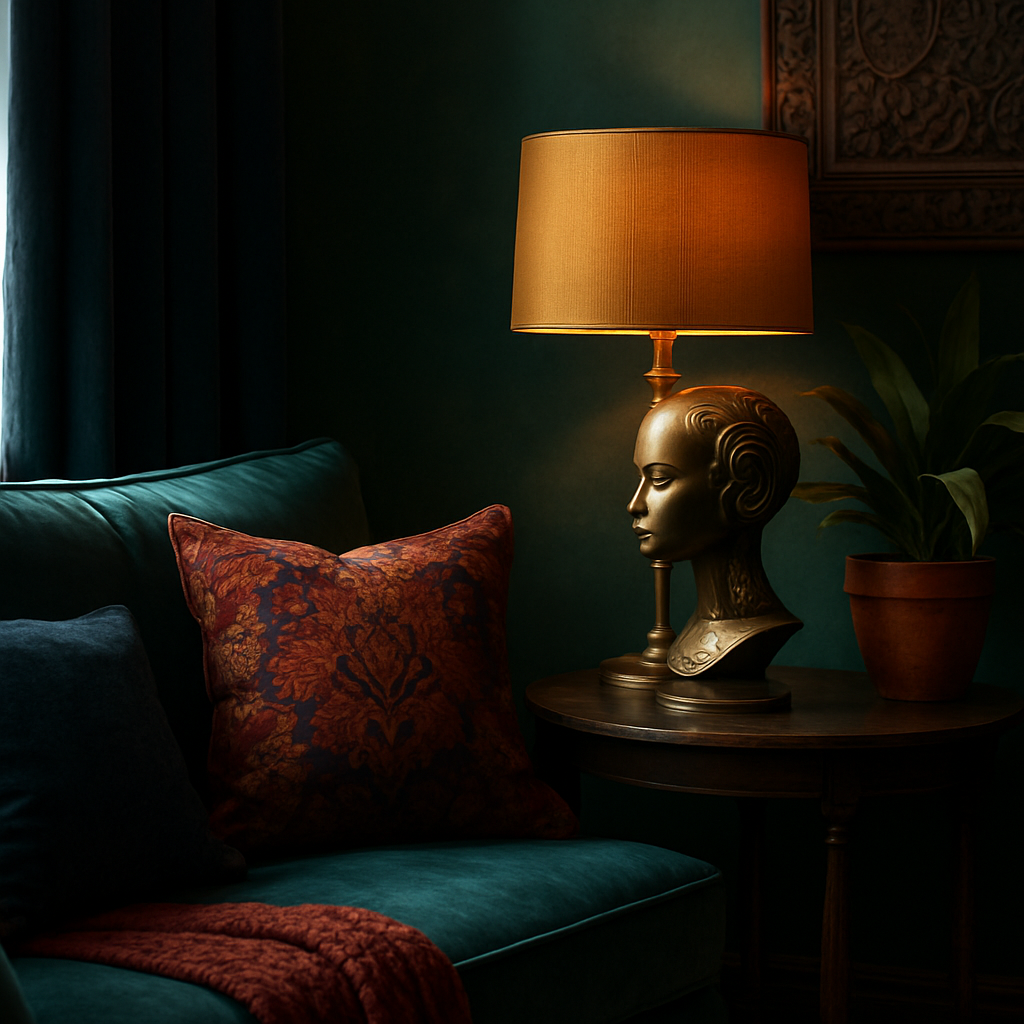
Imagine walking into your living room and seeing it transformed into a serene oasis, perfectly tailored to your tastes, all thanks to artificial intelligence. According to a recent survey by Houzz, 35% of homeowners are already exploring smart home integrations in their design projects, underscoring the surge of AI's influence in interior design. This technological revolution isn't just about convenience; it's reshaping how spaces are designed, personalized, and experienced. In this article, we'll explore the foundational concepts of AI in interior design, delve into the data supporting its impact, provide actionable strategies for incorporating AI into your projects, and offer expert-level insights into this exciting evolution.
The Role of AI in Interior Design: Foundational Concepts
Artificial intelligence in interior design is more than a passing trend; it's a powerful tool reshaping the industry. At the heart of AI's utility is its ability to analyze vast amounts of data, allowing designers to create spaces that truly resonate with their clients' needs and preferences. For example, AI-driven platforms like Planner 5D leverage machine learning algorithms to generate design options that reflect the latest styles and functional requirements. This not only streamlines the design process but also enhances creativity by offering a plethora of ideas and inspirations.
Moreover, AI can assist in space planning by predicting traffic flow and optimizing layouts for functionality. Tools such as Autodesk's Revit employ AI to simulate various design scenarios, helping designers visualize how different elements will interact in a space. These simulations can be particularly valuable for identifying potential issues before they arise, saving both time and money. The integration of AI in these processes marks a significant shift from traditional methods, which relied heavily on manual drafting and guesswork.
But what does this mean for you as a homeowner or a design enthusiast? Essentially, AI democratizes design expertise, making it more accessible and personalized. Are you curious about how AI can predict and cater to your personal style preferences? By analyzing your past choices and current trends, AI can suggest design elements that align with your aesthetic, ensuring a cohesive and satisfying end result. This foundational understanding sets the stage for exploring deeper insights into AI's transformative effects on interior design.
AI's Impact on Interior Design: Data and Analysis
As AI continues to evolve, its impact on interior design becomes increasingly evident through measurable data and trends. According to an ASID report, 42% of interior designers are now using AI tools to enhance their design processes. This adoption is driven by AI's ability to analyze consumer data, predict trends, and deliver customized solutions with unprecedented accuracy. For instance, AI can analyze social media platforms like Instagram and Pinterest to identify emerging design trends, providing designers with real-time insights into what's currently in vogue.
Moreover, AI facilitates sustainable design by optimizing material usage and reducing waste. Platforms like Material Bank use AI to recommend eco-friendly materials based on a project's specific requirements, contributing to more sustainable design practices. This is crucial in an era where environmental consciousness is paramount, and clients are increasingly demanding sustainable solutions. By integrating AI, designers can not only meet these demands but also exceed them by proposing innovative, eco-friendly alternatives.
Beyond sustainability, AI's analytical capabilities extend to enhancing project management. AI-powered tools can predict timelines, budget constraints, and resource availability, allowing designers to manage projects more efficiently. Have you ever faced a project delay due to unforeseen issues? AI's predictive analytics can minimize such risks by providing accurate forecasts and contingency plans. This data-driven approach not only boosts efficiency but also enhances client satisfaction by delivering projects on time and within budget.
Incorporating AI into Your Design Process: Actionable Strategies
Integrating AI into your interior design process may seem daunting, but with the right strategies, it can be a seamless enhancement. Start by exploring AI-powered design tools that offer virtual room visualization. Platforms like SketchUp and AutoCAD now incorporate AI features that allow you to experiment with different layouts and color schemes before making any physical changes. This not only saves time and resources but also ensures that your final design aligns with your vision.
Another strategy is leveraging AI for personalized design recommendations. Tools such as Modsy use AI to create 3D renderings of your space, offering tailored furniture and decor suggestions based on your style preferences and budget. By utilizing such tools, you can gain a clearer understanding of how different design elements will look and feel in your space, making more informed decisions.
Finally, consider using AI for smart home integration. As smart homes become more prevalent, incorporating AI-driven systems for lighting, climate control, and security can enhance both the functionality and comfort of your space. Experienced professionals often note that starting with a single smart feature, like automated window treatments, can gradually lead to a fully integrated smart home ecosystem. These actionable strategies provide a practical roadmap for incorporating AI into your next design project.
Expert Insights: Navigating the AI-Driven Design Landscape
The integration of AI in interior design is not only a technological advancement but also an opportunity for designers to enhance their creativity and efficiency. According to industry experts from the IIDA, embracing AI-driven tools can lead to more innovative and client-centered design solutions. The key is understanding how to balance AI's capabilities with human intuition and creativity. For instance, while AI can suggest optimal layouts and materials, the designer's artistic vision is crucial for creating spaces that evoke emotion and connection.
Moreover, certified interior designers (holding NCIDQ credentials) are increasingly incorporating AI into their workflows to enhance their service offerings. By combining AI's analytical power with their expertise, these professionals can deliver highly bespoke and effective design solutions. Are you working with a certified designer? If so, inquire about how they integrate AI into their process to ensure you're benefiting from the latest advancements.
Additionally, experts emphasize the importance of staying informed about AI developments. As AI technology continues to advance, keeping abreast of the latest tools and techniques can provide a competitive edge. Engaging with professional networks like the ASID and attending industry conferences can offer valuable insights into how AI is shaping the future of interior design. This expert-level detail underscores the importance of continuous learning and adaptation in an evolving design landscape.
AI and the Future of Interior Design: Additional Depth
Looking ahead, the role of AI in interior design is poised to grow even further, with innovations on the horizon that promise to revolutionize the industry. For example, augmented reality (AR) and virtual reality (VR) applications are being integrated with AI to provide immersive design experiences. These technologies enable clients to virtually walk through their redesigned spaces, offering a level of engagement and precision that was previously unattainable.
Furthermore, AI's potential extends to enhancing design accessibility. By analyzing user data, AI can suggest modifications that improve the functionality and inclusivity of a space for individuals with disabilities. This aspect of AI in design not only broadens the scope of who can benefit from professional interior design but also aligns with broader movements towards universal design principles.
Finally, the economic benefits of AI in interior design cannot be overlooked. With more efficient design processes and enhanced client satisfaction, AI can contribute to increased profitability for design firms. The commonly cited statistic that well-designed interiors can yield 5-15% higher resale value reinforces the financial advantages of leveraging AI in design projects. This additional depth highlights the multifaceted impact of AI on the future of interior design and its potential to drive industry growth.
Final Perspectives on AI in Interior Design
In conclusion, AI is not just a tool but a transformative force in the world of interior design. From streamlining processes to enhancing creativity and client satisfaction, AI offers numerous benefits that are reshaping how designers approach their craft. As you consider incorporating AI into your design projects, reflect on how these technologies can address specific challenges you face, whether it's optimizing space usage or integrating smart home features.
The journey to embracing AI in design is one of continuous exploration and adaptation. By staying informed and open to new technologies, you can ensure your spaces are not only aesthetically pleasing but also functional and future-ready. Are you ready to revolutionize your design approach with AI? The potential for innovation is vast, and the time to embrace it is now.
Conclusion
In summary, AI is revolutionizing interior design trends by offering tools that enhance efficiency, creativity, and personalization. From foundational concepts to expert insights and actionable strategies, AI's impact is both profound and evolving. As you embark on your next design project, consider how AI can optimize your process and elevate your space. Start by exploring AI-driven design tools and smart home integrations, and consult with certified interior designers who are adept at utilizing these technologies.
For those eager to dive deeper, begin by browsing designer portfolios on platforms like Houzz or connecting with industry networks such as the ASID. Even dedicating 20 minutes a week to research can significantly sharpen your design eye and prepare you for the future of interior design. Embrace the AI revolution and see how it can transform your space into a personalized haven that reflects your style and meets your needs.


Comments
Post a Comment