Minimalist vs. Maximalist: Which Interior Design Style Suits You Best?
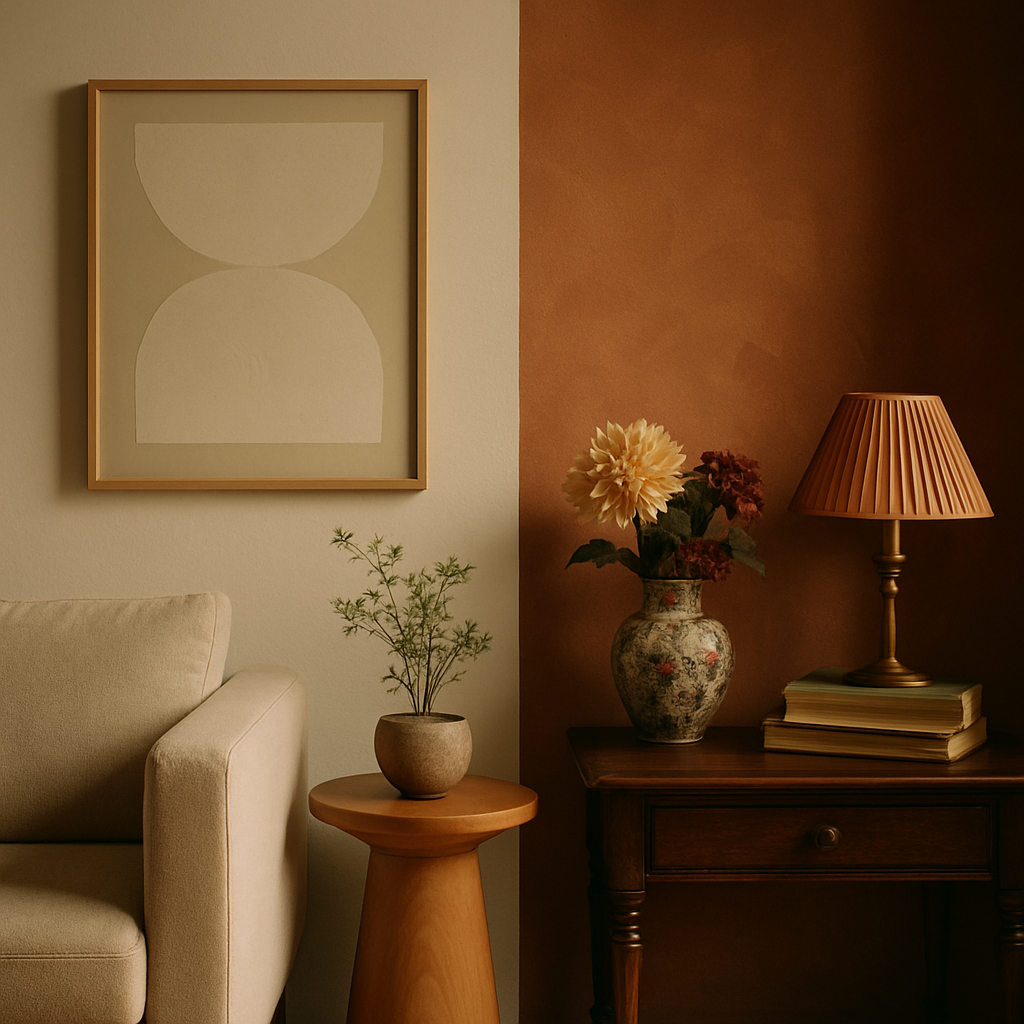
Are you drawn to clean lines and simple palettes, or do you prefer bold patterns and vibrant colors? Choosing between minimalist and maximalist interior design styles can be a challenge, but understanding each can help you create a space that truly reflects your personality. According to a recent survey by Houzz, nearly 70% of homeowners reported satisfaction with their chosen design style, indicating the importance of making the right choice. This article will explore the foundational concepts of minimalist and maximalist design, delve into deeper analyses supported by data, provide actionable strategies, and offer expert-level insights to help you decide which style best suits your taste and needs.
Understanding Minimalism and Maximalism
Minimalist interior design focuses on simplicity and functionality. It involves the use of neutral color palettes, streamlined furniture, and a "less is more" approach. This style emphasizes open spaces and natural light, often incorporating elements of biophilic design like plants and natural materials. As the International Interior Design Association (IIDA) notes, minimalism is about creating a serene environment that fosters tranquility and clarity.
In contrast, maximalism embraces boldness and abundance. This style is characterized by vibrant colors, eclectic patterns, and a mix of textures. It encourages personal expression through the incorporation of art, collectibles, and unique decor items. According to Architectural Digest's AD PRO network, maximalism is about telling a story and showcasing individuality through design elements that may seem chaotic but are thoughtfully curated.
Understanding these foundational concepts is crucial as they form the basis of any design decision. Whether you find peace in the simplicity of minimalism or joy in the vibrancy of maximalism, knowing what these styles entail will guide you in crafting a space that feels truly yours. As we explore further, consider how each style resonates with your lifestyle and personal taste.
Diving Deeper: Data-Driven Insights
Industry surveys suggest that minimalism is often favored for its perceived contribution to mental clarity and reduced stress. According to the American Society of Interior Designers (ASID), a clutter-free environment can enhance focus and productivity, making minimalism a popular choice for home offices and study areas. Moreover, minimalist spaces often require less maintenance, appealing to those with busy lifestyles.
On the other hand, maximalism is celebrated for its ability to create a warm, inviting atmosphere. According to Houzz annual survey data, homes with maximalist interiors often receive higher satisfaction ratings for entertainment spaces. The abundance of colors and textures can make guests feel welcome and stimulated, encouraging social interaction and conversation.
These data-driven insights highlight the functional benefits of both styles. Whether you're looking to create a productive workspace or a lively social hub, understanding the practical implications of minimalism and maximalism can help you make an informed decision. As we move forward, consider how these insights align with your personal and functional needs in your living space.
Actionable Strategies for Your Space
To incorporate a minimalist approach, start by decluttering your space. Remove unnecessary items and focus on essential pieces that serve a purpose. Use a neutral color palette to create a calming environment, and consider investing in quality over quantity. Experienced professionals often note that the key to successful minimalism lies in the art of restraint-selecting a few impactful items that speak to you.
For those leaning towards maximalism, don't be afraid to mix and match. Layer different patterns and textures to add depth and interest to your space. Incorporate bold colors and personal artifacts to tell your story. The National Council for Interior Design Qualification (NCIDQ) suggests using a consistent theme or color to tie disparate elements together and avoid a chaotic look.
These strategies offer practical guidance on implementing your chosen style. Whether it's through careful curation in minimalism or creative layering in maximalism, these tips can help you transform your living space into a reflection of your personal style. As we continue, we'll delve into expert-level details that can further refine your design decisions.
Expert Insights and Considerations
Certified interior designers often emphasize the importance of scale and proportion in both minimalist and maximalist designs. In minimalism, ensuring that each piece of furniture complements the space is crucial for maintaining balance. In maximalism, scale helps manage the visual impact of multiple elements, ensuring the space feels cohesive rather than overwhelming.
Another expert consideration is the role of lighting. Minimalist spaces benefit from natural light to enhance openness, while maximalist interiors can use strategic lighting to highlight key features and create ambiance. Platforms like Houzz offer inspiration for lighting designs that complement both styles.
These expert insights highlight the nuanced details that elevate a design from good to great. By paying attention to scale, proportion, and lighting, you can refine your approach and achieve a harmonious balance in your space. As we explore additional depths, think about how these insights can be applied to your specific context and preferences.
Additional Depth: Cultural and Emotional Aspects
Beyond aesthetics, both minimalist and maximalist styles carry cultural and emotional significance. Minimalism often resonates with those seeking simplicity in a fast-paced world. It echoes Japanese design principles and the Scandinavian concept of "hygge," promoting coziness and contentment through simplicity.
Maximalism, conversely, allows for cultural expression and nostalgia. It can reflect a rich tapestry of influences and memories, offering a sense of warmth and familiarity. This style often appeals to those who find joy in visual stimulation and storytelling through their surroundings.
Understanding these cultural and emotional dimensions can deepen your connection to your chosen style. Whether you crave the serenity of minimalism or the vibrancy of maximalism, recognizing the underlying motivations can enhance your design journey. As we conclude, consider how these aspects resonate with your personal narrative.
Final Perspectives on Choosing Your Style
Deciding between minimalist and maximalist interior design styles ultimately comes down to personal preference and lifestyle needs. Minimalism offers tranquility and focus, ideal for those who value simplicity and functionality. Maximalism provides warmth and expressiveness, perfect for those who thrive on creativity and vibrancy.
As you reflect on the insights shared, think about how each style aligns with your daily life and emotional well-being. Do you prefer a serene retreat or a lively, personalized space? Your answer will guide you towards the style that suits you best, ensuring your home is a true reflection of who you are.
With these final perspectives in mind, you're equipped to make an informed decision. As we move to the conclusion, consider the practical steps you can take to begin your design transformation.
Conclusion: Take the Next Step
In summary, both minimalist and maximalist interior design styles offer unique benefits and challenges. By understanding the core principles, analyzing data-driven insights, and applying actionable strategies, you can create a space that resonates with your personality and lifestyle. Now that you have a clearer understanding, why not start by exploring design portfolios on Houzz or Pinterest this week? Even a brief session of research can inspire your next steps and help you visualize your ideal space.
Ultimately, the choice between minimalism and maximalism is a deeply personal one. We encourage you to take the time to reflect on what truly brings you joy and comfort in your home. Your design journey begins here-embrace it with confidence and creativity.



Comments
Post a Comment