Minimalism to Maximalism: Finding Your Perfect Home Interior Design Style
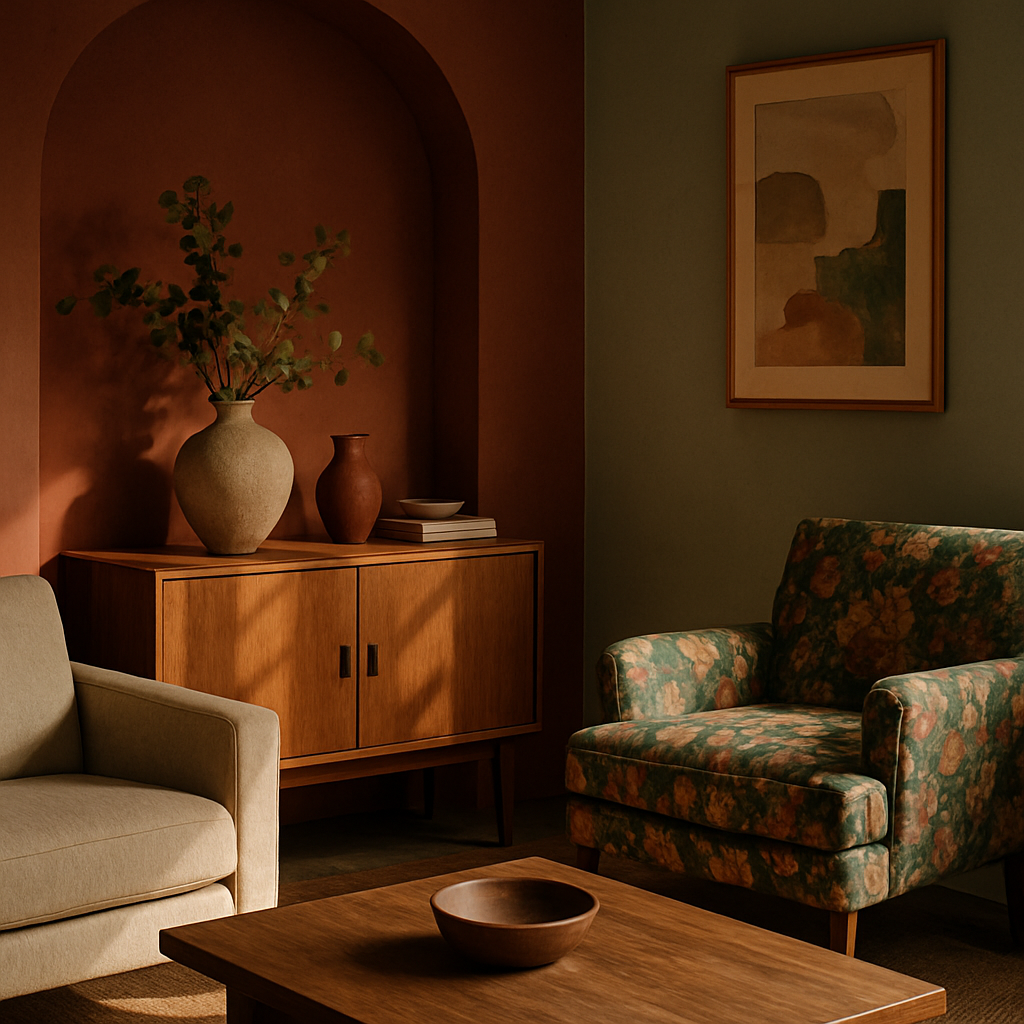
Have you ever walked into a home and felt instantly at ease, while another made you feel overwhelmed? The secret often lies in the interior design style-be it minimalism or maximalism. According to a Houzz survey, 66% of homeowners prefer spaces that feel open and uncluttered, yet there's a growing trend towards embracing bold, eclectic interiors. This article will explore how to find your sweet spot on the spectrum from minimalism to maximalism. Whether you seek the calming influence of a minimalist space or the vibrant energy of maximalist decor, we'll delve into foundational concepts, data-driven insights, actionable strategies, and expert advice to guide you in crafting a home that truly reflects your personal style.
Understanding Minimalism and Maximalism
Minimalism is rooted in the principle of "less is more." It emphasizes simplicity, functionality, and a limited color palette. The International Interior Design Association (IIDA) notes that minimalist spaces focus on clean lines and open spaces, often employing materials like glass, steel, and concrete. This design philosophy aims to create a sense of calm and order by reducing visual clutter. A minimalist interior might feature a single piece of statement furniture or artwork, allowing the space to breathe.
On the other end of the spectrum is maximalism, which embraces the philosophy of "more is more." This style is characterized by bold colors, diverse textures, and a mix of patterns and styles. According to Architectural Digest's AD PRO, maximalism is not about clutter, but about curated abundance. It allows for personal expression through an eclectic mix of decor elements that reflect the homeowner's tastes and interests, often resulting in a space that feels layered and dynamic.
Finding your style on this spectrum requires introspection and an understanding of how each approach impacts your lifestyle and emotional well-being. Ask yourself: Do you thrive in an environment that is serene and orderly, or do you find inspiration in spaces that are richly decorated and full of personality? Understanding these foundational concepts of minimalism and maximalism is crucial as you begin to explore which style resonates with you.
Analyzing Your Preferences with Data
To determine your ideal interior design style, it's helpful to analyze your preferences using data. A study by the American Society of Interior Designers (ASID) found that 47% of individuals feel more relaxed in minimalist environments, while 53% find maximalist settings more stimulating. These statistics suggest that personality traits significantly influence style preferences. Introverts may lean towards minimalism for its calming effect, while extroverts might prefer the expressive nature of maximalism.
Consider conducting a personal audit of your space to gather insights. Take note of the areas in your home where you feel most at ease and those that cause stress or discomfort. According to design experts, understanding these patterns can help you identify elements that align with your natural inclinations. Do you gravitate towards spaces with open, airy layouts, or do you feel more at home in rooms filled with personal memorabilia and vibrant colors?
By comparing your findings with broader trends, you can better understand where your preferences fit within the design spectrum. This data-driven approach not only helps clarify your style preferences but also guides you in making informed decisions about future design projects. As you analyze your preferences, keep an open mind about experimenting with styles that might be outside your usual comfort zone, but offer potential for personal growth and enjoyment.
Actionable Strategies for Style Exploration
Once you have a clearer understanding of your preferences, it's time to explore actionable strategies for incorporating your chosen style into your home. Begin by creating a mood board using platforms like Pinterest or Instagram. These tools allow you to visually experiment with different color schemes, furniture styles, and decor elements. As you curate images that resonate with you, you'll start to notice patterns that reflect either minimalist or maximalist tendencies.
Next, consider the process of decluttering or layering, depending on your style choice. For minimalism, focus on decluttering to remove unnecessary items that detract from the space's simplicity. Adopt the "one in, one out" rule, where each new item requires the removal of an old one. For maximalism, focus on layering textures and patterns to create depth and interest. Experienced professionals often note the importance of balance in maximalist spaces, ensuring that each element complements rather than competes with others.
Finally, invest in key pieces that define your style. For minimalists, this might mean choosing high-quality, timeless furniture pieces. Maximalists might focus on bold, statement pieces that serve as conversation starters. Remember that your home is a reflection of you, and these strategies should empower you to create a space that feels authentic and comfortable.
Expert-Level Insights on Design Styles
For those seeking expert-level insights, consider the role of professional interior designers who are certified by organizations such as NCIDQ (National Council for Interior Design Qualification) or ASID. These professionals bring a wealth of knowledge about integrating both minimalist and maximalist elements into cohesive designs. They can offer personalized advice on how to achieve balance and harmony, even when blending seemingly contrasting styles.
Designers often use advanced tools such as AR/VR room visualization software to help clients envision their spaces before making any changes. This technology allows you to experiment with different styles and layouts in a virtual environment, reducing the risk of costly mistakes. According to industry surveys, clients who utilize these tools report higher satisfaction with their final design choices.
Moreover, designers can provide insights into current trends, such as the growing popularity of biophilic design and sustainable materials. Whether you're drawn to the minimalist appeal of Japandi-a fusion of Japanese minimalism and Scandinavian warmth-or the vibrant layering typical of maximalism, leveraging expert insights can enhance your design journey. These professionals can help you navigate the complexities of style integration, ensuring a seamless transition between different aesthetic elements.
Additional Depth: Balancing Functionality and Aesthetics
While exploring interior design styles, it's essential to consider the balance between functionality and aesthetics. A well-designed home is not only visually appealing but also meets the practical needs of its inhabitants. According to the National Association of Realtors, a thoughtfully designed interior can increase a home's resale value by 5-15%, making it a worthwhile investment.
For minimalists, functionality often takes precedence, with a focus on multi-purpose furniture and efficient layouts. Think about how you use each room in your daily routine. Where do you drop your keys, where do the kids do homework, and where do you unwind after a long day? By mapping out these activities, you can ensure that your minimalist space is not only beautiful but also functional.
Maximalists, on the other hand, may prioritize aesthetics but should not overlook the importance of functionality. Incorporate storage solutions that keep clutter at bay, ensuring that your vibrant spaces remain organized and inviting. Experienced designers recommend using furniture with built-in storage or decorative baskets to maintain a balance between style and practicality. As you explore these considerations, remember that successful interior design is about creating a harmonious blend of form and function.
Final Perspectives on Style Exploration
As you embark on your journey to find the perfect interior design style, be open to the process of discovery. The path from minimalism to maximalism is not a linear one, and your preferences may evolve over time. Embrace the flexibility to adapt and refine your style as you gain new experiences and insights. Remember, your home should be a reflection of your personality and lifestyle, providing both comfort and inspiration.
Consider seeking inspiration from multiple sources, including design magazines, online platforms, and professional consultations. Engaging with a community of design enthusiasts can also provide valuable feedback and fresh perspectives. As you explore different styles, don't be afraid to take risks and experiment with new design elements. The journey may lead you to unexpected discoveries about your tastes and preferences.
Conclusion: Your Next Steps in Interior Design
Finding your perfect home interior design style is a rewarding journey that can transform your living space into a true reflection of who you are. Whether you're drawn to the simplicity of minimalism or the eclectic energy of maximalism, the key is to create a home that resonates with your personal tastes and supports your lifestyle. Start by browsing portfolios on platforms like Houzz or consulting with certified designers to gain deeper insights.
As you move forward, consider setting aside time each week to refine your style through research and experimentation. Even a short 20-minute session can provide inspiration and clarity for your design choices. Remember, the goal is not to rush the process but to enjoy the exploration and the transformation of your home. Your perfect interior design style is within reach, and with careful planning and thoughtful execution, you can achieve a space that is both beautiful and functional.



Comments
Post a Comment