Minimalism Meets Comfort: Key Elements of Modern House Interior Design
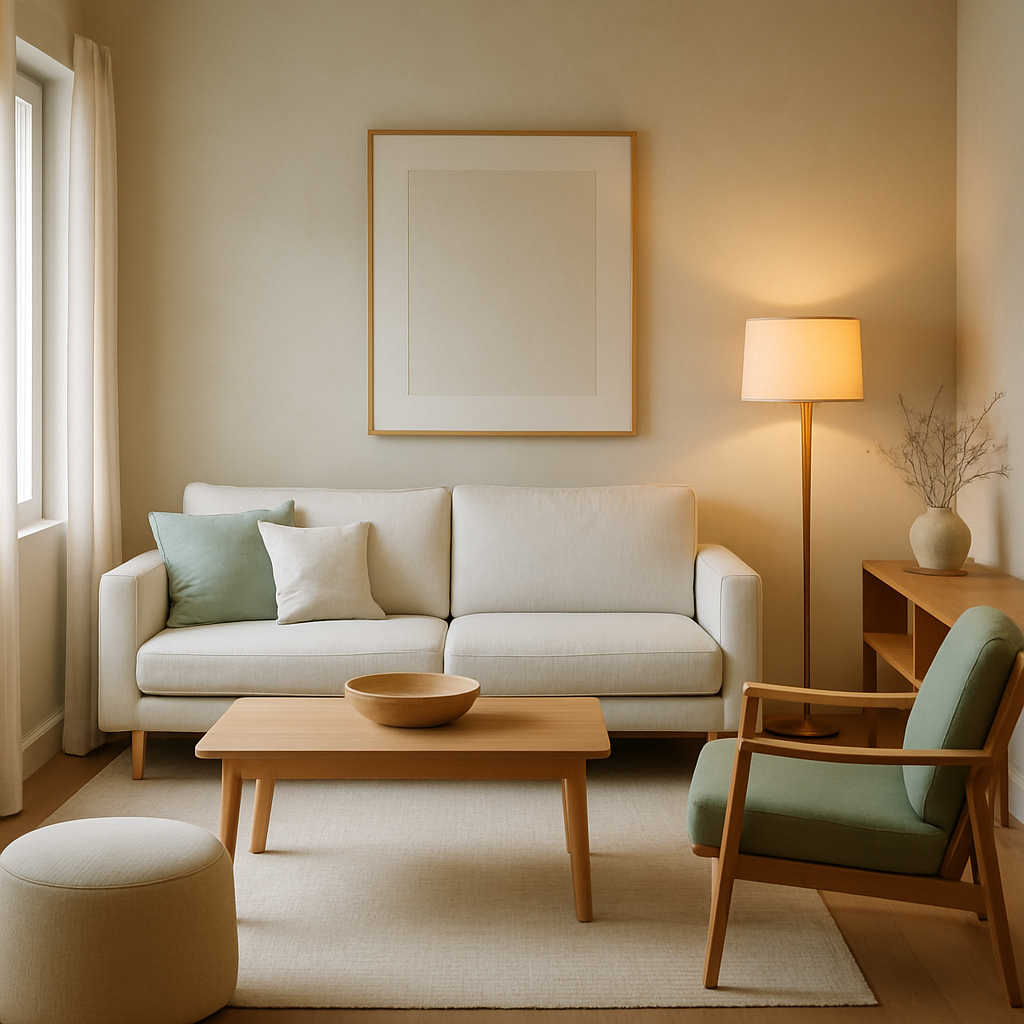
Imagine stepping into a serene, uncluttered living space where every element has its purpose. According to a recent Houzz survey, 73% of homeowners feel more relaxed in rooms designed with minimalist principles. This trend isn't just about aesthetics; it's about crafting a lifestyle that prioritizes peace and function. In this article, we'll explore how modern house interior design marries minimalism with comfort, offering a roadmap to creating spaces that are both stylish and livable. We'll delve into foundational concepts, analyze current trends with supporting data, and provide actionable strategies for your own design projects. Whether you're redesigning a single room or an entire home, these insights will help you achieve a harmonious balance between minimalism and comfort.
Foundational Concepts of Modern Minimalism
At its core, modern minimalism in interior design emphasizes simplicity and functionality. This approach strips away unnecessary elements, creating spaces that are both clean and purposeful. Minimalism isn't about stark emptiness; instead, it focuses on thoughtful reduction, highlighting the essential and removing the extraneous. By decluttering and organizing, minimalism aims to reduce stress and promote tranquility. When applied to interior design, this philosophy encourages the use of neutral color palettes, sleek lines, and open spaces to foster an environment where comfort naturally follows simplicity.
The practice of minimalism doesn't mean you sacrifice comfort. Instead, it integrates comfort through carefully selected furnishings that offer both utility and style. Think of a plush sofa with clean lines or a soft throw blanket artfully draped over a minimalist armchair. These elements add warmth and texture without overwhelming the senses. By choosing furniture and decor that serve dual purposes, you can create a space that feels inviting while maintaining minimalist principles.
Moreover, minimalism in modern house interior design often incorporates natural elements, such as wood and stone, to soften the aesthetic and connect the interior with the natural world. Biophilic design, which emphasizes this connection, has become increasingly popular. This trend not only adds visual interest but also enhances well-being by fostering a sense of harmony with nature. As we transition into the next section, consider how these foundational concepts can be tailored to suit your personal taste and the specific needs of your living space.
Analyzing Trends with Data-Driven Insights
Contemporary interior design trends continue to evolve, with a strong movement towards integrating smart technology with minimalist aesthetics. According to ASID (American Society of Interior Designers), homes featuring smart technology, such as automated lighting and climate control systems, are more desirable, as they offer convenience and efficiency. This integration of technology supports minimalism by reducing the need for manual controls and enhancing the overall user experience.
The trend of sustainable design materials is also gaining traction. Houzz reports an increase in the use of recycled and reclaimed materials, with 39% of homeowners opting for eco-friendly choices in their remodeling projects. By choosing sustainable materials, you contribute to environmental conservation while maintaining a sleek, minimalist look. Consider bamboo flooring or recycled glass tiles as stylish yet sustainable options.
Furthermore, the concept of "quiet luxury" is taking hold in modern design. This trend emphasizes understated elegance, focusing on high-quality materials and craftsmanship rather than ostentatious displays. Experienced professionals often note that quiet luxury can elevate a minimalist space without detracting from its simplicity. As we move forward, we'll explore how to apply these trends in practical ways to your home.
Actionable Strategies for Implementing Minimalism
To effectively implement minimalist design in your home, start by assessing your current space. Identify areas of clutter and consider how each item serves a purpose. Does it bring joy or utility? If not, it might be time to let it go. This process of decluttering can be transformative, creating a sense of calm and order. When everything has a place, your home becomes a sanctuary.
Next, focus on selecting furniture that complements the minimalist aesthetic while offering comfort. Opt for pieces with clean lines and neutral tones. A modular sofa, for instance, provides flexibility and style, allowing you to rearrange as needed. Additionally, incorporating multi-functional furniture, such as ottomans with storage or convertible tables, maximizes utility without compromising on design.
Lighting plays a crucial role in minimalist interiors. Use natural light to your advantage by keeping window treatments simple and unobtrusive. Consider smart lighting solutions that adapt to your daily routine, providing the right ambiance at any time of day. As you refine your minimalist approach, think about how these strategies can enhance both the aesthetic and functional aspects of your home, setting the stage for the expert-level details we'll cover next.
Expert-Level Details on Minimalist Design
Delving deeper into the nuances of minimalist design, it's essential to understand the role of color and texture. A neutral color palette serves as the foundation of minimalist interiors, creating a calming environment. However, incorporating subtle textures through textiles and finishes can add depth and interest. Linen curtains, wool rugs, and matte finishes are excellent choices that provide tactile appeal without overwhelming the space.
Another critical aspect is the strategic use of artwork and decor. In minimalist design, less is more. Select pieces that resonate with you personally, and provide a focal point without cluttering the room. A single large painting or a carefully curated sculpture can serve as a conversation starter and an expression of your style.
Additionally, consider the principles of Japandi design, a blend of Japanese minimalism and Scandinavian warmth. This approach emphasizes functionality, craftsmanship, and natural materials. By incorporating elements of Japandi, you can achieve a minimalist design that feels both sophisticated and inviting. As we continue, we'll explore additional techniques and insights to deepen your understanding of this design philosophy.
Additional Depth on Modern Minimalism
One of the most significant challenges in minimalist design is maintaining the balance between aesthetics and practicality. It's important to remain flexible and open to change as your needs evolve. Experienced professionals often recommend periodic reviews of your space to ensure it still aligns with your lifestyle and preferences. This proactive approach helps you maintain a fresh and functional living environment.
Moreover, incorporating technology can enhance the minimalist experience. AR/VR room visualization tools, now commonly used by designers, allow you to experiment with layouts and designs before committing. This technology provides a risk-free way to explore new ideas and optimize your space effectively.
Finally, consider how your minimalist design can increase your home's resale value. Industry surveys suggest well-designed interiors can yield 5-15% higher resale values. By investing in quality materials and timeless design, you not only enhance your current living experience but also add long-term value to your property. As we wrap up, think about how these insights can inform your future design decisions.
Final Perspectives on Merging Minimalism and Comfort
As you embark on your minimalist design journey, remember that the goal isn't perfection but balance. Minimalism is a highly personal endeavor, and what works for one home may not suit another. Regularly evaluate how each element contributes to your comfort and well-being. Is your space serving you, or are you serving your space? This reflection ensures that your home remains a place of solace.
Furthermore, keep abreast of emerging trends and technologies that can enhance your minimalist design approach. As the industry continues to evolve, new tools and materials will become available, offering fresh opportunities to refine your space. By staying informed, you can make thoughtful decisions that enhance both the functionality and aesthetic of your home.
As we conclude, consider how these perspectives can be applied to ongoing and future projects, ensuring a harmonious balance between minimalism and comfort in your living spaces.
Conclusion
In summary, merging minimalism with comfort in modern house interior design involves a thoughtful approach that prioritizes simplicity, functionality, and personal expression. By incorporating current trends, such as smart technology and sustainable materials, you can create a space that is both stylish and practical. Remember to reflect on how each design choice aligns with your lifestyle and enhances your home's overall experience.
Ready to start your minimalist design transformation? Begin by browsing portfolios on Houzz and Instagram this week. Even just 20 minutes of research can sharpen your eye for what resonates with you. Embrace the journey of creating a space that offers peace, functionality, and a touch of luxury.


Comments
Post a Comment