Maximizing Productivity: Essential Office Interior Design Tips You Need to Know
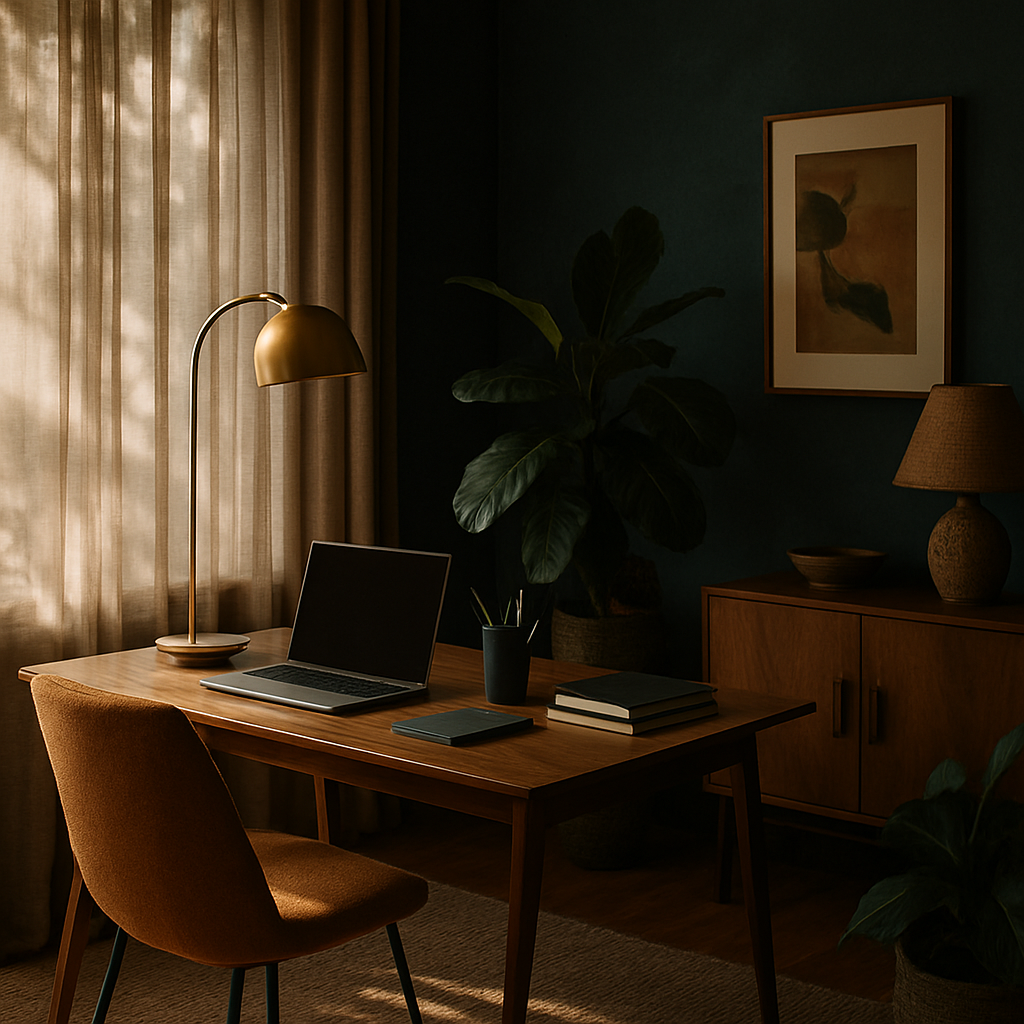
Did you know that an optimally designed office can boost productivity by up to 20%? According to the American Society of Interior Designers (ASID), the environment you work in plays a crucial role not only in how much you accomplish but also in how you feel throughout the day. The layout, lighting, and even the color of your office walls can significantly impact your efficiency and creativity. This article will delve into the essential office interior design tips that can transform your workspace into a productivity powerhouse. We'll explore foundational concepts, analyze data-backed strategies, offer actionable steps, and provide expert-level insights to ensure your office supports your best work.
Understanding the Basics of Office Design
To maximize productivity, it's vital to start with the basics of office design. The layout of your office space is crucial. Open-plan offices have gained popularity for fostering collaboration, but they can also lead to distractions. According to a survey by Houzz, 55% of employees in open-plan offices report increased interruptions. Thus, creating a balance between open spaces and private areas is essential. Consider using partitions or flexible furniture arrangements to define different zones within your office.
Lighting is another foundational element that affects productivity. Natural light is a powerful tool, as it enhances mood and energy levels. The National Institute of Mental Health suggests that exposure to natural light can improve concentration and reduce stress. If your office lacks windows, consider full-spectrum lighting to mimic daylight. This can reduce eye strain and keep your energy levels consistent throughout the day.
Color psychology also plays a role in office design. Different colors can evoke different emotions and energies. For instance, blue is known for its calming effect and ability to enhance focus, making it ideal for high-concentration tasks. Meanwhile, green is associated with creativity and innovation. When designing your office, think about what activities you'll be performing and choose colors that support those goals. With these foundational concepts in mind, you can start to build a workspace that truly supports productivity.
The next step is to delve deeper into these concepts by examining data and real-world examples that illustrate their impact.
The Impact of Design Choices: Data and Analysis
When it comes to office design, the numbers tell a compelling story. Research conducted by the International Interior Design Association (IIDA) found that 90% of high-performing employees attribute their productivity to a well-designed workspace. This statistic underscores the importance of making informed design choices that enhance workflow and morale.
One notable trend in office design is the integration of biophilic elements, such as plants and natural materials. A study by the University of Exeter revealed that workplaces with natural elements see a 15% increase in well-being and a 6% rise in productivity. This is because natural elements help reduce stress and increase feelings of tranquility, making them a valuable addition to any office.
Another key consideration is the use of ergonomic furniture. Investing in adjustable desks and chairs can significantly reduce physical strain and discomfort, allowing employees to focus better. The Occupational Safety and Health Administration (OSHA) reports that ergonomic improvements can lead to a 40% reduction in musculoskeletal disorders. Implementing these data-backed strategies not only enhances productivity but also shows a commitment to employee well-being.
With this data-driven understanding, we can move on to actionable strategies to implement these insights in your office.
Actionable Strategies for a Productive Office
Now that we've explored the theory and data behind effective office design, it's time to implement these ideas. Start with a comprehensive assessment of your current space. Observe how you and your team use the office: where do you gather for meetings? Where do you need solitude for focus? By mapping out these zones, you can make informed decisions about layout changes.
Consider investing in AR/VR room visualization tools, which are increasingly used by interior designers to help clients envision potential changes. These tools allow you to experiment with different layouts and designs before making any physical changes. According to Architectural Digest's AD PRO network, these technologies are becoming a staple in modern design processes due to their ability to save time and resources.
Another practical step is to declutter and organize your space. A cluttered desk can lead to a cluttered mind. Implement storage solutions that keep your workspace tidy and organized. Consider using vertical storage to maximize space and keep essentials within reach. By taking these actionable steps, you'll be well on your way to creating a more productive office environment.
Having established practical tactics, let's explore expert insights that can elevate your design choices further.
Expert Insights into Office Design
Experienced professionals often note that the most effective office designs are those that prioritize flexibility. As work demands change, so too should your space. Incorporating modular furniture that can be easily rearranged or repurposed allows your office to adapt to different tasks and team sizes. This flexibility is crucial in dynamic work environments.
Additionally, don't underestimate the power of personalized design elements. While the overall office should have a cohesive theme, allowing for personal touches can boost morale and creativity. Encourage team members to personalize their workspaces with items that inspire them. This not only makes the office feel more welcoming but also fosters a sense of ownership and pride in the workspace.
Another expert-level consideration is the integration of smart technology. From automated lighting systems to smart climate control, these technologies can enhance comfort and efficiency. The American Institute of Architects (AIA) highlights that smart systems not only improve energy efficiency but also create environments that are responsive to individual preferences. By implementing these expert insights, you can take your office design to the next level.
Building on this expert knowledge, let's explore additional details that further enhance office productivity.
Additional Design Details for Enhanced Productivity
There are numerous details that can further enhance productivity in your office. One such detail is the inclusion of soundproofing elements. In busy environments, noise can be a significant distraction. Consider using acoustic panels or carpets to absorb sound and create a quieter workspace.
Another important aspect is ensuring that your office has adequate ventilation. Poor air quality can lead to fatigue and decreased concentration. Make sure your ventilation system is efficient, and consider adding air-purifying plants to naturally enhance air quality. The NASA Clean Air Study recommends plants such as snake plants and spider plants for their air-purifying abilities.
Lastly, think about the pathways within your office. Ensure there is enough space for movement without obstruction. This not only adheres to safety standards but also encourages a fluid and dynamic work environment. By focusing on these additional details, you can fine-tune your office to maximize productivity.
As we wrap up our discussion on office design, let's consider the broader implications of these strategies.
Final Perspectives on Office Design
Designing an office for productivity is not just about aesthetics; it's about creating a space that supports your goals and well-being. By understanding the role that layout, lighting, and personalized elements play in your daily work life, you can make strategic decisions that enhance productivity. Have you considered how small adjustments might make a big difference in your office?
It's also important to remember that office design is an ongoing process. As your needs and team evolve, so should your space. Regularly reassess your office design to ensure it continues to meet your needs. This proactive approach will help you maintain a productive and inspiring work environment.
In conclusion, the right office design can transform your work experience. Let's summarize the key points and consider a practical next step.
Conclusion
In summary, maximizing productivity through office interior design involves understanding foundational principles, implementing data-backed strategies, and applying expert insights. From optimizing layout and lighting to integrating smart technology, each element plays a crucial role. Have you mapped out your ideal office design yet? The journey to a more productive office starts with intentional design choices.
Your next step: start by assessing your current workspace. Identify areas for improvement and consider consulting with a certified interior designer, such as those listed in the NCIDQ (National Council for Interior Design Qualification) directory. Begin your transformation by browsing portfolios on Houzz this week - even 20 minutes of research will sharpen your eye for what you want. By taking these steps, you'll be well on your way to creating a workspace that not only enhances productivity but also enriches your overall work experience.



Comments
Post a Comment