Maximizing Aesthetic Appeal: AI Tools That Redefine Interior Decoration
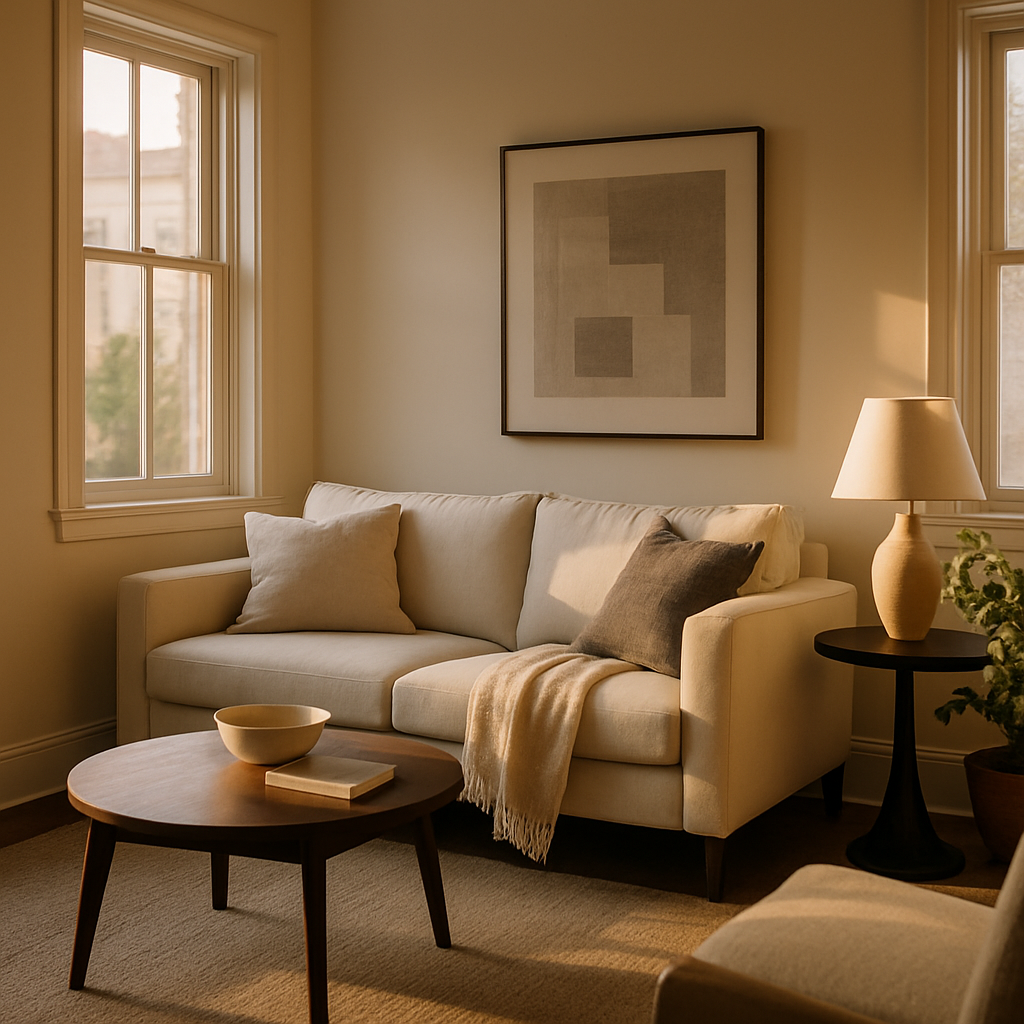
Imagine walking into a room that feels perfectly curated just for you, with colors that soothe your mind and furniture that fits your lifestyle seamlessly. Thanks to the rapid advancement of AI tools in interior decoration, this level of personalized design is becoming more accessible than ever. From smart home integrations to virtual reality room visualization, AI is not just a futuristic fantasy; it's a present-day reality reshaping how we approach interior design. In this article, we'll explore foundational concepts of AI in decoration, delve into data-backed analyses, uncover actionable strategies, and offer expert insights into maximizing your home's aesthetic appeal using AI.
Understanding AI in Interior Decoration
The integration of AI into interior decoration is fundamentally transforming how designers conceptualize spaces. At its core, AI employs algorithms that can process vast amounts of data to predict design preferences and optimize space usage. For instance, platforms such as Houzz utilize AI to sift through thousands of design photos to recommend styles that align with user preferences. This capability allows both designers and homeowners to visualize potential outcomes before making any physical changes.
One of the significant benefits of AI in interior decoration is its ability to harness user data to create personalized design solutions. By analyzing past behavior and preferences, AI can suggest color palettes, furniture styles, and even room layouts tailored to individual tastes. This level of personalization was once the realm of high-end design firms but is now accessible to a broader audience. With platforms like Pinterest leveraging AI to curate user-specific boards, the gap between professional design advice and personal taste is rapidly closing.
Moreover, AI aids in overcoming one of the most common challenges in interior design: decision fatigue. With endless options for colors, layouts, and materials, even the most design-savvy individuals can feel overwhelmed. AI streamlines this process by presenting a curated selection of choices, significantly reducing the time and energy spent on decision-making. As you explore AI tools, consider how they can simplify your own design journey by narrowing down the choices to what truly resonates with you.
Data-Driven Insights: The Power of AI in Design
According to industry surveys, AI-driven design tools are becoming increasingly popular among both amateur decorators and professional designers. A recent study by the American Society of Interior Designers (ASID) found that 67% of designers have integrated some form of AI into their workflow, particularly for generating design concepts and client presentations. This integration is not just about convenience; it's about enhancing creativity and precision in design execution.
AI's capability to analyze data and predict trends is one of its most compelling features. For example, platforms like Architectural Digest's AD PRO utilize AI to forecast upcoming design trends by analyzing patterns in consumer behavior and design preferences. This predictive power allows designers to stay ahead of trends and offer clients cutting-edge solutions. Are you ready to incorporate these insights into your own design projects? Understanding AI's analytical prowess is crucial for anyone looking to stay competitive in the design world.
The data-driven nature of AI tools also means they can continually learn and improve. As more users interact with these tools, they become increasingly adept at predicting user preferences and recommending effective design solutions. This ever-evolving capability ensures that AI tools remain relevant and valuable assets in the toolkit of modern interior designers. As you consider implementing AI in your projects, think about how these insights can enhance your design processes and outcomes.
Actionable Strategies for Using AI in Interior Design
Now that we've established the foundational concepts and data-driven insights, let's explore some actionable strategies for utilizing AI in your interior design projects. First, consider using AR/VR room visualization tools that many designers now employ to give clients a virtual tour of their proposed design. Tools like SketchUp or Homestyler allow you to visualize changes in real-time, making it easier to decide on layouts, colors, and furnishings before any physical work begins.
Another practical application of AI is in smart home integration. By employing smart lighting systems or automated window treatments, you can create dynamic environments that change with your needs and moods. Imagine lights that adjust automatically based on the time of day or blinds that close as the sun sets, enhancing both the functionality and aesthetic of your space. This integration not only improves daily living but also contributes to the overall design narrative of your home.
Finally, consider using AI-powered design platforms for procurement. These platforms can recommend sustainable and cost-effective materials, aligning with current trends in eco-friendly design. By utilizing AI in this way, you can ensure that your design choices are not only aesthetically pleasing but also environmentally responsible. As you explore these strategies, consider how they can align with your design goals and enhance the spaces you inhabit.
Expert-Level Insights: The Role of AI in Professional Design
Experienced professionals often note that AI tools offer a level of precision and consistency that is difficult to achieve manually. The National Council for Interior Design Qualification (NCIDQ) credentials emphasize the importance of these tools in providing industry-standard design solutions. Certified designers use AI to streamline communication with clients, ensuring that all parties have a clear understanding of project goals and progress.
Moreover, AI facilitates more effective collaboration between clients and designers. Platforms such as Houzz enable clients to share their preferences through curated idea books, which designers can then analyze to create tailored design plans. This collaborative approach ensures that the final design is a true reflection of the client's vision, supported by the designer's expertise and the AI's analytical capabilities.
AI also plays a crucial role in the concept development phase of design projects. By using AI tools to generate multiple design options quickly, designers can offer clients a range of possibilities to consider. This not only enhances client satisfaction but also allows designers to experiment with innovative ideas that may not have been considered otherwise. As you delve deeper into AI's role in professional design, consider how these tools can elevate your own projects.
Additional Depth: Overcoming Challenges with AI
While AI offers numerous advantages, it's important to acknowledge the challenges it presents. One common concern is the potential loss of the human touch in design. However, when used thoughtfully, AI can complement rather than replace human creativity. Designers should view AI as a tool that enhances their vision, not as a substitute for their expertise.
Another challenge is ensuring data security and privacy, especially when dealing with personal user data to generate design recommendations. It's essential for both designers and clients to choose reputable AI platforms that prioritize data protection. By doing so, they can enjoy the benefits of AI without compromising personal information. Have you considered how you will address these challenges in your design practice?
Finally, there's the issue of keeping up with rapidly advancing technology. The world of AI is continually evolving, and staying informed about the latest developments is crucial for any design professional. Engaging with industry networks like the International Interior Design Association (IIDA) can provide valuable insights and updates on new AI tools and best practices. By staying proactive, you can ensure your design approach remains both innovative and relevant.
Final Perspectives on AI in Interior Design
As we navigate the integration of AI into interior decoration, it's clear that these tools offer both unprecedented opportunities and challenges. The key to maximizing aesthetic appeal lies in balancing technology with human creativity. AI provides the analytical support and efficiency needed to execute complex design projects, but the final vision always rests with the designer.
Looking forward, the role of AI in design is only expected to grow. As more professionals adopt these tools, the industry will continue to evolve, offering even more refined and personalized design solutions. Are you prepared to embrace these changes and leverage AI's capabilities in your own projects? Reflect on how AI can serve as a valuable ally in achieving your design aspirations.
Conclusion: Embrace the Future of Interior Design
In conclusion, AI tools are revolutionizing the field of interior decoration, providing designers and homeowners alike with powerful resources to achieve stunning results. By understanding the foundational concepts, leveraging data-driven insights, and applying actionable strategies, you can maximize the aesthetic appeal of your spaces. As you consider incorporating AI into your design projects, remember that the ultimate goal is to enhance your vision with the precision and efficiency that these tools offer.
Start by exploring AI-driven design platforms and tools this week. Spend time browsing platforms like Houzz or experimenting with virtual room visualizations. Even a brief exploration can spark new ideas and insights for your projects. Embrace the potential of AI to transform your design process and create spaces that truly reflect your style and aspirations.


Comments
Post a Comment