Maximize Your Space: Innovative Restaurant Interior Design Ideas for Small Venues
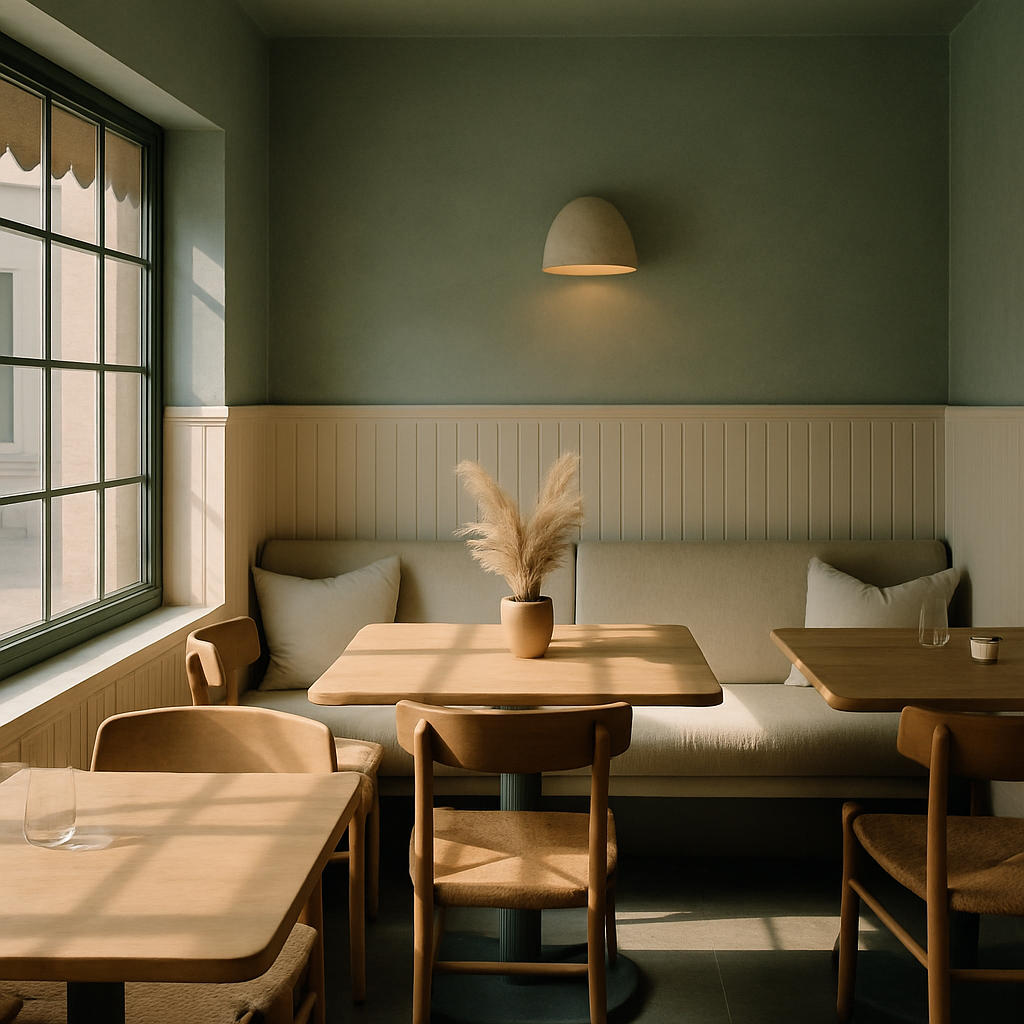
Imagine walking into a bustling café, where every inch is thoughtfully designed to create an inviting and efficient environment. In small venues, maximizing space isn't just a necessity-it's an art form. According to industry surveys, nearly 70% of restaurant patrons say that the ambiance significantly influences their dining experience. This statistic underscores the importance of interior design, especially for small restaurants where space is at a premium. This article explores innovative restaurant interior design ideas, providing foundational concepts, deeper analysis, and expert strategies to help you transform limited space into a dynamic and profitable venue.
Understanding the Basics of Space Utilization
The first step in maximizing your restaurant's interior is understanding the foundational concepts of space utilization. Space planning is crucial in small venues, where every square foot counts. Experienced professionals often note that the flow of movement in a restaurant can directly impact customer satisfaction and staff efficiency. For instance, a poorly arranged dining area can lead to congestion, frustrating both patrons and employees.
To combat this, start by analyzing how your space is currently used. Consider the placement of tables, chairs, the bar, and service areas. The goal is to create a seamless flow that enhances both the dining experience and operational efficiency. A well-thought-out layout can significantly reduce wait times and improve customer turnover, which is essential for maximizing profits in a small venue. Have you mapped out your restaurant's traffic patterns? This simple exercise can reveal bottlenecks and opportunities for improvement.
One popular strategy is the use of multifunctional furniture. Tables that can expand or contract, stools that double as storage, and foldable chairs can all contribute to a versatile space. According to Houzz, incorporating flexible design elements can increase seating capacity by up to 30% without compromising comfort. These foundational concepts are vital as we delve deeper into specific design strategies.
Leveraging Design Trends for Small Spaces
Current design trends can offer valuable insights into maximizing small restaurant spaces. One such trend is biophilic design, which integrates natural elements into interiors. This approach not only enhances aesthetic appeal but also creates a calming atmosphere that can make compact spaces feel more expansive. Industry research suggests that incorporating elements like natural light and greenery can increase patrons' perceived value of a venue by up to 15%.
Another trend gaining traction is the use of smart technology. Automated lighting and climate control systems can optimize energy use while enhancing customer comfort. For example, smart lighting can adjust according to the time of day, creating the perfect ambiance without manual intervention. Are you leveraging technology to boost efficiency and appeal in your restaurant?
Additionally, the Japandi style-an elegant blend of Japanese minimalism and Scandinavian warmth-can be particularly effective in small spaces. This design philosophy emphasizes simplicity, functionality, and natural materials, which can make even the tiniest venues feel inviting and spacious. By incorporating these trends, your restaurant can stand out in a competitive market while maintaining a cozy and welcoming environment.
Practical Strategies for Space Maximization
To truly maximize your restaurant's interior, practical strategies must be implemented. Begin with the furniture layout. Opt for narrow tables and benches that encourage communal dining, a trend that not only saves space but also fosters a lively atmosphere. According to the American Society of Interior Designers (ASID), communal seating can increase seating efficiency by 20%.
Another effective strategy is to utilize vertical space. Wall-mounted shelving, hanging plants, and elevated platforms can free up valuable floor space while adding visual interest. Have you considered how your walls can serve a dual purpose? This approach can be particularly beneficial in small kitchens, where storage is often limited.
Additionally, consider the color palette. Light colors and mirrors can make a space appear larger and more open. Reflective surfaces, such as glass tabletops and mirrored walls, can amplify natural light, creating an illusion of depth. These practical strategies are essential for small venue owners aiming to create a functional and aesthetically pleasing environment.
Expert Insights on Interior Design for Small Venues
Professional insights can provide a deeper understanding of how to effectively design small restaurant interiors. Certified interior designers, such as those holding NCIDQ (National Council for Interior Design Qualification) credentials, emphasize the importance of cohesive design elements. Cohesion not only enhances the visual appeal but also streamlines the overall experience for diners.
Experts from the International Interior Design Association (IIDA) suggest focusing on focal points within the space. A striking piece of art or a unique lighting fixture can draw attention and create a memorable experience for customers. This technique can compensate for the lack of space, offering diners a distinctive atmosphere that encourages repeat visits.
Moreover, the integration of AR/VR tools is revolutionizing the design process. These technologies allow restaurateurs to visualize potential layouts and design elements before implementation. By using these tools, you can experiment with different configurations and aesthetics to determine what best suits your venue's needs. Transitioning from planning to execution, these expert insights are invaluable for ensuring your restaurant's success.
Advanced Techniques for Enhancing Small Spaces
For those seeking to push the boundaries of small venue design, advanced techniques can offer additional depth. Consider the use of modular design, where furniture and decor elements can be easily reconfigured to suit different occasions. This flexibility is particularly useful in small restaurants that host a variety of events.
Another advanced technique is incorporating kinetic architecture. Moveable walls and retractable roofs can transform the space, accommodating varying customer demands. According to Architectural Digest's AD PRO network, such innovations can increase usable space by up to 40% during peak times. Have you explored how architectural flexibility might benefit your venue?
Lastly, sustainable design practices can enhance both functionality and appeal. Using reclaimed materials not only reduces environmental impact but also adds character to the space. This approach aligns with the growing consumer preference for eco-friendly businesses. By adopting these advanced techniques, small restaurants can maximize their space while appealing to environmentally conscious patrons.
Final Perspectives on Small Venue Design
As we wrap up our exploration of small venue interior design, it's important to consider the broader impact of your choices. Thoughtful design not only enhances the customer's experience but can also contribute to higher resale value-a well-designed interior can increase property value by 5-15%, according to industry experts.
Reflect on your design objectives. Are you prioritizing functionality, aesthetics, or a balance of both? Engaging with professional organizations such as ASID or local AIA chapters can provide additional resources and support as you navigate the complexities of restaurant design. These final perspectives underscore the importance of strategic planning and resource utilization in achieving your venue's full potential.
In conclusion, maximizing space in small restaurant venues requires a blend of innovative design ideas, expert insights, and practical strategies. By understanding foundational concepts, leveraging current trends, and applying advanced techniques, you can transform your space into a vibrant and efficient environment that leaves a lasting impression on your patrons. Start by browsing portfolios on Houzz this week-even 20 minutes of research will sharpen your eye for what you want.



Comments
Post a Comment