Maximize Your Space: Creative Interior Design Solutions Found on Houzz
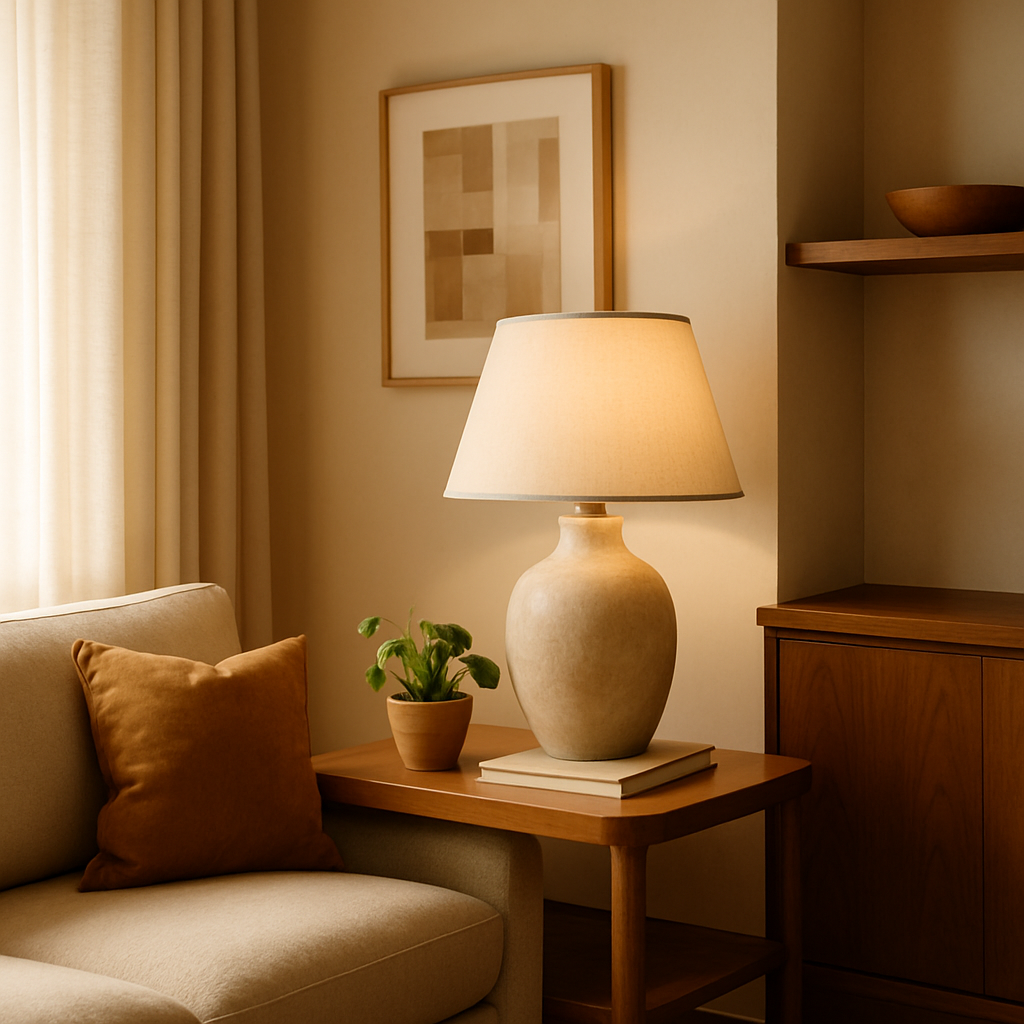
Did you know that a well-designed interior can increase your home's resale value by 5-15%? This statistic, widely cited in industry surveys, underscores the significant impact thoughtful interior design can have on your property. If you're feeling cramped in your current space but aren't ready to move, there are innovative solutions at your fingertips. This article explores how Houzz, a leading platform for interior design inspiration, can help you maximize your space creatively. We will delve into foundational concepts, analyze data, discuss actionable strategies, and provide expert insights to transform your living area into a stylish, functional haven.
Foundational Concepts in Space Maximization
The first step in maximizing your space is understanding the core principles of interior design. A crucial concept is spatial awareness, which involves recognizing how different areas in your home are used and how to optimize them. This might mean rethinking furniture placement to improve flow or eliminating unnecessary items that contribute to clutter. According to the American Society of Interior Designers (ASID), 70% of homeowners find that optimizing space improves both functionality and aesthetics.
Another foundational idea is the effective use of vertical space. Many homes overlook the potential of walls, which can be utilized for storage and decor. Installing shelves or wall-mounted cabinets not only frees up floor space but also draws the eye upward, creating the illusion of a larger area. Houzz projects often feature creative wall solutions, showcasing how vertical space can transform a room.
Finally, consider the role of multi-functional furniture. Pieces like ottomans with hidden storage or sofa beds serve dual purposes, making them perfect for smaller spaces. The International Interior Design Association (IIDA) highlights that incorporating such furniture can lead to a more efficient and versatile home environment. Understanding these foundational concepts is key to making informed design choices.
Analyzing Space Utilization with Data
Data-driven design decisions are becoming increasingly popular, providing insights that can lead to more effective space maximization. Houzz's annual survey reveals that homeowners who engage in thorough research before redesigning tend to be more satisfied with the outcomes. This underscores the importance of planning and analysis. Homeowners often utilize AR/VR room visualization tools to experiment with layouts digitally before committing to changes.
The use of smart home technology is another data-backed trend that enhances space utilization. Automated lighting and climate control allow for more flexible room use, adapting to different needs throughout the day. According to industry experts, integrating smart solutions can reduce energy consumption by up to 30%, a significant factor for environmentally conscious homeowners.
Moreover, Houzz data suggests that minimalist design, characterized by clean lines and open spaces, continues to gain popularity. This approach often involves decluttering and opting for quality over quantity, a strategy supported by 60% of surveyed designers who note an increase in client satisfaction when minimalist principles are applied. Such insights highlight the importance of aligning design choices with data to maximize space effectively.
Actionable Strategies for Your Home
Now that we've covered foundational concepts and data analysis, let's explore actionable strategies you can implement in your home. Start by conducting a room-by-room audit to identify underutilized areas. Ask yourself: Where do I spend the most time? Are there any spaces that feel forgotten? This audit will help you pinpoint areas ripe for transformation.
Next, consider investing in custom storage solutions. Tailored cabinetry or built-in shelving can make a world of difference, especially in kitchens and bathrooms where space is at a premium. Experienced professionals often note that custom solutions, although initially more expensive, offer better personalization and long-term satisfaction compared to off-the-shelf options.
Finally, embrace the trend of biophilic design, which incorporates natural elements like plants and natural light into your home. Not only does this enhance aesthetics, but it also improves air quality and well-being. According to Houzz, integrating greenery into interiors is linked to a 20% increase in perceived space, as natural elements draw the eye outward and create a sense of openness. As you implement these strategies, keep in mind how each decision affects the overall flow of your space.
Expert Insights for Advanced Design
For those looking to delve deeper, expert insights can offer advanced strategies to further maximize your space. Certified interior designers, particularly those with NCIDQ (National Council for Interior Design Qualification) credentials, bring a wealth of knowledge to the table. They can provide personalized design plans that cater to your home's unique layout and your lifestyle needs.
One technique favored by professionals is the use of light and color to manipulate perception. Lighter shades can make a room feel more expansive, while strategic lighting can highlight focal points and add depth. The American Institute of Architects (AIA) often recommends combining natural and artificial light sources to achieve a balanced and inviting atmosphere.
Additionally, professionals suggest considering the flow between indoor and outdoor spaces. Creating a seamless transition, perhaps through large glass doors or consistent flooring materials, can extend your living area and make it feel more connected to the outdoors. This approach not only maximizes space but also enhances the overall livability of your home. As you explore these expert strategies, consider how they align with your design goals and budget.
Additional Depth: Budgeting and Planning
Understanding your budget is crucial when planning a redesign. Interior design projects can vary significantly in cost, with single-room makeovers ranging from $5,000 to $15,000, and full-home renovations reaching upwards of $150,000. It's essential to determine your financial limits early in the process to avoid overextending.
Fee structures for hiring a designer also vary. You might encounter flat fees, hourly rates (typically between $150-$500 per hour), or a percentage of the total project cost, usually around 10-25%. Understanding these options can help you choose the best professional for your needs. Engaging with platforms like Houzz allows you to compare designer portfolios and pricing, ensuring you find a fit that matches both your aesthetic and budgetary requirements.
Planning is another critical aspect. The typical project phases-concept development, design presentation, procurement, installation, and styling-each require careful coordination. Houzz offers resources and tools to help manage these phases, ensuring a smoother process and more successful outcome. As you navigate budgeting and planning, remember that thorough preparation is the key to maximizing your space effectively.
Final Perspectives on Maximizing Space
Maximizing space is not just about fitting more into your home but enhancing how you live in it. By applying the strategies discussed, from foundational concepts to expert-level insights, you can create a space that feels both expansive and personal. How do you envision your ideal living space? Reflecting on this question can guide you in making choices that resonate with your lifestyle.
It's also essential to stay informed about emerging trends and technologies. Platforms like Houzz provide a wealth of inspiration and community support, keeping you updated on the latest in interior design. Whether you're incorporating sustainable materials or experimenting with Japandi aesthetics, staying current ensures your space remains modern and functional.
As you continue your design journey, remember that maximizing space is an ongoing process. Regularly reassess your needs and adapt your home accordingly. With the right approach, your living area can continually evolve to meet your changing lifestyle.
Conclusion
In conclusion, maximizing your space through creative interior design is a multifaceted process that can significantly enhance your home's functionality and appeal. By leveraging resources like Houzz and consulting with certified professionals, you can implement effective strategies tailored to your unique environment. Are you ready to transform your home? Start by browsing portfolios on Houzz this week-even 20 minutes of research will sharpen your eye for what you want. Embrace the journey of design, and watch your space become a true reflection of your style and needs.



Comments
Post a Comment