Maximize Your Home's Potential: A Guide to Affordable Interior Design Services
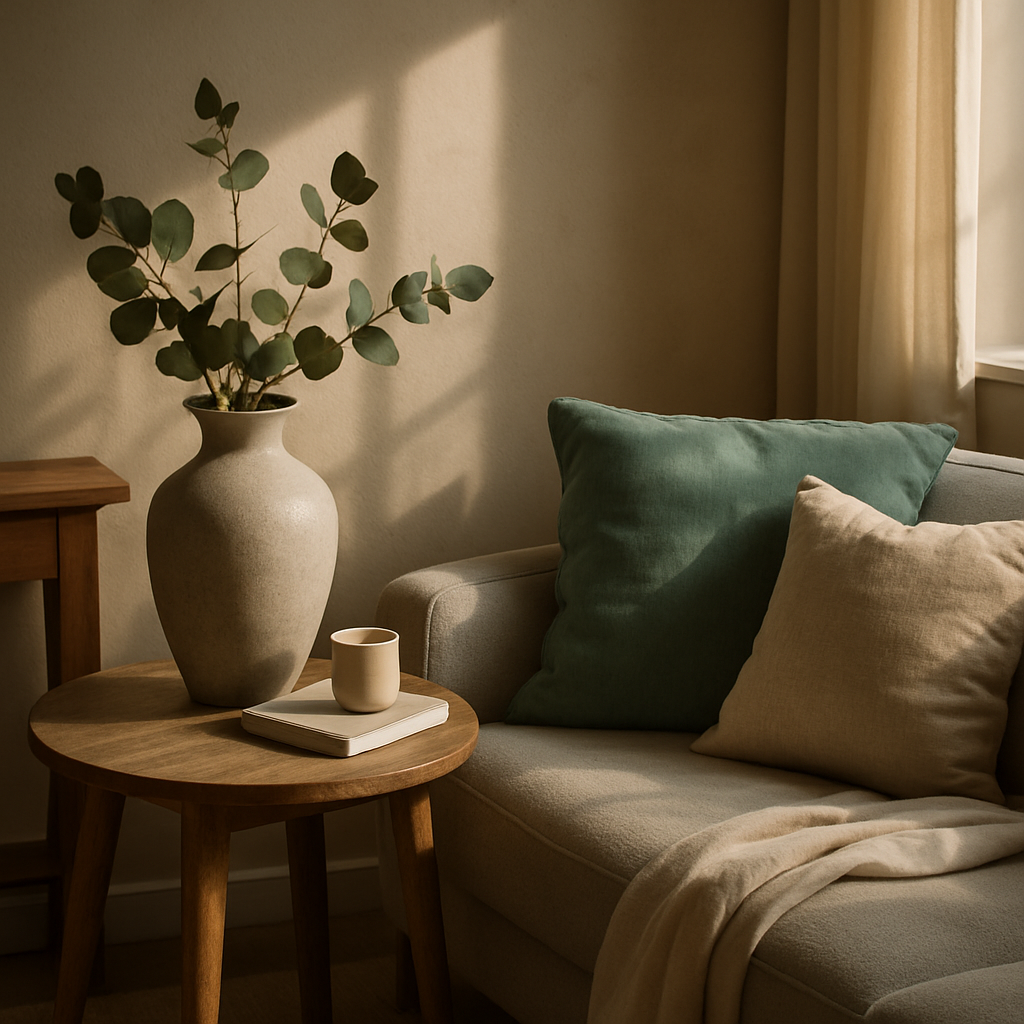
Have you ever walked into a room that instantly felt like home, even if it wasn't yours? The magic of interior design can transform ordinary spaces into extraordinary experiences. But what if you don't have a fortune to spend? Maximizing your home's potential with affordable interior design services is not only possible but also more accessible than ever. This guide will explore foundational concepts, provide deeper insights with data, and offer actionable strategies for budget-friendly transformations. We'll delve into expert-level details and highlight additional depth to ensure you get the most out of your design journey. By the end, you'll know exactly how to approach your project with confidence.
Understanding the Foundations of Affordable Interior Design
Before diving into specifics, it's crucial to understand the foundational concepts of affordable interior design. Many homeowners believe that professional interior design services are out of reach, reserved only for the affluent. However, the truth is that design services can be tailored to fit almost any budget. The key lies in understanding the difference between certified interior designers, who hold credentials like the NCIDQ (National Council for Interior Design Qualification), and decorators who may not have formal certifications but can offer aesthetic advice.
Certified interior designers often charge higher rates, typically between $150-$500 per hour, due to their extensive training and expertise. However, engaging a decorator or a newly certified designer can provide similar results at a fraction of the cost. These professionals often charge flat fees or hourly rates that are more budget-friendly. For instance, a single room redesign might range from $5,000 to $15,000, depending on the scope and materials used.
Another foundational aspect is understanding fee structures. Designers may charge a percentage of the total project cost, usually between 10% and 25%, or they may apply procurement markups on furniture and materials. By negotiating these terms upfront, you can ensure that your budgetary constraints are respected. As you consider your options, remember that a well-designed interior can increase your home's resale value by 5-15%, according to industry surveys.
Analyzing Data to Inform Your Design Decisions
Data-driven decisions are invaluable when maximizing your home's potential. According to Houzz's annual survey, homeowners who invest in professional design services report higher satisfaction levels and better resale values. This survey highlights that even modest investments in design can yield significant returns, both in terms of personal enjoyment and market value. For example, incorporating biophilic design elements, such as natural materials and indoor-outdoor flow, has become increasingly popular for its calming effects and aesthetic appeal.
Additionally, the American Society of Interior Designers (ASID) provides comprehensive research on consumer spending trends in the interior design industry. Their findings suggest that while some opt for DIY projects, the guidance of a professional can help avoid costly mistakes. Experienced professionals often note that strategic investment in key areas-like lighting, paint, and textiles-can transform a space without a full-scale renovation.
Considering these insights, it's evident that leveraging data can help you make informed design choices that align with your budget and style preferences. Have you considered how data might influence your design decisions? As we move forward, you'll discover actionable strategies to implement these insights effectively.
Actionable Strategies for Budget-Friendly Design
When it comes to actionable strategies, the first step is to identify priorities. What are the most important changes you want to see in your space? By focusing on a few key areas, you can allocate your budget more effectively. Consider starting with high-impact areas like the living room or kitchen, where updates are most noticeable. Small changes, such as updating light fixtures or repainting walls, can make a significant difference.
Next, leverage technology to your advantage. Platforms like Pinterest and Instagram serve as rich sources of inspiration and ideas. These platforms allow you to explore different styles and save examples that resonate with you. Meanwhile, emerging tools, such as AR/VR room visualization, enable you to view potential designs in your actual space before committing to any purchases. This reduces the risk of buyer's remorse and ensures that your selections work harmoniously together.
Moreover, consider shopping for second-hand furniture and decor. Thrift stores, online marketplaces, and estate sales can be treasure troves of unique pieces at a fraction of retail prices. Combining these finds with a few new items can create a curated look that reflects your style without overspending. As we transition to more expert-level details, these strategies lay the groundwork for a successful design project.
Expert-Level Insights into Affordable Design
Delving into expert-level insights, one critical factor is understanding the lifecycle of design trends. Trends like Japandi, which blends Japanese minimalism with Scandinavian warmth, and quiet luxury, which emphasizes understated elegance, are currently popular. However, experts advise focusing on timeless elements that won't quickly become outdated. This ensures your investment remains relevant and valuable over time.
The role of sustainability in design is also gaining prominence. Experienced professionals highlight the benefits of using sustainable and reclaimed materials. Not only do these choices support eco-friendly initiatives, but they also add character and uniqueness to your home. Have you considered how using sustainable materials could enhance your space? This approach aligns with broader societal shifts towards environmentally conscious living.
Finally, engaging with professional organizations can enhance your understanding of the design landscape. The International Interior Design Association (IIDA) and local chapters of the American Institute of Architects (AIA) offer resources and networking opportunities to connect with skilled designers. These connections can lead to collaborations that bring fresh perspectives and innovative solutions to your project. With these expert insights, you're now equipped to explore additional depth in affordable design.
Adding Depth to Your Design Approach
To add depth to your design approach, consider the phases of a typical design project: concept development, design presentation, procurement, installation, and styling. Each phase offers opportunities to refine your vision and make strategic choices. During concept development, for example, focus on creating a cohesive theme that resonates with your personal style. This will guide subsequent decisions and ensure a harmonious outcome.
In the design presentation phase, seek feedback from trusted friends or family to gain new perspectives. Their input can reveal potential oversights or offer creative suggestions you might not have considered. As you move into procurement, prioritize quality over quantity. Investing in a few high-quality pieces will provide a solid foundation for your design, while accessories and accents can be updated as trends evolve.
Finally, during installation and styling, pay attention to detail. The placement of furniture, art, and decor can significantly impact the overall feel of a room. Experienced professionals often emphasize the importance of creating focal points and balancing visual elements to achieve a polished look. With this comprehensive approach, you're poised to explore final perspectives on maximizing your home's potential.
Final Perspectives on Maximizing Your Home's Potential
As you embark on your design journey, remember that maximizing your home's potential is about more than aesthetics; it's about creating a space that supports your lifestyle and well-being. Whether you're refreshing a single room or reimagining your entire home, affordable interior design services offer the expertise and creativity needed to achieve your goals.
Reflect on the space you live in daily. Are there areas that could better serve your needs with a few adjustments? By applying the strategies and insights shared here, you can make informed decisions that align with your vision and budget. The transformation process can be both rewarding and empowering, providing you with a renewed sense of ownership and pride in your home.
Conclusion: Take the First Step Today
In summary, affordable interior design services provide a pathway to unlocking your home's true potential. By understanding foundational concepts, leveraging data, and applying actionable strategies, you can achieve a stunning transformation without breaking the bank. The expert insights and depth of knowledge shared here equip you to navigate the design process with confidence and creativity.
Ready to start your journey? Begin by browsing portfolios on Houzz or checking out local designers through the ASID directory. Even dedicating just 20 minutes to research this week will sharpen your eye for what you want in your space. With the right guidance and a clear vision, you'll be well on your way to creating a home that truly reflects your style and meets your needs.


Comments
Post a Comment