Maximize Your Creativity: A Beginner's Guide to Interior Design Apps
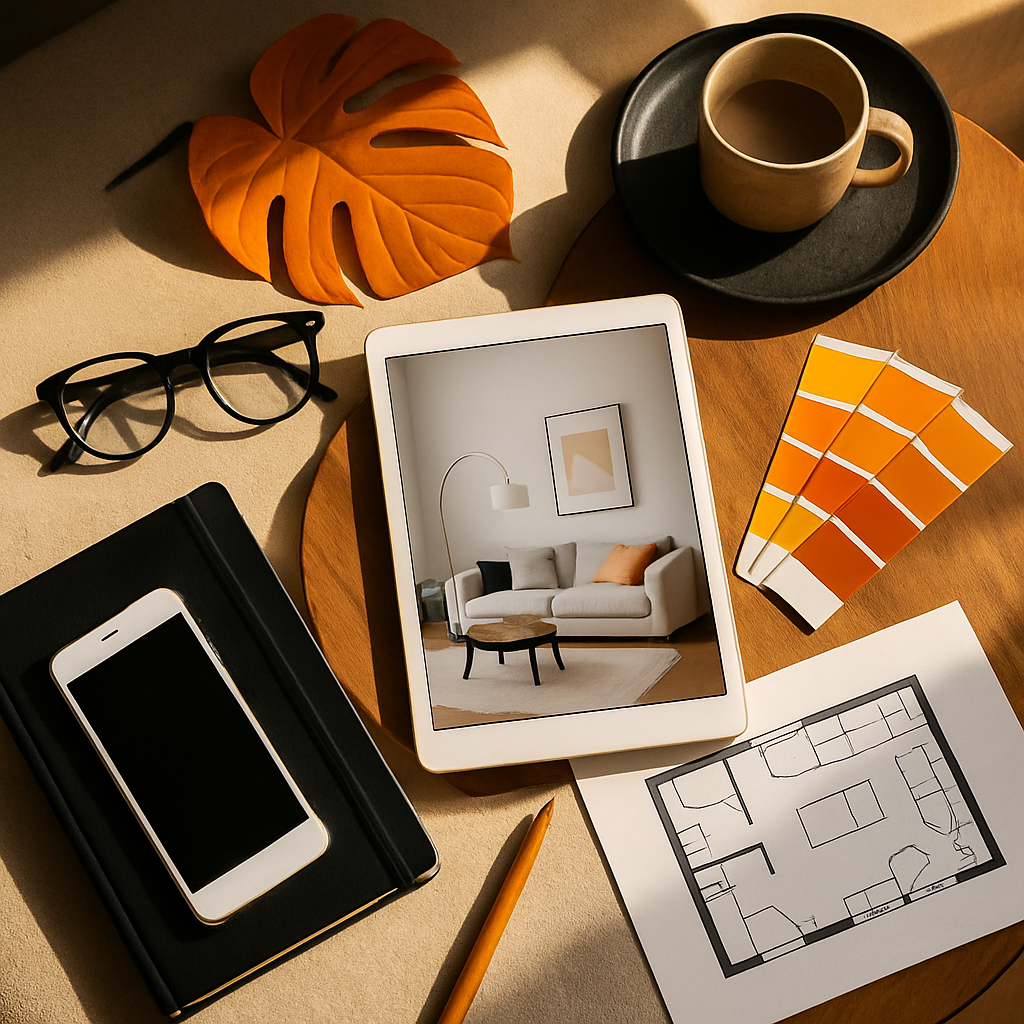
Have you ever wondered how some people can transform an ordinary room into a stunning masterpiece? The secret often lies in the tools they use. Recent industry surveys suggest that over 70% of amateur designers and homeowners are turning to interior design apps to simplify and enhance their creative process. These digital tools are revolutionizing the way we visualize and execute design projects, providing both inspiration and practical solutions at our fingertips. In this guide, we will explore how interior design apps can maximize your creativity, delve into the foundational concepts of using these apps, analyze their impacts with real data, and offer actionable strategies for beginners. Join us as we uncover expert-level details and additional insights for leveraging technology in your design endeavors.
Understanding the Foundation of Interior Design Apps
Before diving into the world of interior design apps, it's essential to grasp what these tools offer. At their core, interior design apps serve as digital platforms that provide users with the ability to visualize design concepts through augmented reality (AR), create mood boards, and even draft floor plans. Apps like Houzz and Pinterest have become household names, offering extensive libraries of images and ideas to spark creativity. These platforms are indispensable for both professional designers and DIY enthusiasts because they bridge the gap between imagination and reality.
Interior design apps also democratize the design process. By making professional-grade tools accessible to anyone with a smartphone or tablet, these apps empower users to experiment with different styles, colors, and layouts without committing to costly mistakes. This aspect is particularly appealing to beginners who might feel overwhelmed by the prospect of redesigning a space. With the ability to visualize changes in real-time, users gain confidence in their design choices.
Moreover, many interior design apps incorporate features that streamline collaboration between users and professional designers. For instance, apps like SketchUp allow users to share their designs with industry professionals for feedback and advice. This collaborative approach not only enhances the final outcome but also provides invaluable learning opportunities for those new to interior design. As we move forward, we'll look at how these foundational features translate into tangible benefits backed by data.
The Impact of Interior Design Apps: Data and Insights
To truly understand the impact of interior design apps, we must consider the data behind their usage and effectiveness. According to a recent study by the American Society of Interior Designers (ASID), homeowners who utilize design apps report a 30% increase in satisfaction with their renovation projects. This statistic underscores the role of these apps in elevating the user experience and ensuring that design visions are accurately realized.
The financial implications are also significant. Industry reports indicate that using design apps can reduce project costs by up to 15% by minimizing errors and optimizing material usage. For example, an app like HomeByMe allows users to create detailed 3D models of their spaces, helping to avoid costly miscalculations in measurements and material orders. This efficiency not only saves money but also accelerates project timelines, making these apps an attractive option for budget-conscious designers.
Moreover, the integration of smart home technology within design apps is reshaping how we interact with our living spaces. Apps such as Planner 5D offer features that integrate smart lighting and climate control, allowing users to simulate how these systems will function within their designs. This foresight is crucial as the trend towards smart homes continues to grow. As we delve into actionable strategies, consider how these data-driven insights can inform your approach to using design apps effectively.
Actionable Strategies for Using Interior Design Apps
Now that we've explored the foundational aspects and impacts of interior design apps, let's discuss actionable strategies for beginners. First and foremost, it's crucial to start with a clear vision of what you want to achieve. Are you looking to redesign a single room or your entire home? By defining your goals upfront, you can better navigate the features that each app offers and select the one that best suits your needs.
Once you've clarified your vision, take advantage of the visualization tools that many apps provide. For instance, using AR features in apps like IKEA Place can help you see how furniture pieces fit within your space before making a purchase. This strategy not only boosts confidence in your decisions but also prevents the hassle of returns and exchanges. As you experiment with different layouts and styles, don't hesitate to utilize the mood board features in apps like Morpholio Board to gather and organize your ideas.
Additionally, consider the benefits of collaborating with a professional designer through app platforms. Sharing your designs with an NCIDQ-certified designer can provide insights and adjustments that elevate your project. Remember, however, that even with professional input, the ultimate goal is to create a space that resonates personally with you. As we transition into expert-level details, think about which strategies resonate most with your design aspirations.
Expert-Level Tips for Maximizing App Potential
Experienced professionals often note that the key to maximizing the potential of interior design apps lies in understanding the nuances of each tool. For instance, mastering the use of advanced features in apps like AutoCAD can significantly enhance your ability to draft precise floor plans. This level of detail is essential for those looking to undertake larger, more complex projects.
Another expert tip is to stay updated on the latest app features and trends. Design technology is rapidly evolving, with new updates and functions being introduced regularly. Subscribing to newsletters from platforms like AD PRO can keep you informed about the latest tools and techniques that can be integrated into your design process. Continuous learning and adaptation are crucial for staying ahead in the dynamic world of interior design.
Finally, don't underestimate the power of user feedback. Many apps have vibrant user communities where you can share experiences and learn from others. Engaging with these communities can provide new perspectives and ideas that you might not have considered. As we explore additional depth, reflect on how expert insights can shape your approach to using design apps.
Exploring Additional Depth in Design Apps
In addition to foundational and expert-level strategies, there are other aspects of interior design apps worth exploring. One such aspect is the integration of sustainability features in apps like Ecobee. As sustainable design continues to gain traction, these apps can offer tools to measure and reduce your project's ecological footprint, aligning your renovation with eco-friendly practices.
Furthermore, consider the benefits of using apps that offer virtual reality (VR) features. VR tools, such as those available in Foyr Neo, allow you to immerse yourself in a virtual walkthrough of your design, providing a realistic sense of scale and proportion. This feature can be particularly beneficial when experimenting with spatial arrangements and furniture placements.
Lastly, think about the role of personalization in your design journey. Apps like Design Home offer elements that can be customized to reflect your unique tastes and preferences. By leveraging these features, you can create a space that feels truly personal and inviting. As we transition to final perspectives, consider how these additional tools can enhance your design experience.
Final Perspectives on Interior Design Apps
As we conclude our exploration of interior design apps, it's clear that these tools offer a wealth of opportunities for creativity and efficiency. Whether you're a beginner or an experienced designer, there's immense value in leveraging technology to enhance your design process. The key is to approach these apps with an open mind and a willingness to experiment with different features and strategies.
Remember, the ultimate goal of using design apps is to create spaces that resonate with you personally. By combining the foundational concepts, data insights, and expert tips discussed here, you can embark on a design journey that is both enjoyable and rewarding. As we wrap up, reflect on how you might integrate these perspectives into your next project.
Conclusion
In summary, interior design apps hold the potential to transform how you approach design projects, offering innovative tools that maximize creativity and streamline the process. From foundational features to expert-level insights, our guide has provided a comprehensive look at how these apps can revolutionize your design journey. As you consider your next steps, we encourage you to start by exploring some of the apps mentioned here. Begin by downloading a few and experimenting with their features. Even dedicating 20 minutes to familiarize yourself with these tools can sharpen your design skills. Remember, the possibilities are endless when you harness the power of technology to bring your design visions to life.


Comments
Post a Comment