Maximize Space: Innovative House Interior Design Ideas for Small Homes
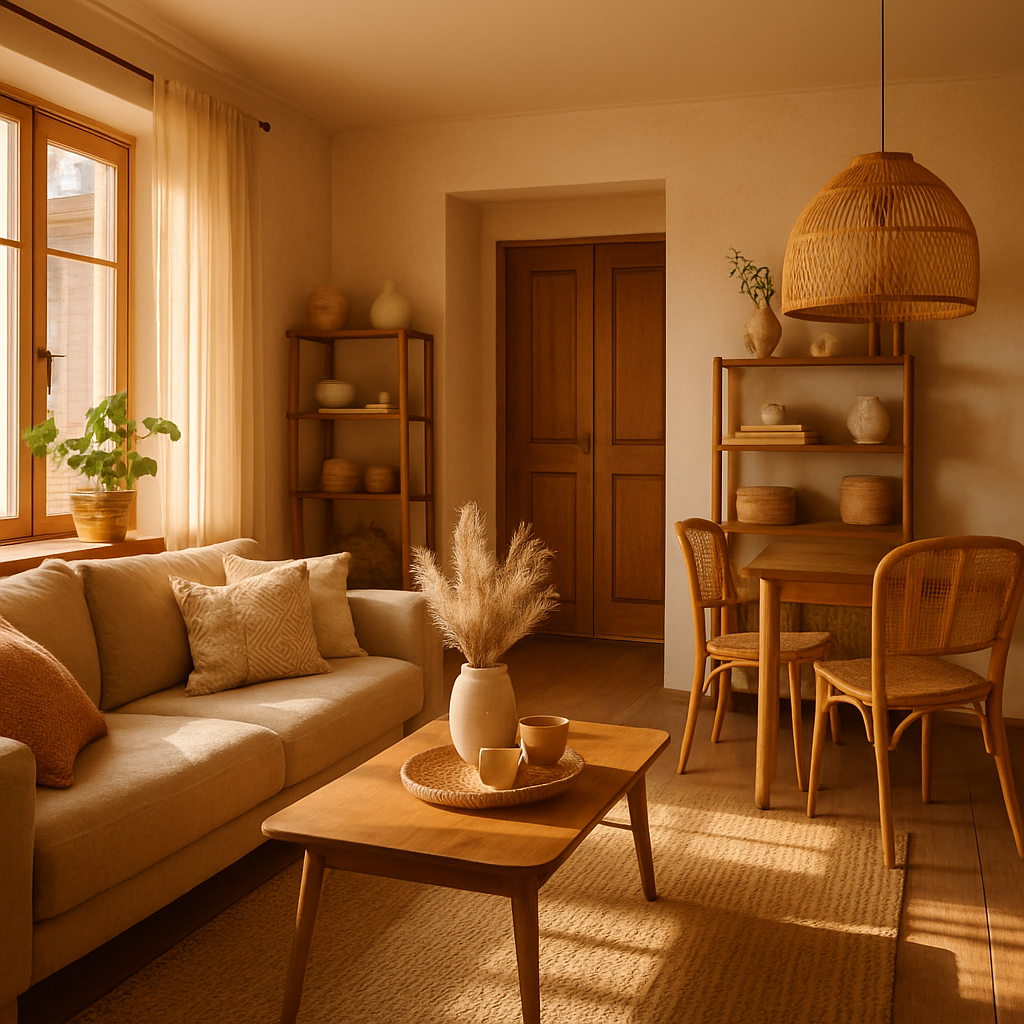
Feeling cramped in your own home? You're not alone. According to industry surveys, more than 60% of homeowners with small spaces struggle to make their homes both functional and stylish. But there's good news: with the right interior design strategies, even the smallest home can feel open and inviting. This article explores innovative ideas that maximize space, focusing on foundational concepts, the latest trends backed by data, and actionable strategies you can implement. We'll also dive into expert-level details and offer additional depth on how to transform your small home into a comfortable haven. Ready to unlock the full potential of your limited square footage?
Understanding Foundational Concepts in Small Space Design
Before diving into specific design ideas, it's crucial to understand some foundational concepts. The first is the principle of multipurpose furniture. In small homes, every piece of furniture should serve more than one function. Consider a sofa bed that doubles as a guest bed or a coffee table with built-in storage. These items not only save space but also add functionality. This principle is echoed by the American Society of Interior Designers (ASID), which emphasizes the importance of adaptable furniture in compact spaces.
Lighting is another key component. Natural light can make even the smallest room appear larger. If natural light is scarce, strategically placed mirrors can reflect light and create an illusion of more space. Experienced professionals often note that layering light sources-such as combining overhead lights with table lamps-can add depth and dimension to a room. This approach is particularly useful in spaces that lack architectural interest.
Finally, color plays a vital role in space perception. Light colors, such as soft whites and pale blues, can make a room feel airy and expansive. On the other hand, darker hues tend to absorb light, making spaces feel smaller. Many designers recommend a neutral base palette with pops of color through accessories. This strategy not only opens up the space but also allows for easy seasonal updates. Understanding these foundational concepts sets the stage for more advanced design ideas.
Leveraging Data and Trends in Small Home Design
Data-driven design is a growing trend, and for good reason. According to a 2023 Houzz survey, homeowners who incorporated biophilic design elements reported a 20% increase in satisfaction with their home's ambiance. Biophilic design, which includes natural materials and indoor plants, not only enhances aesthetic appeal but also promotes well-being. This trend is particularly effective in small spaces, where a connection to nature can mitigate feelings of confinement.
Another noteworthy trend is the integration of smart home technology. This includes automated lighting, climate control, and even smart furniture. For instance, smart beds that adjust firmness based on your sleeping position can save space by eliminating the need for additional padding or toppers. According to the Architectural Digest's AD PRO network, the demand for smart home features in small spaces has increased by 15% annually, reflecting their growing importance in modern design.
Japandi design-blending Japanese minimalism with Scandinavian warmth-continues to be popular in small homes. This style emphasizes simplicity, functionality, and a neutral color palette, making it ideal for compact spaces. The clean lines and clutter-free approach not only make a room appear larger but also create a calming environment. By incorporating these data-backed trends, you can craft a home that is both stylish and efficient.
Actionable Strategies for Maximizing Space
Now that we understand the principles and trends, it's time to explore actionable strategies. One effective approach is to use vertical space. Install high shelves or hanging storage to keep the floor area clear. This not only maximizes storage but also draws the eye upward, creating a sense of height. The National Council for Interior Design Qualification (NCIDQ) suggests this technique for adding functionality without overcrowding a room.
Another strategy is to use sliding doors instead of traditional swing doors. Sliding doors require no clearance space, making them perfect for small homes. They can also be designed with mirrors or glass to further enhance light and space perception. Pocket doors, which slide into the wall, are another excellent option for tight spaces.
Finally, consider the layout of your furniture. Open floor plans can be beneficial in small homes, as they allow for better flow and flexibility. Arrange furniture to create distinct zones for different activities, such as a reading nook or a workspace. This not only improves functionality but also prevents the space from feeling cluttered. By implementing these strategies, you'll be well on your way to maximizing the space in your small home.
Expert-Level Details for Design Enthusiasts
For those looking to delve deeper into small space design, consider the role of texture and pattern. Using different textures, such as smooth marble against rough wood, can add interest without overwhelming the space. Patterns should be used sparingly; a single statement piece like a patterned rug can anchor a room without making it feel busy. The International Interior Design Association (IIDA) often highlights this contrast as a way to add depth and sophistication.
Custom-built furniture is another option for maximizing space. Tailored pieces can be designed to fit precisely into nooks and crannies, making use of every inch. Although custom furniture can be more expensive, with prices ranging from $1,000 to $5,000 for a single piece, it offers the perfect solution for awkward spaces. Many designers utilize platforms like Houzz to find craftsmen who specialize in bespoke furniture.
Lighting design is an area where many small homes fall short. Layered lighting, including wall sconces and pendant lights, can add ambiance and functionality. Dimmer switches provide flexibility, allowing you to adjust the mood according to the time of day or activity. This level of detail, often discussed in local AIA (American Institute of Architects) chapters, can make a significant difference in how a space feels.
Additional Depth: The Psychological Impact of Design
While physical space is crucial, the psychological impact of design should not be underestimated. A well-designed room can evoke feelings of calm and satisfaction, significantly affecting your quality of life. Experienced professionals often emphasize the importance of creating a space that reflects your personality and meets your needs. This emotional connection can transform a small house into a cozy home.
Color psychology plays a significant role here. Warm colors like soft yellows and oranges can make a space feel inviting, while cool colors like blues and greens are calming. By understanding the psychological impact of color, you can tailor your space to evoke the desired emotions. The use of personal mementos and art can also create a sense of belonging and joy.
Finally, the act of decluttering cannot be overstated. A cluttered space often leads to a cluttered mind. Adopt a minimalist approach by keeping only what you need and love. This not only maximizes physical space but also enhances mental clarity. By focusing on the psychological aspects of design, you'll create a home that nurtures both body and mind.
Final Perspectives on Maximizing Space
As we've explored, maximizing space in a small home involves a combination of strategic planning and creative design. From understanding foundational principles to leveraging the latest trends and incorporating expert insights, there are numerous ways to transform your small home into a spacious sanctuary. Have you considered how these strategies might change the way you live?
It's also important to remember that design is an evolving process. As your needs change, so should your space. Regularly reassess your home to ensure it continues to meet your lifestyle and preferences. This adaptability is key to maintaining a functional and comfortable environment.
Ultimately, the goal is to create a home that feels open, inviting, and uniquely yours, despite its size. With these insights and strategies at your disposal, you're well-equipped to embark on your small space design journey.
Conclusion: Take Action and Transform Your Space
Maximizing space in a small home is not just about clever design; it's about creating an environment that enhances your quality of life. By applying the innovative ideas and strategies discussed, you can transform even the smallest of homes into a functional and beautiful space. What's the first change you'll make today?
Start by identifying one area of your home that feels cramped or underutilized. Implement a single strategy, such as incorporating multipurpose furniture or optimizing your lighting. From there, build on your success by gradually applying more ideas. For inspiration, consider browsing portfolios on platforms like Houzz or Instagram. Even 20 minutes of research can sharpen your eye for design. Take the first step today and watch your small space blossom into a spacious retreat.



Comments
Post a Comment