Maximize Space: Expert Strategies for Small Residential Interior Design Projects
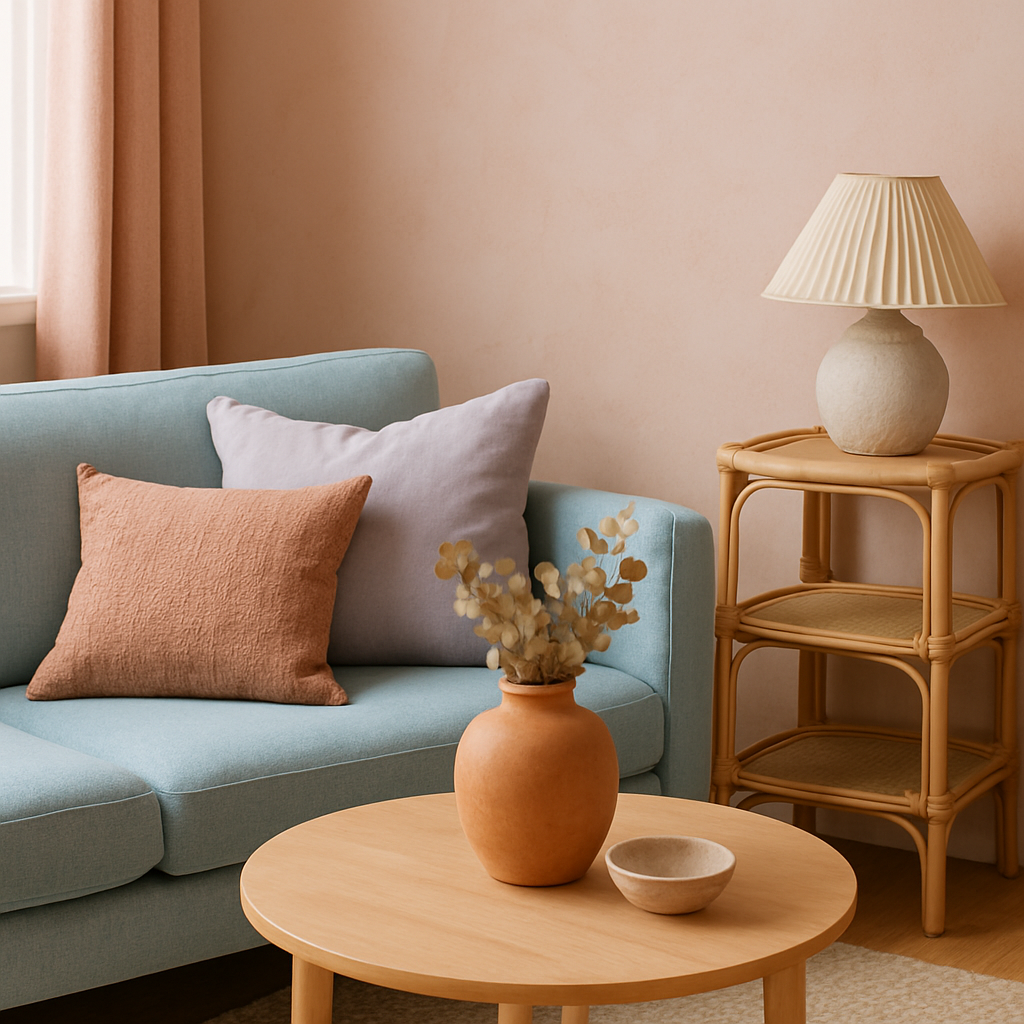
Imagine walking into a cozy apartment that feels surprisingly spacious, despite its limited square footage. How do some spaces manage to appear so open and inviting while others feel cramped? According to the American Society of Interior Designers (ASID), strategic design can transform even the most compact areas into functional, stylish retreats. This article will explore expert strategies for maximizing space in small residential interior design projects, providing a roadmap of foundational concepts, data-driven insights, actionable strategies, expert-level details, and additional depth. Whether you're dealing with a tight urban apartment or a snug suburban home, these tips will help you create a space that feels expansive and inviting.
Understanding Foundational Concepts for Small Spaces
When it comes to maximizing space in small residential interiors, understanding foundational design concepts is essential. One key principle is the use of multipurpose furniture. Pieces like a sofa bed or a dining table that doubles as a workspace can significantly enhance the functionality of a room. Experienced professionals often note that incorporating such versatile pieces is not just a trend but a necessity in small spaces. By choosing furniture that serves multiple functions, you can free up valuable square footage and reduce visual clutter.
Another important concept is the strategic use of color and light. Lighter hues and reflective surfaces can make a room feel larger than it is. According to research from Houzz, homeowners who opt for a lighter color palette report higher satisfaction with their space. This is because lighter colors reflect more light, which can create an illusion of depth and openness. Consider how your choice of color impacts the perception of space-could a fresh coat of white or pastel paint transform your room?
Lastly, vertical space is often underutilized in small interiors. By installing tall shelves or using vertical storage solutions, you can make the most of every inch. The National Council for Interior Design Qualification (NCIDQ) emphasizes the importance of vertical design in maximizing space. This approach not only provides additional storage but also draws the eye upward, giving the impression of a higher ceiling. These foundational strategies set the stage for more advanced techniques.
With these concepts in mind, let's delve into deeper analytical insights, supported by real data, that can further inform your design decisions.
Deeper Analysis with Data-Driven Insights
The impact of effective interior design on property value is significant. Industry surveys suggest that well-designed spaces can increase a home's resale value by 5-15%. This statistic underscores the importance of thoughtful design, especially in small spaces where every detail counts. Choosing the right design elements can not only enhance your living experience but also offer a financial return on investment. Have you considered how a strategic redesign might affect your property's value?
According to the annual Houzz survey, homeowners are increasingly investing in small space redesigns, with expenditures ranging from $5,000 to $15,000 per room. This spending trend highlights a growing recognition of the value of professional input in maximizing space. Utilizing platforms like Houzz to explore designer portfolios and project photos can offer inspiration and guidance as you embark on your redesign journey.
Moreover, data from the International Interior Design Association (IIDA) indicates that incorporating sustainable and reclaimed materials is a top priority for modern homeowners. Not only are these materials environmentally friendly, but they also add texture and character to small spaces. This trend towards sustainability aligns with the broader movement towards biophilic design, which emphasizes natural materials and indoor-outdoor flow. These data-driven insights pave the way for actionable strategies that can be implemented in your space.
Armed with this information, you can now explore specific strategies to transform your small residential interiors.
Actionable Strategies for Maximizing Space
Implementing practical strategies is crucial in small residential interior design projects. Start by conducting a thorough audit of your current space usage. Map out how you actually use each room-where you drop your keys, where the kids do homework, where you relax. This exercise can uncover underutilized areas that could be repurposed for better functionality. Could converting that seldom-used corner into a reading nook or workspace enhance your daily routine?
Next, consider integrating smart home technology to optimize your space. Automated lighting, climate control, and window treatments can be controlled via smartphone, reducing the need for bulky devices and switches. According to Architectural Digest's AD PRO network, smart home integration is a growing trend in small space design, offering convenience without sacrificing style. Imagine controlling your home's atmosphere at the touch of a button.
Finally, decluttering is an essential strategy. A minimalist approach can greatly enhance the perception of space. Regularly assess your belongings and keep only what you truly need and love. This process not only frees up physical space but also contributes to a more serene and organized environment. These actionable strategies provide a practical framework for transforming your space.
Having explored these practical strategies, let's delve deeper into expert-level details that can elevate your design project.
Expert-Level Details for Sophisticated Design
To achieve a sophisticated design in small interiors, attention to detail is paramount. Certified interior designers, holding credentials such as NCIDQ, ASID, or IIDA, bring a wealth of knowledge and expertise to the table. They can guide you through the intricacies of design, ensuring that every choice aligns with your vision and the constraints of your space. Have you considered consulting with a certified professional to refine your design approach?
Incorporating quiet luxury and understated elegance can elevate your space. This trend, characterized by high-quality materials and subtle design elements, emphasizes simplicity and comfort. Think of plush textiles, soft lighting, and curated art pieces that add depth without overwhelming the senses. Experienced professionals often note that these elements can transform a space into a sanctuary of calm and relaxation.
Moreover, AR/VR room visualization tools have become invaluable in the design process. These technologies allow you to preview changes in real-time, offering a virtual walkthrough of your redesigned space before making any commitments. This technology is particularly beneficial in small spaces, where every design choice has a significant impact. Expert-level detail can truly refine your space, making it both functional and aesthetically pleasing.
With a solid grasp of these expert insights, let's explore additional depth in small space design strategies.
Additional Depth in Small Space Design
Digging deeper into small space design, consider the role of texture and pattern in enhancing a room's aesthetic appeal. Mixing different textures and patterns can add visual interest and depth, making a small space feel more dynamic. For example, pairing a plush velvet sofa with a sleek marble coffee table creates a sense of contrast and balance. This approach aligns with the Japandi trend, which blends Japanese minimalism with Scandinavian warmth, adding a cozy yet refined touch.
Another layer of depth involves the use of mirrors strategically. Mirrors can create the illusion of a larger space by reflecting light and opening up a room. Placing a large mirror opposite a window can enhance natural light and make the space feel more expansive. According to ASID research, this technique is widely used by designers to maximize light and space in smaller interiors.
Furthermore, consider the flow of movement within your space. Ensuring that pathways are clear and unobstructed is crucial in small interiors. This not only improves functionality but also enhances the overall aesthetic. By paying attention to these additional design elements, you can create a space that feels both cohesive and spacious.
As we approach the final perspectives on maximizing space in small residences, it's time to consolidate these insights.
Final Perspectives on Small Space Maximization
Incorporating these strategies and insights into your small residential interior design projects can yield transformative results. By leveraging foundational concepts, data-driven insights, and expert-level details, you can create a space that is both functional and beautiful. Remember, the key to maximizing space lies in thoughtful planning and execution. How will you apply these strategies to your own space?
Ultimately, the goal is to create an environment that reflects your personal style while accommodating the practical needs of daily life. Whether through smart technology, sustainable materials, or strategic design choices, the possibilities for enhancing small spaces are vast. Consider which elements resonate most with you and how they can be integrated into your design vision.
With these final perspectives in mind, let's conclude with a clear call to action for your interior design journey.
Conclusion
Maximizing space in small residential interiors requires a blend of creativity, strategy, and expertise. By embracing multipurpose furniture, smart technology, sustainable materials, and expert insights, you can transform your living environment into a functional and stylish haven. Now is the time to take action. Start by browsing designer portfolios on platforms like Houzz this week-spending even 20 minutes can sharpen your eye for what you truly want. As you embark on your design journey, remember that the possibilities are endless when it comes to crafting a space that feels uniquely yours.


Comments
Post a Comment