Maximize Space and Style: Innovative Living Room Interior Design Ideas
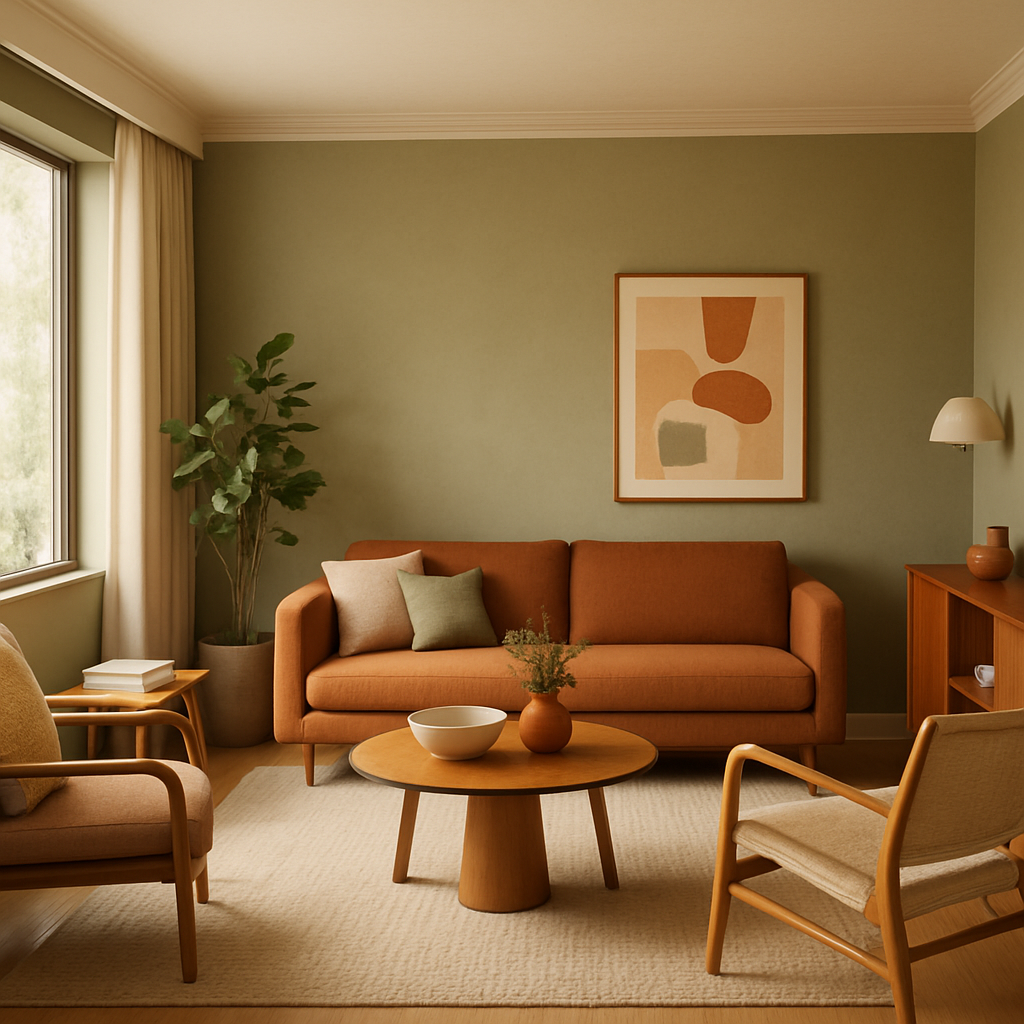
Have you ever walked into a living room that felt both expansive and cozy, leaving you wondering how they achieved such a perfect balance? According to a recent Houzz survey, 74% of homeowners see their living room as the focal point of their home, making it a priority for design improvements. This article will equip you with the knowledge to transform your living room into a stylish and functional space. We'll explore foundational concepts, delve into deeper analyses with data, and provide actionable strategies. By the end, you'll be armed with expert-level insights and additional depth, ensuring your living room is a reflection of both space and style.
Understanding the Foundations of Living Room Design
Before diving into the specifics of living room interior design, it's essential to grasp the foundational concepts that guide the process. The first step is to evaluate the function of your living room. Consider how you and your family use the space daily: Is it primarily for relaxation, entertaining, or perhaps a combination of both? This understanding will inform your design choices, ensuring the room meets your needs effectively.
Next, consider the layout of your living room. Efficient space planning is crucial for maximizing both space and style. Begin by sketching a rough plan of your room, noting the placement of windows, doors, and any built-in features. This will help you identify potential areas for improvement. Use design tools like SketchUp or room planner apps to visualize different layouts and furniture arrangements. An open and airy layout can make even the smallest rooms feel spacious.
Finally, color schemes play a pivotal role in setting the tone of your living room. Experienced professionals often note that lighter colors can make a space feel larger, while darker hues add depth and coziness. Consider a neutral palette with pops of color to create a balanced aesthetic. By understanding these foundational elements, you'll be well-equipped to create a living room that is both functional and stylish.
Data-Driven Design Decisions
When it comes to designing a living room that maximizes space and style, data can be your best friend. According to the American Society of Interior Designers (ASID), 58% of people are more satisfied with their space after integrating data-driven design elements. This involves assessing how your living room is used and what changes can improve its functionality and aesthetics.
One key data point to consider is natural light. According to studies, rooms that capitalize on natural light are perceived as more spacious and inviting. If your living room lacks sufficient natural light, consider installing larger windows or using reflective surfaces such as mirrors and glossy finishes to amplify the light. These changes not only enhance the room's aesthetic appeal but also improve mood and well-being.
Moreover, furniture choice and arrangement significantly impact the perception of space. The International Interior Design Association (IIDA) suggests using multi-functional furniture to optimize space. For example, a coffee table with storage can reduce clutter, while a convertible sofa can accommodate guests. These data-driven insights allow you to make informed decisions that elevate both the style and functionality of your living room.
Actionable Strategies for Living Room Transformation
Now that you've grasped the foundational concepts and explored data-driven insights, it's time to implement actionable strategies to transform your living room. Start by decluttering your space. Remove any items that do not contribute to the room's function or style. A minimalist approach can make your living room feel more open and inviting.
Next, incorporate smart home technologies into your living room design. Smart lighting systems, such as Philips Hue, allow you to adjust the ambiance with a simple voice command or via an app. Similarly, automated window treatments can control natural light levels, enhancing both convenience and style. These technologies not only modernize your space but also contribute to energy efficiency.
Another effective strategy is to introduce biophilic design elements. This involves integrating natural materials and greenery into your space to create a calming environment. Consider using sustainable materials like bamboo or reclaimed wood for furniture, and add indoor plants to improve air quality and aesthetics. By implementing these strategies, you'll elevate your living room's style while maximizing its functionality.
Expert Insights for Advanced Design
For those seeking to take their living room design to the next level, expert insights can provide the advanced knowledge needed. Certified interior designers, such as those holding NCIDQ (National Council for Interior Design Qualification) credentials, emphasize the importance of creating a cohesive design narrative. This involves selecting elements that complement each other in terms of color, texture, and style.
One advanced design technique is the use of AR/VR tools for room visualization. Designers now use these technologies to offer clients virtual tours of their redesigned spaces before any physical changes are made. This helps in making more informed decisions and ensures that the final outcome aligns with the client's vision. Platforms like Houzz and AD PRO offer these cutting-edge tools, making them accessible to homeowners and professionals alike.
Additionally, incorporating quiet luxury, characterized by understated elegance and high-quality materials, can add a touch of sophistication to your living room. This trend focuses on subtlety and craftsmanship rather than ostentation. By investing in a few statement pieces, like a designer armchair or a bespoke lighting fixture, you can transform your living room into a space that exudes timeless elegance.
Additional Depth for Design Enthusiasts
For those deeply invested in maximizing space and style, understanding the nuances of design trends is key. The Japandi style, which blends Japanese minimalism with Scandinavian warmth, is gaining popularity for its balanced approach to simplicity and comfort. This trend emphasizes clean lines, natural materials, and a neutral color palette, creating a serene and inviting atmosphere.
Furthermore, sustainable design practices are becoming increasingly important in the interior design industry. Using eco-friendly materials, such as recycled textiles and low-VOC paints, not only benefits the environment but also enhances indoor air quality. According to industry surveys, 67% of consumers prefer products that are both stylish and sustainable, reflecting a growing demand for environmentally conscious design.
Finally, consider the financial aspect of your living room redesign. Understanding fee structures can help you manage your budget effectively. Interior designers typically charge a flat fee, hourly rate, or a percentage of the total project cost. Being aware of these options allows you to choose a pricing model that aligns with your budgetary constraints and design goals, ensuring a seamless and satisfying redesign process.
Final Perspectives on Maximizing Space and Style
As you embark on your living room transformation journey, it's important to remember that the process is as much about personal expression as it is about design principles. Each choice you make should reflect your lifestyle and preferences, creating a space that feels uniquely yours. Don't be afraid to experiment with different styles and elements until you find the perfect combination.
Ultimately, the goal is to create a living room that balances form and function, offering both comfort and aesthetics. By applying the insights and strategies discussed in this article, you'll be well on your way to achieving a living room that maximizes space and style. The integration of modern technologies, sustainable practices, and expert techniques will ensure your living room remains relevant and inviting for years to come.
As you consider your next steps, ask yourself: What elements of your current living room design are working well, and which could use improvement? This self-reflection will guide you in making informed decisions as you move forward in your design journey.
Conclusion: Next Steps for Your Living Room Design
In summary, transforming your living room to maximize space and style involves a blend of foundational understanding, data-driven decisions, and innovative strategies. By incorporating expert insights and embracing current design trends, you can create a space that reflects your personal taste while meeting your functional needs. Don't hesitate to seek the guidance of certified professionals, who can offer tailored advice and advanced techniques.
Ready to start your living room redesign? Begin by browsing portfolios on platforms like Houzz or Instagram this week. Even dedicating just 20 minutes to research can significantly sharpen your eye for what resonates with your style. Remember, a well-designed living room not only enhances your daily life but can also increase your home's resale value by 5-15%. Your journey to a maximized space and style begins now.


Comments
Post a Comment