Maximize Small Spaces: Innovative Room Interior Design Tips for Compact Living
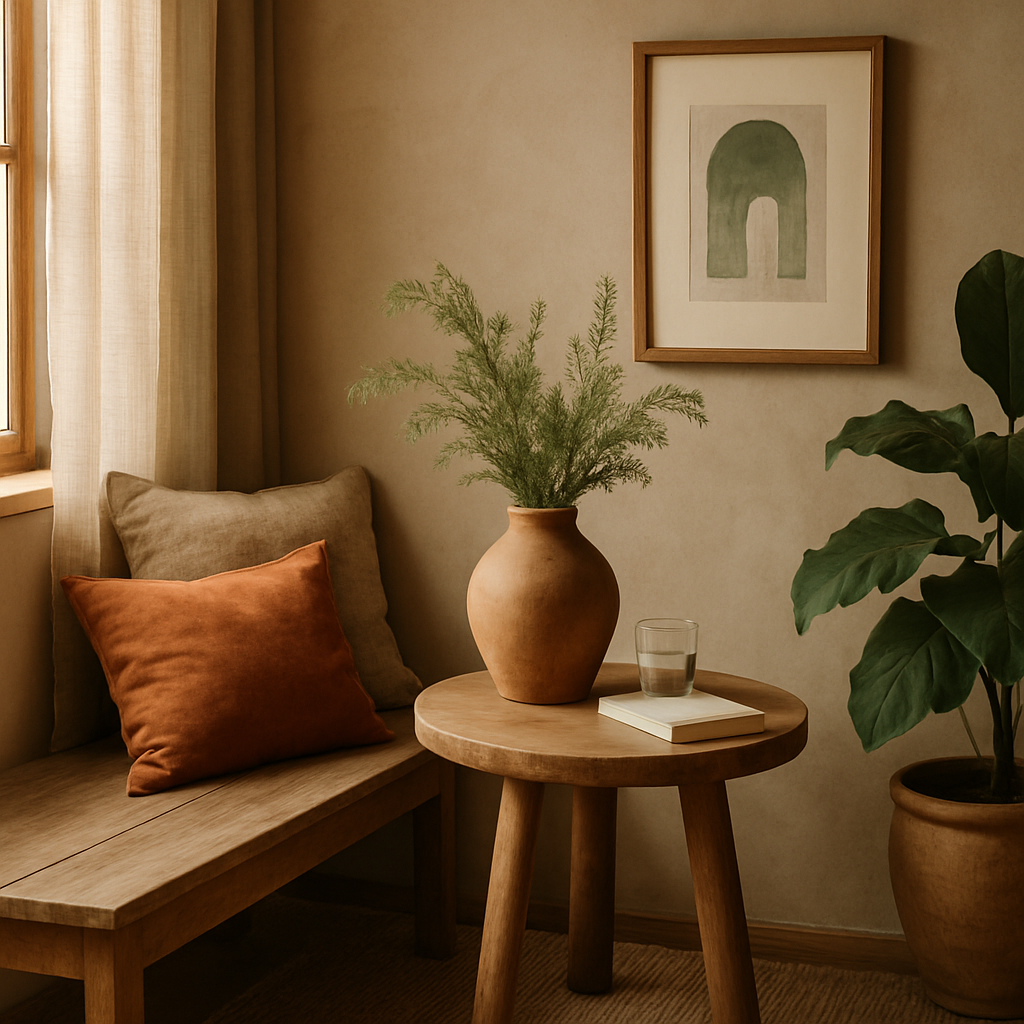
Have you ever felt overwhelmed by the clutter in your cramped apartment? You're not alone. According to a recent survey by Houzz, nearly 60% of small-space dwellers struggle with maximizing their limited square footage. In today's fast-paced urban environments, making the most of every inch is crucial. This article will guide you through the essentials of maximizing small spaces with innovative interior design tips. We'll explore foundational concepts, delve into deeper analysis with supporting data, and provide actionable strategies. Additionally, we'll offer expert-level insights and further detail to ensure your compact living space is both functional and aesthetically pleasing.
Understanding the Basics of Small Space Design
Before diving into design specifics, it's essential to understand the foundational concepts that support effective small-space living. The primary goal is to create a sense of openness and functionality without sacrificing style. One key strategy is to embrace minimalism. By reducing clutter and opting for multi-functional furniture, you can open up your space significantly. For instance, consider a foldable dining table that doubles as a desk-a staple in small apartments.
The next foundational aspect is the use of light and color. Bright, neutral colors can make a room feel larger and more inviting. According to the American Society of Interior Designers (ASID), using colors like white, beige, and soft pastels can enhance natural light and create an airy atmosphere. Mirrors are another vital element, strategically placed to reflect light and give the illusion of expanded space.
Finally, vertical space utilization is often overlooked but incredibly impactful. Shelving units that rise from floor to ceiling can add storage without occupying precious floor space. This approach not only maximizes utility but also draws the eye upwards, enhancing the perception of height. Understanding these foundational principles sets the stage for more advanced strategies.
The Role of Data in Small-Space Optimization
Delving deeper into small-space optimization, let's examine how data and statistics can guide effective interior design. According to Houzz's 2023 survey, homeowners who implemented strategic storage solutions reported a 40% increase in space efficiency. This statistic highlights the importance of clever storage in compact living environments. Consider incorporating built-in cabinets that blend seamlessly with your walls.
The International Interior Design Association (IIDA) emphasizes the impact of furniture scale on room perception. In a study, they found that 70% of respondents felt their small spaces appeared larger after switching to appropriately sized furniture. Opt for pieces that align with your room's scale, avoiding oversized items that can overwhelm the area.
Moreover, industry professionals often note the significance of traffic flow in small spaces. Efficient layouts that promote easy movement can make even the smallest rooms feel more spacious. Arrange furniture in a way that leaves clear pathways, ensuring functionality and comfort. These data-driven insights provide a robust foundation for further design exploration.
Actionable Strategies for Maximizing Small Spaces
Now that we've laid the groundwork, let's explore actionable strategies for maximizing small spaces. First, consider investing in customizable furniture. Platforms like IKEA offer modular pieces that adapt to your needs, such as sectional sofas that reconfigure to fit any room. This flexibility is invaluable in compact living environments.
Next, incorporate smart home technology to streamline functionality. Automated lighting and climate control systems can be operated through your smartphone, reducing the need for bulky switches and thermostats. Experienced professionals often recommend brands like Philips Hue for their seamless integration and user-friendly interface.
Additionally, embrace biophilic design by incorporating natural elements like plants and wood textures. Not only do these features create a calming atmosphere, but they also contribute to a healthier indoor environment. Start small by adding a few potted plants or a bamboo accent wall. These strategies are practical yet transformative, allowing you to make the most of your limited space.
Expert-Level Insights for Small Space Design
For those seeking expert-level insights, understanding the nuances of interior design is crucial. Certified interior designers, often holding credentials like NCIDQ (National Council for Interior Design Qualification), emphasize the importance of texture and layering in small spaces. By combining different textiles and materials, you can add depth and interest without overcrowding the area.
Another advanced technique involves the use of AR/VR room visualization tools. These cutting-edge technologies allow you to experiment with various layouts and color schemes before committing to a design. Platforms like Architectural Digest's AD PRO network provide access to these resources, offering a glimpse into the future of interior design.
Experienced designers also recommend focusing on continuity throughout your space. Maintain a consistent color palette and material selection to ensure a cohesive look. This approach creates visual harmony and can make separate areas feel like part of a unified whole. By applying these expert insights, you can elevate your small space design to a professional standard.
Additional Depth: Budgeting for Small Space Projects
Maximizing small spaces often involves budget considerations. According to the American Institute of Architects (AIA), the average cost for a single room redesign ranges from $5,000 to $15,000. To make informed decisions, it's crucial to allocate your budget wisely. Prioritize high-impact areas like the living room and kitchen, where functionality is paramount.
Fee structures for interior design services vary widely. You might encounter flat fees, hourly rates ranging from $150 to $500, or a percentage of the total project cost. Understanding these options helps you select a pricing model that aligns with your financial plan. Procurement markups on furniture and materials should also be factored into your budget.
Additionally, consider the potential return on investment. Well-designed interiors can increase property value by 5-15%, according to industry consensus. This statistic underscores the long-term benefits of investing in quality design. Careful budgeting not only enhances your current living situation but also contributes to your financial future.
Final Perspectives on Compact Living
As we conclude our exploration of small space design, it's clear that maximizing compact living requires a strategic approach. By combining foundational principles with data-driven insights and expert strategies, you can transform even the smallest spaces into functional, stylish environments. Have you considered how these tips might apply to your own home?
Reflect on the strategies that resonate most with you, from customizable furniture to smart home integration. Each choice you make can significantly impact your space's functionality and aesthetic appeal. By remaining mindful of these considerations, you'll be well-equipped to navigate the challenges of compact living.
Conclusion
In summary, maximizing small spaces involves a multifaceted approach that blends foundational concepts, expert insights, and actionable strategies. Whether you're embracing minimalism or experimenting with cutting-edge technologies, each decision contributes to a more efficient and appealing living environment. Are you ready to take the next step in your small space design journey?
Start by browsing designer portfolios on Houzz this week-even 20 minutes of research will sharpen your eye for what you want. By leveraging the resources and insights shared here, you'll be well on your way to creating a space that's both functional and beautiful. Compact living doesn't have to mean compromising on style or comfort.



Comments
Post a Comment