Maximize Small Spaces: Innovative Living Room Interior Design Solutions
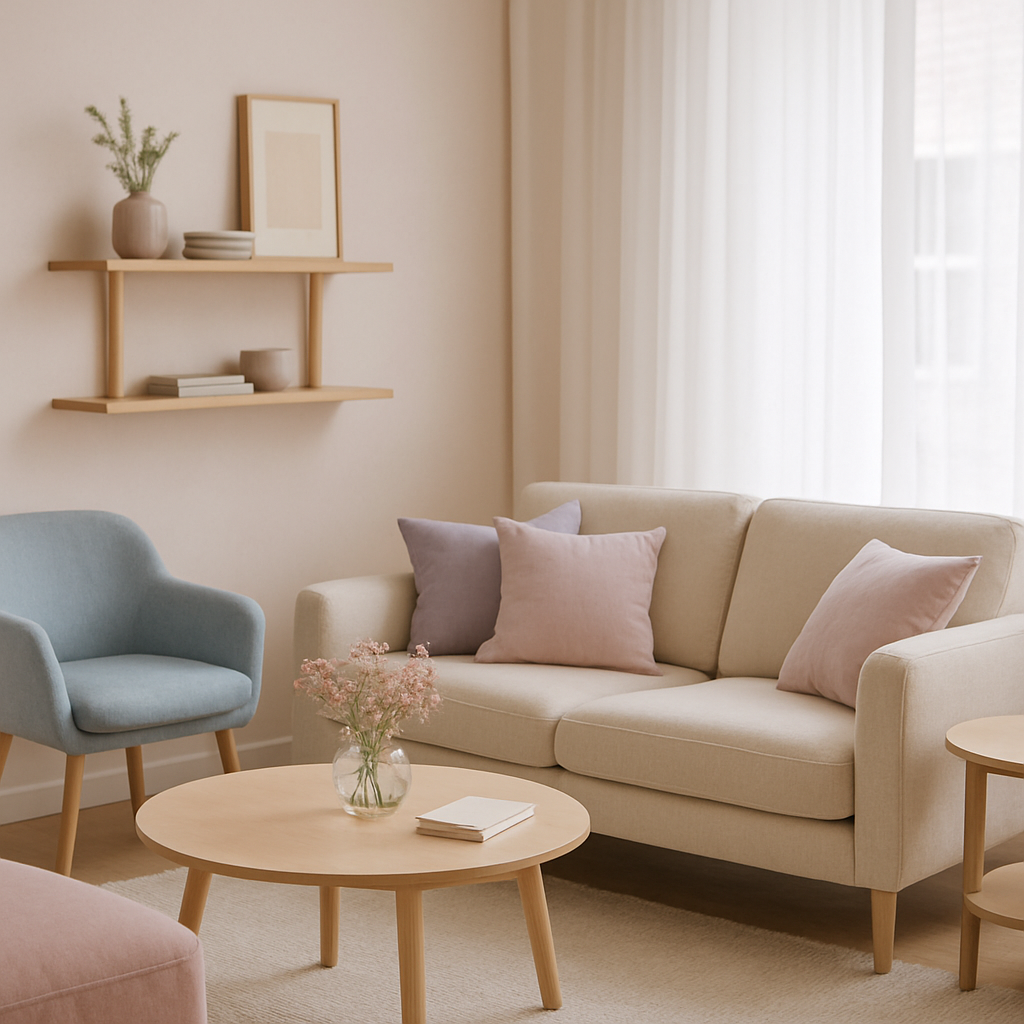
Did you know that a well-designed living room can increase your home's resale value by as much as 15%? According to Houzz's annual survey, homeowners who invest in thoughtful interior design see significant returns, both financially and in personal enjoyment. This is especially critical when dealing with small spaces, where every square foot must be leveraged for maximum impact. Today, we'll explore innovative living room interior design solutions to help you make the most of limited space. From strategic furniture choices to advanced design techniques, we'll delve into practical methods and expert insights to transform your cozy quarters into functional, stylish sanctuaries.
Understanding Space Constraints
To effectively maximize small spaces, it's crucial to first understand the limitations and potential of your living room. This involves a comprehensive assessment of the room's dimensions, natural light sources, and existing architectural elements. Typically, small living rooms range from 150 to 300 square feet, requiring careful consideration of furniture scale and layout. Experienced professionals often note that the key is to create a sense of openness without sacrificing functionality.
One foundational concept in small living room design is the principle of multi-functionality. Furniture that serves dual purposes, such as a sofa bed or an ottoman with storage, can significantly enhance the usability of your space. According to the American Society of Interior Designers (ASID), incorporating versatile pieces is a top strategy for optimizing limited areas. By integrating furniture that adapts to various needs, you can effectively balance comfort and practicality.
Lighting is another critical factor in small room design. Ample lighting can make even the smallest spaces feel larger and more welcoming. Natural light is ideal, but when it's lacking, strategic use of artificial lighting can work wonders. Consider layered lighting solutions that include ambient, task, and accent lighting to add depth and dimension to your room. This foundational understanding sets the stage for more advanced solutions.
Data-Driven Design Decisions
Incorporating statistical insights into your design process can lead to more informed decisions. For instance, Houzz's survey data indicates that 40% of homeowners prioritize storage solutions in small living room designs. This data suggests a growing trend towards integrating clever storage options that blend seamlessly with the room's aesthetics. Built-in shelving, under-sofa storage, and wall-mounted units are popular choices that cater to this need.
Another statistic from the National Council for Interior Design Qualification (NCIDQ) highlights that 30% of interior designers recommend open-plan layouts to maximize space efficiency. Removing barriers between the living room and adjoining areas, such as the kitchen or dining room, can create a more expansive feel. This approach not only enhances the flow of natural light but also encourages social interaction, turning compact spaces into versatile hubs.
Data also supports the use of color psychology in small space design. Light, neutral colors are favored for their ability to reflect light and create an illusion of space. However, strategic pops of color or bold accent walls can also add personality without overwhelming the room. According to ASID, 25% of designers use color to delineate spaces within open layouts, offering a visual guide to the room's different functions.
Actionable Design Strategies
Ready to transform your small living room into a functional masterpiece? Start by mapping out the room's layout with a focus on flow and accessibility. Consider where you spend the most time and tailor the design to enhance those areas. For example, if your living room doubles as a home office, invest in a compact desk that can be folded away when not in use.
Furniture selection is paramount. Opt for pieces with clean lines and minimalist designs to avoid visual clutter. Brands like IKEA and West Elm offer a range of stylish yet compact furniture options specifically designed for small spaces. Additionally, consider investing in custom-built furniture to perfectly fit your room's dimensions and unique needs.
Don't overlook the power of mirrors. A well-placed mirror can create the illusion of a larger space by reflecting light and opening up the room. Position mirrors opposite windows or behind light sources to maximize their effect. This simple yet effective strategy can dramatically enhance the perceived size of your living room, making it feel more expansive and inviting.
Expert Insights on Small Space Design
Experienced interior designers emphasize the importance of vertical space in small room design. According to the International Interior Design Association (IIDA), utilizing vertical elements, such as tall bookcases or hanging plants, draws the eye upward, creating a sense of height and openness. This not only optimizes space but also adds an element of visual interest.
Biophilic design, which incorporates natural elements into interiors, is gaining popularity for its ability to enhance both aesthetics and well-being. In small living rooms, this can be achieved through the use of indoor plants, natural materials like wood and stone, and maximizing natural light. The soothing effect of these elements can make compact spaces feel more serene and inviting.
Smart home integration is another advanced strategy for maximizing small living rooms. Automated lighting, climate control, and window treatments can all be controlled via smart devices, reducing the need for bulky hardware and creating a sleek, modern environment. This technology not only improves functionality but also contributes to the overall aesthetic of the space.
Additional Considerations for Small Spaces
When designing a small living room, texture and material play crucial roles in creating a welcoming ambiance. Mixing different textures, such as a plush rug with sleek leather furniture, can add depth and interest to a compact space. According to Architectural Digest's AD PRO network, layering textures is a technique widely used by top designers to enrich small room aesthetics without overcrowding.
Considering the acoustics of your living room is equally important. Small spaces can often suffer from poor sound quality due to hard surfaces and limited area. Utilizing soft furnishings, such as thick curtains or upholstered furniture, can help absorb sound and improve audio clarity, especially if your living room doubles as an entertainment space.
Finally, personalization remains key in any design project. Incorporate personal touches that resonate with your style and preferences. Whether it's a collection of travel souvenirs or family photos, these elements make your living room uniquely yours. This final layer of design ensures that while you're maximizing space, you're also creating an environment that feels authentically personal.
Final Perspectives on Small Living Room Solutions
Maximizing a small living room requires a blend of creativity, strategic planning, and expert knowledge. While the challenges are distinct, so too are the rewards. By adopting innovative design solutions and staying informed on the latest trends, you can transform any limited space into a functional, stylish haven.
Consider how each design choice impacts both the look and feel of your room. Are you prioritizing comfort, or is functionality your main focus? By aligning your design decisions with your lifestyle needs, you ensure that your living room serves as a reflection of your personal style and practical requirements.
Conclusion
In wrapping up, the art of maximizing small living spaces lies in the thoughtful integration of design principles, data-driven decisions, and personal style. Whether you're starting from scratch or looking to revamp an existing space, the strategies outlined here provide a robust framework for success. Your journey towards a beautifully functional living room begins today.
Start by exploring designer portfolios on platforms like Houzz and Instagram to gather inspiration. Even dedicating just 20 minutes to research can refine your vision and guide your design choices. Remember, effective interior design is an ongoing process of learning and adaptation-your ideal living space is within reach.


Comments
Post a Comment