Maximize Small Spaces: Clever Interior Design Ideas You Need to Try
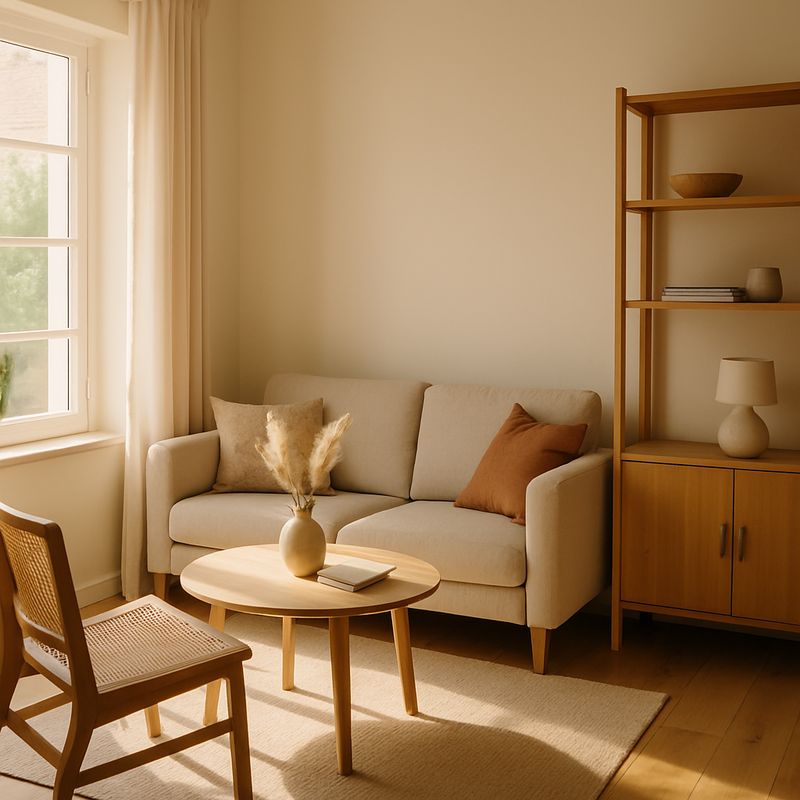
In the realm of interior design, maximizing small spaces presents both a challenge and an opportunity. Did you know that according to a recent Houzz survey, a staggering 75% of homeowners are actively seeking ways to enhance the functionality of their compact living areas? This growing trend highlights the rising demand for smart design solutions that can transform tight quarters into stylish, efficient, and inviting spaces. Whether you're living in a cozy urban apartment or a petite suburban home, the key lies in clever design strategies that optimize every inch. In this article, we'll explore foundational concepts in space-maximization, delve into data-driven insights, and share actionable strategies that you can implement. We'll also cover expert-level details and additional depth to ensure your small space is both functional and aesthetically pleasing.
Understanding the Foundations of Space Maximization
To maximize small spaces effectively, it's crucial to start with foundational design principles. One of the primary concepts is the use of multifunctional furniture. Pieces such as sofa beds, extendable dining tables, and storage ottomans serve dual purposes, allowing you to make the most of limited square footage. For instance, a sofa bed can transform your living room into a guest bedroom at night, providing versatility without sacrificing comfort. This approach not only conserves space but also enhances the overall functionality of your home.
Another essential principle is the strategic use of vertical space. Often overlooked, walls offer a wealth of storage and design opportunities. Installing floating shelves or wall-mounted cabinets can free up floor space while providing ample room for storage or display. According to the American Society of Interior Designers (ASID), utilizing vertical space is a highly effective strategy for small rooms, as it draws the eye upward, creating the illusion of height and openness. By considering the vertical plane, you can effectively expand your storage options without cluttering your living area.
Lighting plays a pivotal role in space maximization as well. Natural light, in particular, can make small spaces feel larger and more inviting. Incorporating large windows, skylights, or mirrors strategically placed to reflect light can enhance the perception of space. Experienced professionals often note that layered lighting, which includes ambient, task, and accent lighting, can add depth and dimension to a room. This fundamental understanding of how light interacts with space is crucial for creating an open and airy atmosphere.
These foundational concepts lay the groundwork for more advanced strategies. But what does the data say about the effectiveness of these methods? Let's explore further.
The Data Behind Space-Saving Designs
Data-driven insights provide valuable guidance when maximizing small spaces. A key statistic from the National Association of Home Builders indicates that 60% of new homes built in urban areas are under 2,000 square feet, emphasizing the growing need for efficient design solutions. Homeowners and designers alike are prioritizing space-maximization techniques that can effectively transform compact living areas. Understanding these trends allows you to make informed decisions about your interior design projects.
According to Houzz's annual survey, homeowners who invested in space-saving solutions reported a 20% increase in overall satisfaction with their homes. This data underscores the importance of targeted design interventions in enhancing the livability of small spaces. For instance, integrating built-in storage solutions not only provides additional space but also contributes to a cleaner, more organized environment. The positive feedback from homeowners highlights the tangible benefits of these strategies.
Moreover, the International Interior Design Association (IIDA) notes that well-designed small spaces often lead to increased property value. In fact, industry experts suggest that homes with efficient space utilization can yield a 5-15% higher resale value. This potential for financial gain further incentivizes homeowners to embrace innovative design approaches. By leveraging data, you can prioritize interventions that offer the greatest return on investment.
Armed with these insights, it's time to explore actionable strategies for maximizing your own small space. Let's delve into practical tips and techniques that can make a significant impact.
Actionable Strategies for Space Optimization
When it comes to actionable strategies for small space design, consider implementing a minimalist approach. Decluttering your living area and embracing simplicity can create a more open and airy feel. Start by evaluating your belongings and removing items that no longer serve a purpose. This process not only frees up space but also promotes a sense of calm and tranquility. Are there areas in your home where clutter tends to accumulate? A focused decluttering session can dramatically transform these spaces.
Another effective strategy is to invest in furniture that can be easily moved or reconfigured. Modular sofas, foldable chairs, and nesting tables offer flexibility and adaptability, allowing you to rearrange your space according to your needs. For example, a modular sofa can be transformed into a sectional for entertaining guests or rearranged into separate pieces for everyday use. This level of versatility is invaluable in small living areas, where space constraints often limit your options.
Incorporating mirrors strategically can also enhance the perception of space. Mirrors reflect light and create the illusion of depth, making rooms feel larger and more open. Consider placing a large mirror opposite a window to maximize the effect of natural light. Alternatively, a mirrored wall can visually double the size of a room while adding a touch of elegance. How might mirrors transform your current space? Experimenting with their placement can yield surprising results.
With these actionable strategies in mind, we can now explore some expert-level details that will elevate your design efforts even further.
Expert-Level Insights for Small Space Design
For those seeking expert-level insights, it's important to consider the role of color and texture in small space design. Light, neutral colors can make a room feel more spacious, while darker shades can add depth and coziness. Experienced designers often recommend a color palette that includes whites, creams, and soft pastels to create a sense of openness. Additionally, incorporating textures through textiles, such as rugs and throws, can add warmth and interest without overwhelming the space.
Biophilic design is another advanced concept gaining popularity. This approach integrates natural elements into interior spaces, promoting well-being and connection to the outdoors. Adding plants, using natural materials like wood and stone, and enhancing indoor-outdoor flow can significantly improve the ambiance of small spaces. The American Institute of Architects (AIA) suggests that biophilic design not only enhances aesthetics but also contributes to physical and mental health.
Finally, consider the integration of smart home technology. Automated lighting, climate control, and window treatments can streamline your living experience, making it more efficient and tailored to your preferences. For example, smart lighting systems can be programmed to adjust throughout the day, creating the perfect ambiance while saving energy. The incorporation of technology can elevate your home environment, making it both functional and cutting-edge.
These expert insights provide a deeper understanding of how to optimize small spaces. Next, we'll explore additional dimensions that can further enhance your design approach.
Additional Depth to Elevate Your Design
To take your small space design to the next level, consider the importance of personal touches. Incorporating artwork, personal collections, and meaningful decor can add character and individuality to your home. These elements create a sense of identity and make your space uniquely yours. Are there specific items that hold personal significance for you? Thoughtfully integrating them can enrich your living environment.
Another dimension to explore is the use of zoning to define different areas within a single room. By using rugs, furniture placement, or partitions, you can create distinct zones for different activities, such as dining, working, or relaxing. This approach maximizes functionality and helps organize the space effectively. For instance, a well-placed bookshelf can serve as both a storage solution and a room divider, delineating a home office area from a living space.
Lastly, the use of AR/VR technology in interior design is transforming the way we visualize and plan spaces. Designers now use these tools to offer clients immersive experiences, allowing them to "walk through" their redesigned spaces before committing to changes. This innovation enhances decision-making and reduces the risk of costly mistakes. Could virtual reality be the key to perfecting your small space design?
With these additional insights, you can approach small space design with confidence and creativity. Let's conclude by synthesizing these ideas and outlining a practical next step.
Final Perspectives on Small Space Design
Maximizing small spaces requires a thoughtful blend of foundational principles, data-driven insights, and creative strategies. By embracing multifunctional furniture, utilizing vertical space, and integrating smart technology, you can transform even the most compact areas into functional and stylish environments. These approaches not only optimize space but also enhance the overall quality of life within your home.
As you embark on your design journey, consider the impact of personal touches and innovative technology. By incorporating elements that resonate with you and leveraging cutting-edge tools, you can create a space that is both practical and deeply personal. How can you further personalize your small space to reflect your unique style?
This comprehensive approach equips you with the knowledge needed to tackle any small space design challenge. Let's wrap up with a clear call to action that will guide your next steps.
Conclusion: Transform Your Small Space Today
In conclusion, maximizing small spaces involves a blend of strategic planning, creative problem-solving, and expert insights. By applying the principles and strategies discussed, you can transform your compact living area into a functional and aesthetically pleasing haven. Whether you're decluttering, integrating smart technology, or exploring biophilic design, each step brings you closer to a space that truly works for you.
Ready to take action? Start by browsing designer portfolios on platforms like Houzz and Instagram this week. Even 20 minutes of research can sharpen your eye for what you want and inspire new ideas. Remember, the journey to maximizing your small space begins with the first step. What will yours be?

Comments
Post a Comment