Maximize Productivity: Essential Office Interior Design Tips for a Creative Environment
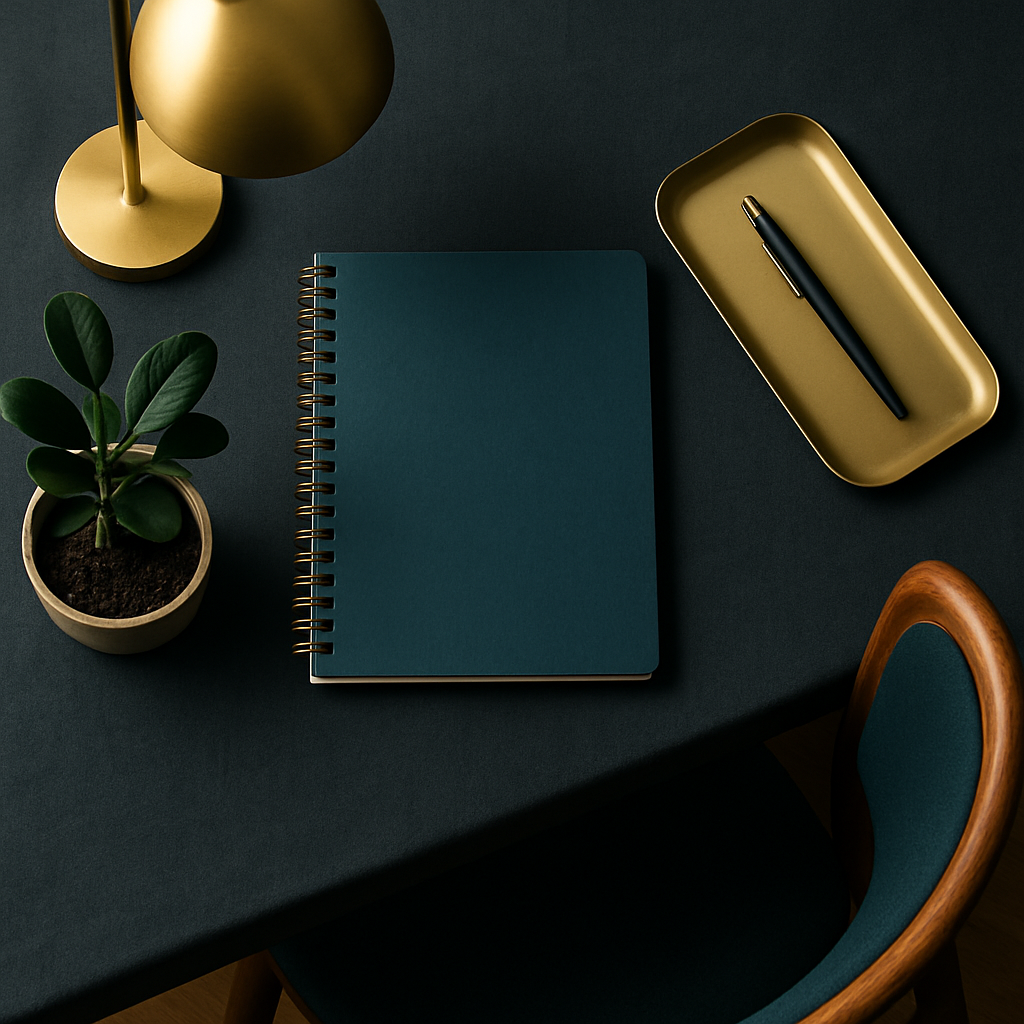
Have you ever walked into an office and immediately felt more focused and creative? That's no accident. According to a study published by the American Society of Interior Designers (ASID), well-designed workspaces can boost productivity by up to 20%. This underscores the importance of thoughtful office interior design in fostering a creative and efficient work environment. In this article, we will explore foundational design concepts, delve into data-backed strategies, and provide actionable tips to transform your office into a productivity powerhouse. From layout considerations to expert insights, these essential tips will guide you in creating a workspace that invigorates creativity and maximizes output.
Understanding the Foundations of Productive Office Design
At the core of any productive office design are the foundational principles that dictate how space is used. It's essential to start with the layout, which should promote both efficiency and collaboration. Open-plan offices have grown in popularity due to their ability to facilitate communication, yet they can sometimes lead to distractions. Therefore, incorporating quiet zones or private meeting areas is crucial. These allow employees to retreat when deep focus is needed, balancing open spaces with privacy.
Lighting is another critical aspect of office design. Natural light has been shown to improve mood and energy levels, with research from the National Renewable Energy Laboratory suggesting a 15% productivity increase in spaces with sufficient daylight. When natural light is limited, consider using LED lighting that mimics daylight to reduce eye strain and improve concentration. How does your current lighting setup support your productivity goals?
Moreover, ergonomic furniture plays a key role in maintaining employee well-being and efficiency. Adjustable chairs and desks that promote good posture can prevent discomfort and long-term health issues. According to the International Interior Design Association (IIDA), ergonomic solutions can decrease workplace injury rates, leading to fewer sick days and higher productivity. As you plan your office, think about how each element supports physical comfort and health.
Exploring Data-Driven Design Decisions
Data-driven design decisions are pivotal in creating a workspace that maximizes productivity. Industry surveys, such as those from Houzz, indicate that 64% of business owners consider employee satisfaction and productivity as primary drivers for office redesigns. Therefore, it's beneficial to conduct employee surveys to understand specific needs and preferences before embarking on a redesign project. This approach ensures that the changes made will directly address the users' requirements.
Another data point to consider is the impact of color on productivity. According to research published in the Journal of Environmental Psychology, colors like blue and green can enhance concentration and efficiency, while red might increase attention to detail. Integrating these colors into your office design, whether through wall paint, furniture, or decor, can subtly influence mood and behavior. What color scheme currently dominates your office, and how might it be affecting your team's output?
Acoustic management is often overlooked but crucial in maintaining a productive office environment. Excessive noise can be a significant distraction, with studies showing that noise pollution can reduce productivity by as much as 66%. Consider installing sound-absorbing panels or using white noise machines to minimize disruptive sounds. These measures not only improve focus but also contribute to a more pleasant and professional atmosphere.
Implementing Actionable Design Strategies
To effectively implement design strategies that enhance creativity, start with decluttering. A cluttered environment can lead to a cluttered mind, hindering productivity. Experienced professionals often note that organized spaces lead to clearer thinking and faster task completion. Invest in smart storage solutions that keep essential items accessible yet unobtrusive, such as floating shelves or under-desk storage units.
Another actionable strategy involves integrating technology seamlessly into the workspace. With the rise of smart home integration, offices can benefit from automated lighting, climate control, and even window treatments, allowing for a customized work environment. Tools like programmable thermostats and smart lights can adjust the office atmosphere based on time of day or occupancy, ensuring comfort and efficiency.
Furthermore, consider incorporating flexible workspaces that can adapt to different tasks or team sizes. Moveable furniture and modular setups allow for easy reconfiguration, supporting both solo work and collaborative projects. This flexibility is key in dynamic work environments where needs can shift rapidly. How adaptable is your current office setup to changing work demands?
Diving into Expert-Level Design Insights
For those seeking to elevate their office design to the next level, expert insights provide invaluable guidance. Certified interior designers, often holding credentials like the NCIDQ (National Council for Interior Design Qualification), bring a wealth of knowledge and experience to complex projects. These professionals can help navigate design challenges and ensure that every element of the office supports productivity.
One advanced concept gaining traction is biophilic design, which involves incorporating natural elements into the workspace. This can be achieved through the use of living walls, natural materials, and an indoor-outdoor flow that connects employees with nature. Studies have shown that biophilic design can reduce stress and enhance creativity, making it a powerful tool for modern office environments.
Additionally, the use of augmented reality (AR) and virtual reality (VR) tools in the design process allows for immersive space visualization. These technologies enable stakeholders to experience the proposed design changes before implementation, ensuring that the final result meets expectations. Have you considered how these cutting-edge tools could transform the planning and execution of your office redesign?
Enhancing Office Design with Additional Insights
When it comes to enhancing your office design, understanding the financial implications is crucial. Budgeting effectively ensures that you can achieve your design goals without overspending. The cost of a single-room redesign typically ranges from $5,000 to $15,000, while a full-home office project might exceed $50,000. It's important to allocate funds wisely, prioritizing elements that directly impact productivity.
Procurement is another area where strategic decisions can make a significant difference. Opt for sustainable and reclaimed materials, which not only support the environment but also contribute to a unique and inspiring workplace aesthetic. Platforms like Architectural Digest's AD PRO network offer resources for sourcing high-quality materials and furnishings that align with contemporary design trends.
Moreover, understanding the fee structures when hiring a professional can influence project planning. Designers may charge a flat fee, an hourly rate (typically $150-$500), or a percentage of the total project cost. Clear communication about fees and expectations from the outset ensures a smooth collaboration. How might professional guidance optimize your office design process?
Final Perspectives on Office Interior Design
As we wrap up, it's clear that maximizing productivity through office interior design is a multifaceted endeavor. By combining foundational concepts with data-driven choices and expert insights, you can create a workspace that not only meets but exceeds your productivity goals. Remember, a well-designed office is an investment in both your business's success and your team's well-being.
Ultimately, the goal is to create an environment that inspires and supports creativity. Whether you're planning a full-scale redesign or making small adjustments, every decision should align with the overarching aim of enhancing productivity. What steps will you take today to start transforming your office into a hub of creativity and efficiency?
In conclusion, the path to a more productive office begins with informed and intentional design choices. Start by assessing your current space and identifying areas for improvement. From there, consider consulting with certified professionals or utilizing platforms like Houzz for inspiration and practical advice. By dedicating even a small amount of time each week to researching and planning, you can significantly sharpen your vision and execution.
Conclusion: Taking the Next Steps
In summary, maximizing productivity through office interior design is not just about aesthetics; it's about creating a functional, inspiring environment that enhances creativity. From understanding foundational principles to implementing advanced strategies, every aspect of design plays a crucial role. As you reflect on these insights, consider how they apply to your own workspace.
Now is the time to take action. Start by browsing designer portfolios on platforms like Houzz or consulting with a certified designer to bring your vision to life. Even dedicating 20 minutes this week to research will set you on the path to a more productive and creative office environment. How will you begin to transform your office into a space that truly supports your goals?



Comments
Post a Comment