Maximize Comfort and Style: Essential Tips for Living Room Interior Design
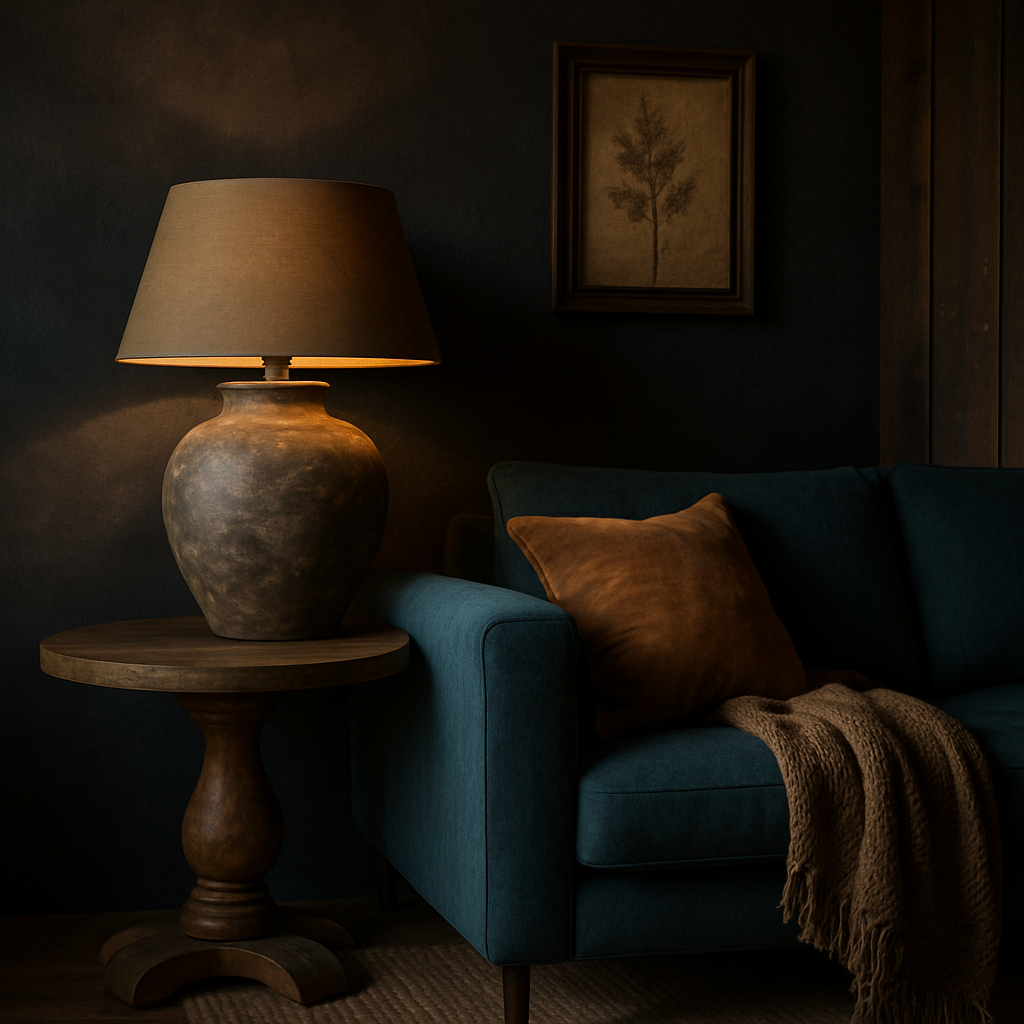
Imagine walking into your living room after a long day, greeted by a space that effortlessly blends comfort with style. According to a recent Houzz survey, 84% of homeowners prioritize comfort in their living spaces, yet many struggle to achieve it without sacrificing aesthetics. Designing a living room that maximizes both comfort and style is an art that requires a balance of thoughtful planning and expert strategies. In this article, we'll explore foundational concepts, delve into analytical data, and provide actionable strategies to transform your living room into a sanctuary. From understanding layout fundamentals to incorporating trending design elements, we aim to equip you with the knowledge to elevate your living room design.
Understanding the Foundation of Living Room Design
Creating a living room that embodies both comfort and style begins with understanding the foundational concepts of interior design. One critical element is spatial layout. You must first consider the room's function and how it will be used daily. Will it serve as a family gathering hub, a cozy reading nook, or a chic entertaining space? Mapping out these functions can guide your design decisions and furniture placement, ensuring that each piece serves a purpose and complements your lifestyle.
Lighting is another foundational aspect that significantly influences the ambiance of your living room. A well-lit space can enhance the room's aesthetics and comfort. Layered lighting, which includes a combination of ambient, task, and accent lighting, allows you to create versatile atmospheres. For instance, pendant lights can provide general illumination, while floor lamps and spotlights can highlight specific areas or features, like artwork or a statement piece of furniture.
Finally, consider the color palette as it sets the tone for the entire space. Neutral tones, such as whites, grays, and beiges, are often used to create a calming environment. However, incorporating bold accents through cushions, rugs, or art can add personality and style. By focusing on these foundational elements, you establish a strong base that supports further design enhancements.
Analyzing Data for Informed Design Decisions
Data-driven insights can significantly impact the success of your living room design. According to the American Society of Interior Designers (ASID), well-designed interiors can increase a home's resale value by 5-15%. This statistic underscores the importance of investing in quality design that appeals to both your personal taste and potential future buyers. Understanding market trends and preferences can guide your choices, ensuring they are both stylish and financially beneficial.
Moreover, Houzz's annual survey reveals that homeowners who prioritize comfort often report higher satisfaction with their living spaces. This data suggests that while aesthetics are important, creating a comfortable environment that reflects your lifestyle can lead to greater long-term enjoyment. Analyzing such data allows you to weigh the benefits of various design elements, such as luxury fabrics or ergonomic furniture, that enhance comfort without compromising style.
Experienced professionals often note that incorporating trending design elements, like biophilic design and smart home integration, can further boost a room's appeal and functionality. Biophilic design, which incorporates natural materials and elements into interiors, has been linked to improved well-being and productivity. Meanwhile, smart home technologies offer convenience and efficiency, allowing you to control lighting, temperature, and even window treatments with ease. By leveraging these trends, you can create a living room that is both current and timeless.
Actionable Strategies for Transforming Your Space
To transform your living room into a stylish and comfortable haven, start by decluttering and organizing. A clutter-free environment not only enhances aesthetics but also contributes to a sense of calm and relaxation. Consider using stylish storage solutions, such as built-in shelves or multi-functional furniture, to maintain order without sacrificing design. For example, an ottoman with hidden storage can serve as both seating and a place to store blankets or magazines.
Next, focus on selecting the right furniture. Quality pieces that provide both comfort and style are essential. Look for sofas and chairs with durable fabrics that suit your lifestyle, especially if you have pets or young children. Additionally, consider the scale and proportion of your furniture; oversized pieces can overwhelm a space, while too-small items may lack impact. Aim for a balance that ensures comfortable seating without overcrowding the room.
Incorporating texture and layering is another effective strategy to enhance both style and comfort. Layering rugs, using throw blankets, and adding decorative pillows can create a cozy atmosphere. Textures, such as velvet, wool, or leather, add depth and interest to the design. When combined thoughtfully, these elements can transform a simple room into a sophisticated and welcoming space that invites relaxation and socialization.
Expert-Level Insights for Elevated Design
For those seeking a higher level of design expertise, collaborating with a certified interior designer can provide valuable insights and guidance. Professionals with NCIDQ (National Council for Interior Design Qualification) certification, for instance, have demonstrated a high level of competence in the field. They can help you navigate complex design challenges and offer solutions tailored to your specific needs and preferences.
Expert designers often utilize cutting-edge tools such as AR/VR room visualization technologies to help clients visualize the potential of their spaces before committing to any changes. These tools offer a virtual walk-through of your redesigned living room, allowing you to make informed decisions about layout and color schemes. This technology can prevent costly mistakes and ensure your design aligns with your vision.
Furthermore, professionals can assist with procurement, ensuring that you have access to high-quality materials and furnishings. They can negotiate with vendors to achieve the best prices and manage logistics to streamline the design process. With expert guidance, you can achieve a living room that seamlessly integrates comfort and style, reflecting your personality while enhancing your home's overall value.
Additional Details for a Polished Look
To add finishing touches that elevate your living room design, consider incorporating art and accessories that reflect your personality and interests. Art can serve as a focal point and conversation starter, while accessories like vases, books, or sculptures can add layers of interest and texture. When selecting these items, ensure they complement the overall color scheme and style of the room.
Another aspect to consider is the incorporation of greenery. Plants not only enhance aesthetics but also improve air quality and contribute to a sense of tranquility. Whether you opt for a large statement plant or a collection of smaller ones, greenery can add life and vibrancy to your living room. Choose varieties that suit your lifestyle and maintenance preferences.
Finally, pay attention to the details that tie the room together, such as hardware finishes and textiles. Consistent metallic finishes on lighting fixtures, curtain rods, and other hardware can create a cohesive look. Similarly, selecting textiles that complement each other in color and texture can unify the design, adding a layer of sophistication and polish to your living room.
Concluding Perspectives on Living Room Design
As you embark on the journey of redesigning your living room, remember that the key to a successful transformation lies in balancing comfort and style. By understanding foundational design principles, leveraging data-driven insights, and applying expert-level strategies, you can create a space that is both inviting and inspiring. Consider how each design element serves your lifestyle and enhances the room's functionality.
Whether you choose to collaborate with a professional designer or tackle the project independently, the ultimate goal is to design a living room that reflects your personality and meets your needs. Keep in mind the impact of thoughtful design on your home's value and your quality of life. A well-designed living room can be a sanctuary that offers relaxation, connection, and joy.
In conclusion, the process of designing your living room should be as enjoyable as the final result. Take the time to explore, experiment, and adjust as needed to achieve a space that truly resonates with you and your family.
Conclusion
Maximizing comfort and style in your living room is an achievable goal with the right approach and resources. By focusing on foundational elements, utilizing data for informed decisions, and applying expert strategies, you can create a space that is both functional and beautiful. Remember, your living room should be a reflection of your personal style and a place where you feel most at ease.
Ready to start your design journey? Begin by exploring designer portfolios on Houzz or Instagram to gather inspiration and ideas. Even dedicating 20 minutes a day to research can significantly sharpen your vision for your living room. If you're considering hiring a professional, look for those with NCIDQ or ASID credentials to ensure you receive the highest standard of design expertise.
Ultimately, the investment you make in your living room's design is an investment in your home's value and your daily comfort. Embrace the process, and enjoy the transformation of your living space into a haven of comfort and style.


Comments
Post a Comment