Mastering Interior Design: Your Guide to the Focus Crossword Clue
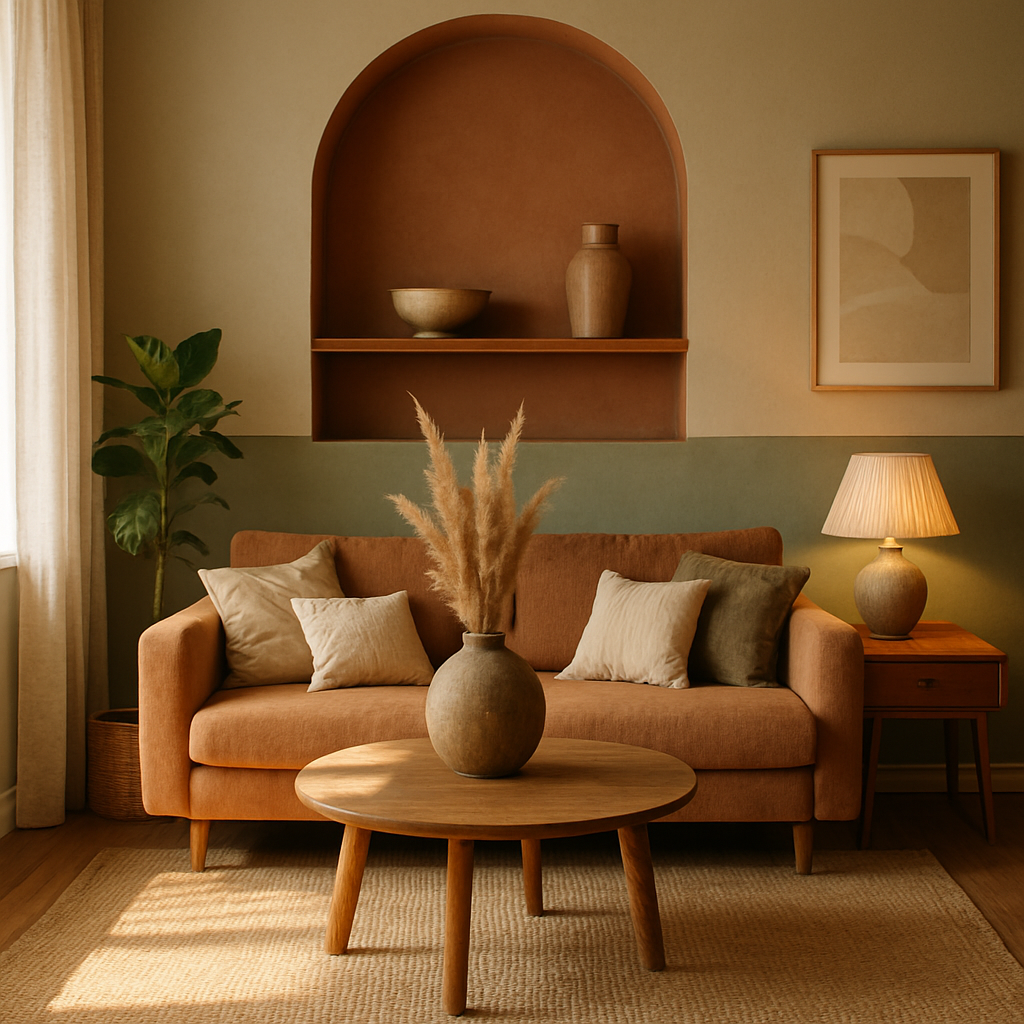
Imagine walking into a room that perfectly encapsulates your style, function, and needs. This is the essence of mastering interior design. Did you know, according to Houzz, that a well-designed interior can increase your home's resale value by 5-15%? Whether you're an aspiring designer or a homeowner looking to revamp your space, understanding the intricacies of design is crucial. This guide will delve into foundational concepts, provide a deeper analysis with data, offer actionable strategies, and present expert-level detail to help you solve any design challenge, including the elusive Focus crossword clue.
Understanding the Foundations of Interior Design
At its core, interior design is about creating spaces that are not only aesthetically pleasing but also functional. The first step in mastering interior design is understanding the foundational elements such as color, texture, and layout. Color theory plays a significant role in setting the mood of a room. For instance, warm colors like reds and oranges can make a space feel cozy, while cool colors like blues and greens tend to evoke calmness.
Texture, another fundamental element, adds depth and interest to a room. Combining different materials like wood, metal, and fabric can create a layered look that is both visually appealing and tactile. Consider how a plush velvet sofa contrasts with a sleek marble coffee table, each bringing out the other's unique qualities.
Layout, the arrangement of furniture and decor, is crucial for both aesthetics and function. Experienced professionals often note that mapping out how you use each room can prevent design mishaps. Where do you naturally place your keys? Where do the kids do their homework? Such considerations ensure that the space works for you, not against you. With these fundamentals in mind, we can now explore how data and analysis play a role in interior design decisions.
Data-Driven Insights in Interior Design
Incorporating data into interior design isn't just a trend-it's a necessity. According to the American Society of Interior Designers (ASID), data-driven design is increasingly being used to tailor spaces that meet specific client needs. For example, smart home integration is one area where data is pivotal. By analyzing how often you use certain appliances or lighting, designers can create systems that enhance convenience and energy efficiency.
Houzz's annual survey indicates that homeowners are investing more in smart home technologies, with a notable increase in spending on automated lighting and climate control systems. This data helps designers recommend solutions that align with current consumer preferences, ensuring that designs are both cutting-edge and practical.
Another powerful use of data is in layout optimization. By studying traffic patterns and space utilization, designers can create layouts that maximize both flow and function. This approach not only results in more efficient spaces but also enhances the overall user experience. As we move forward, let's translate these insights into actionable strategies you can apply to your own projects.
Actionable Strategies for Successful Interior Design
Ready to transform your space? Start with a clear vision of what you want to achieve. Ask yourself, what is the primary function of the space? Is it for relaxation, work, or entertainment? Once you have clarity, you can begin to implement strategies that align with your goals.
One effective strategy is to create mood boards. Platforms like Pinterest and Instagram offer endless inspiration and can help you visualize your ideas. Collect images of rooms, colors, and furniture pieces that resonate with your style. This visual collection serves as a guide when making design decisions and ensures a cohesive look.
Another strategy is to invest in quality over quantity. Instead of filling your space with numerous items, focus on a few standout pieces that add character. Whether it's a statement lighting fixture or a vintage rug, these elements can elevate the entire room. Finally, don't forget the power of personal touches. Incorporate items that tell your story, such as travel souvenirs or family heirlooms, to create a truly unique space. Now that we've covered strategies, let's dive into expert advice for even more refined design insights.
Expert-Level Insights for Advanced Design
For those who want to take their design skills to the next level, understanding the nuances of professional practice is key. Certified interior designers, who hold credentials like the NCIDQ (National Council for Interior Design Qualification), bring a depth of knowledge that can transform spaces. They understand the technical aspects of design, from building codes to ergonomics, that ensure safety and functionality.
Experts often emphasize the importance of sustainable design. Using reclaimed materials not only benefits the environment but also adds character and history to your space. The trend of biophilic design, which integrates natural elements, is gaining traction as people seek to reconnect with nature in their homes.
Additionally, technology is changing the landscape of interior design. AR/VR tools allow clients to visualize their space before any physical changes are made, ensuring that the final result meets their expectations. This technology also aids in communication between designers and clients, reducing the likelihood of misunderstandings. With these advanced insights, you're well-equipped to tackle complex design challenges. Let's explore additional depth in the next section.
Exploring Additional Depth in Interior Design
The world of interior design is vast and ever-evolving. To truly master the field, continuous learning is essential. Organizations like the IIDA (International Interior Design Association) offer resources and networking opportunities that can enhance your skills and knowledge.
Understanding different design styles is another way to deepen your expertise. The Japandi style, a fusion of Japanese minimalism and Scandinavian warmth, is a prime example of how cultural elements can merge to create something unique. By studying various styles, you can draw inspiration and incorporate diverse elements into your designs.
Finally, staying current with trends ensures your designs remain relevant. Quiet luxury, characterized by understated elegance, is a trend that emphasizes quality materials and craftsmanship over flashy aesthetics. By focusing on timeless design principles, you can create spaces that endure beyond fleeting trends. As you refine your skills, consider how these additional layers of depth can enhance your projects. Let's wrap up with some final perspectives.
Final Perspectives on Interior Design Mastery
Mastering interior design is a journey that blends creativity with practicality. It's about understanding both the art and science of making spaces work for people. Are you ready to apply these insights to your own home or projects? Reflect on what elements resonate most with you and how you can incorporate them into your designs.
Remember, the key to successful design lies in the details. From selecting the right materials to positioning furniture for optimal flow, every decision impacts the overall experience. Keep experimenting, learning, and adapting your approach as you encounter new challenges and opportunities.
As you continue to explore and refine your design skills, know that the possibilities are endless. Whether you're solving a focus crossword clue or crafting an entire home's interior, the principles of design remain constant: thoughtful, purposeful, and personal. Now, let's conclude with a call to action that encourages you to take the next step in your design journey.
Conclusion
In conclusion, mastering interior design is about more than just aesthetics; it's about creating spaces that truly serve you and enhance your lifestyle. By understanding foundational concepts, leveraging data, and implementing expert strategies, you can overcome any design challenge, including the enigmatic Focus crossword clue. As you embark on this journey, I encourage you to dive into the vast resources available, from Houzz portfolios to ASID research, and continue honing your craft.
Start by browsing portfolios on platforms like Houzz this week. Even 20 minutes of research will sharpen your eye for what you want. As you explore, consider the strategies and insights discussed in this guide and how they can be applied to your unique projects. The world of interior design is rich with potential-embrace it and create spaces that truly reflect who you are.


Comments
Post a Comment