Interior Bliss: The Ultimate Guide to Hiring a Leading Interior Design Company
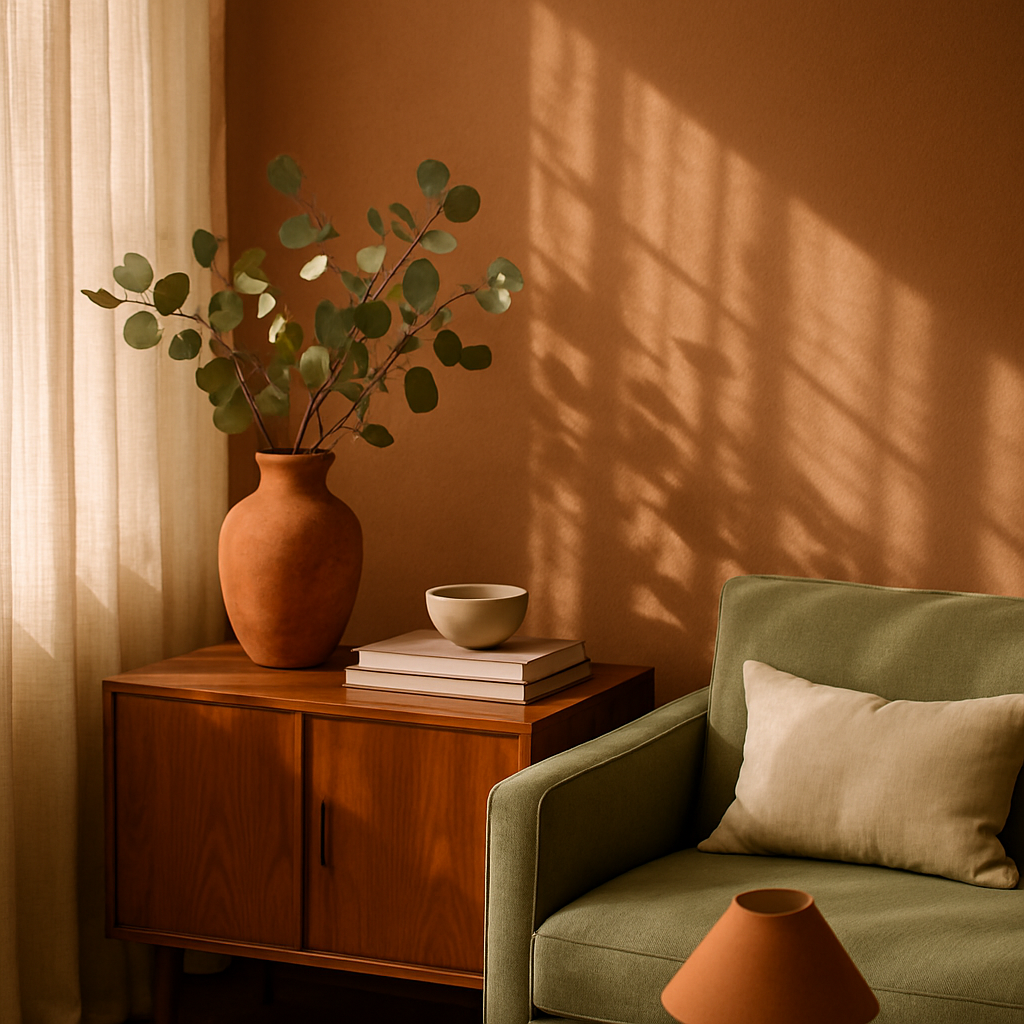
Imagine walking into a home where every detail feels intentional, every room a harmonious blend of style and function. According to a Houzz survey, 67% of homeowners reported enhanced enjoyment of their homes post-renovation. But how do you achieve such transformative results? This is where hiring a leading interior design company comes into play. In this guide, we'll navigate the essentials of selecting the right firm, explore the intricate process of design, provide actionable strategies for collaboration, and uncover the nuances that distinguish top-tier designers. Whether you're contemplating a single room makeover or a full-home overhaul, understanding these key elements will set you on the path toward achieving your own interior bliss.
Understanding the Role of Interior Design Companies
First, let's clarify what an interior design company actually does. These firms bring together a team of professionals skilled in creating aesthetically pleasing and functional spaces. Certified interior designers, often holding credentials like the NCIDQ (National Council for Interior Design Qualification), are equipped to handle everything from initial concept development to the final touches of styling. This certification ensures they have the knowledge and expertise required to tackle complex projects with confidence.
Interior design companies differ from decorators, who may not have formal training or certification. While decorators focus primarily on aesthetics, such as selecting colors and furniture, certified designers consider structural elements, building codes, and spatial planning. This comprehensive approach allows them to address both the beauty and practicality of your space. The distinction is crucial when deciding who to entrust with your project.
Why is this distinction important for you? When you hire a certified interior design company, you're investing in a process that integrates creative vision with technical skills. This synergy results in spaces that are not only stunning but also tailored to the way you live. As you plan your project, consider what aspects are most important to you and ensure your chosen firm aligns with those priorities.
Analyzing Cost Structures and Budgeting
One of the most common concerns when hiring an interior design company is cost. Understanding how these firms charge for their services will help you set realistic expectations and avoid surprises. Most design companies offer several fee structures: a flat fee, an hourly rate, or a percentage of the total project cost. Hourly rates typically range from $150 to $500, while project percentages can vary from 10% to 25% of the overall budget.
For a single room redesign, you might budget between $5,000 and $15,000, while a full-home project can easily exceed $50,000 to $150,000 or more. According to the American Society of Interior Designers (ASID), well-designed interiors can also increase a home's resale value by 5% to 15%, offering a potential return on investment. This financial insight highlights the importance of viewing design services as a long-term investment rather than an immediate expense.
Are you prepared to discuss budget openly with your designer? Transparency about financial constraints and goals will enable your design team to tailor their approach to suit your needs. It's also wise to allocate a contingency fund, typically 10% to 20% of your total budget, to cover unexpected costs or changes during the project.
Strategies for Selecting the Right Design Company
Armed with an understanding of interior design roles and costs, the next step is selecting the right company. Start by researching potential firms through platforms like Houzz, where you can browse portfolios and read client reviews. Look for a design company with experience in your desired style, whether it's Japandi, biophilic design, or smart home integration.
Experienced professionals often note that the best results come from a strong client-designer relationship. Arrange consultations with several firms to discuss your vision and assess their compatibility. During these meetings, pay attention to their communication style, responsiveness, and willingness to listen. A good designer will not only present their ideas but will also consider your input and concerns.
What are the key qualities you value in a design partner? Trust, transparency, and creativity should top the list. As you evaluate your options, keep these priorities in mind to ensure a successful collaboration. Remember, the right design company will feel like an extension of your own vision, bringing expertise and inspiration to the table.
Unpacking the Design Process
Once you've selected a design company, you'll embark on a multi-phase journey. The process typically begins with concept development, where the designer gathers insights into your lifestyle and preferences. This stage involves creating mood boards and sketches to visualize the project's direction. Platforms like Pinterest and Instagram can be invaluable for sharing inspiration and ideas with your designer.
After the concept is approved, the designer moves on to detailed design presentations. Here, you'll review floor plans, color palettes, and material samples. This phase is crucial for ensuring every element aligns with your vision. The next steps involve procurement and installation, where the design company coordinates ordering and delivery of furnishings, fixtures, and finishes.
Finally, the styling phase brings everything together, adding accessories and art to complete the look. Throughout this journey, maintain open communication with your designer to address any concerns and requests promptly. A collaborative approach will ensure the final result is both stunning and functional, reflecting your personal style.
Industry Insights: Trends and Innovations
Staying informed about the latest trends and innovations can enrich your design project. In 2026, biophilic design continues to gain momentum, emphasizing natural materials and indoor-outdoor flow. Meanwhile, the quiet luxury trend focuses on understated elegance, using high-quality materials and craftsmanship to create timeless interiors.
As technology advances, smart home integration becomes an essential consideration. Automated lighting, climate control, and window treatments are not just conveniences; they enhance the functionality and comfort of your home. Designers now frequently employ AR/VR tools to help clients visualize spaces before construction begins, offering a more immersive planning experience.
Are you intrigued by these emerging trends? Discuss them with your design company to explore how they can be incorporated into your project. A forward-thinking designer will be adept at blending innovative solutions with classic elements to create a space that is both contemporary and enduring.
Maximizing the Impact of Your Design Investment
As you approach the conclusion of your design journey, consider the broader impact of your investment. Beyond aesthetics, a well-designed space supports your lifestyle, enhances well-being, and fosters a sense of pride and satisfaction. The American Institute of Architects (AIA) emphasizes that thoughtful design improves quality of life, making your home a true sanctuary.
Reflect on the initial goals you set at the start of your project. Have they been met or exceeded? Evaluate how the new design aligns with your everyday needs and how it might adapt to future changes. This reflection will provide valuable insights for any future projects.
Ultimately, the success of your design project hinges on clear communication, trust, and collaboration. By choosing a reputable interior design company and actively engaging in the process, you'll achieve a result that not only looks beautiful but also enhances your quality of life.
Conclusion: Your Path to Interior Bliss
In summary, hiring a leading interior design company involves understanding their role, analyzing cost structures, selecting the right partner, navigating the design process, and embracing industry trends. By taking these steps, you're investing in a space that reflects your personality and meets your practical needs. Are you ready to transform your home into a haven of beauty and function?
Start by browsing designer portfolios on Houzz this week. Even a brief exploration will sharpen your eye for what you truly want in your space. This small step could be the beginning of your journey toward achieving interior bliss, where your home becomes a reflection of your aspirations and lifestyle.


Comments
Post a Comment