How to Transition from Hobbyist to Professional Interior Designer: A Step-by-Step Approach
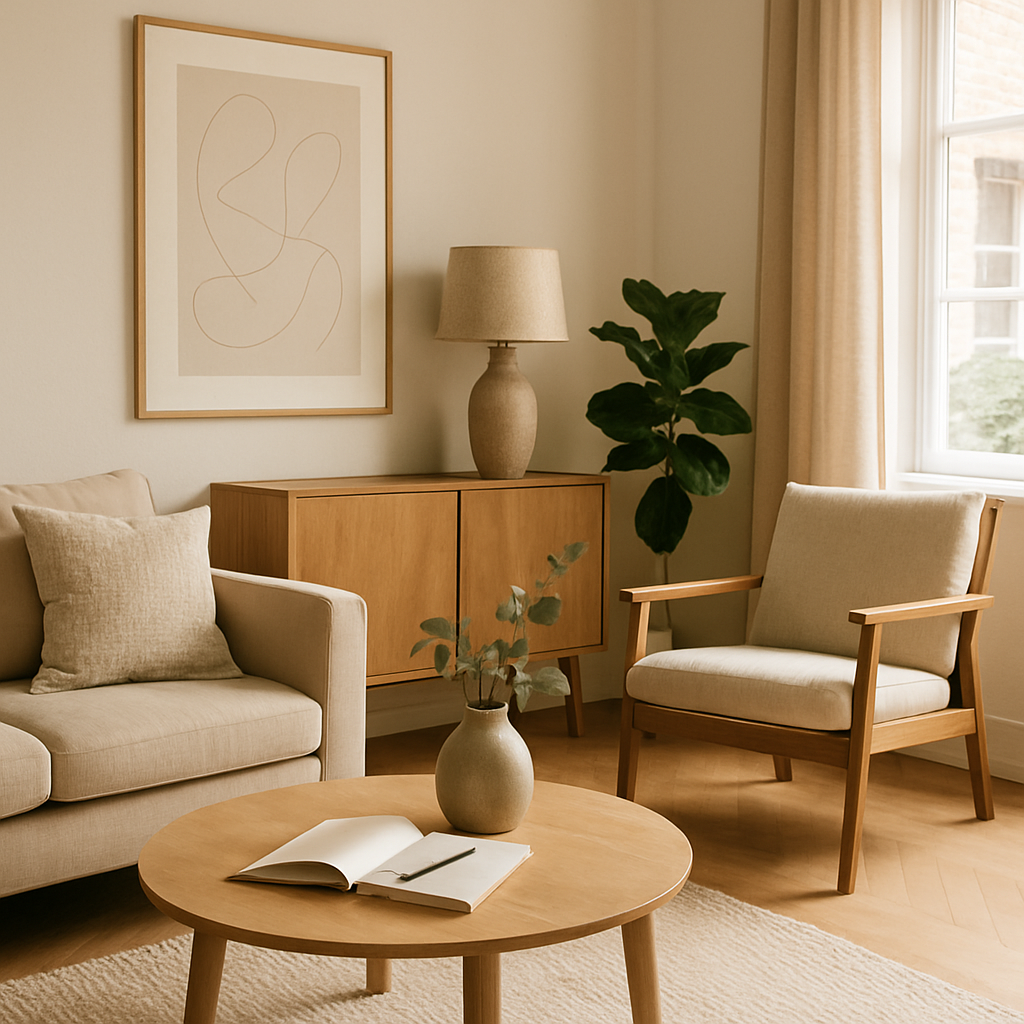
Have you ever walked into a room and instantly visualized how you could transform it? Many aspiring interior designers start as hobbyists, rearranging spaces and dreaming of larger projects. However, the leap from passion to profession requires more than just a knack for design. As you consider transitioning from a hobbyist to a professional interior designer, understanding the nuances of the industry is crucial. This article will guide you through foundational steps, expert insights, and actionable strategies to help you elevate your craft into a successful career. From grasping key principles to navigating industry certifications and building a robust portfolio, we'll cover all the essential elements needed to turn your design dreams into reality.
Understanding the Foundations of Interior Design
Interior design is not just about aesthetics; it's about creating functional spaces that reflect the personality and needs of the inhabitants. A solid understanding of design principles is fundamental for any aspiring professional. These principles include balance, harmony, and proportion. Balance involves the distribution of visual weight in a room, while harmony ensures that all elements complement each other. Proportion relates to the scale of objects in relation to space. These principles are not arbitrary; they are the backbone of creating spaces that feel right to those who occupy them.
Many hobbyists have a natural eye for design, but professional work requires deeper knowledge. The American Society of Interior Designers (ASID) emphasizes the importance of formal education in design theory and practice. Courses in color theory, spatial arrangements, and materials are vital. Moreover, understanding architecture and building codes is crucial, as these affect both the safety and functionality of a design. Are you prepared to invest time in learning these essential skills?
Another foundational aspect is distinguishing between an interior designer and a decorator. An interior designer often holds credentials such as the NCIDQ (National Council for Interior Design Qualification) certification, which showcases a deep understanding of design, safety, and building codes. While decorators focus on aesthetics, designers create comprehensive plans that address both form and function. Transitioning to a professional role means embracing this broader perspective, which is critical for career growth. Understanding these distinctions will set the stage for more in-depth exploration of the field.
The Role of Education and Certification
The shift from hobbyist to professional often begins with education. According to industry surveys, professionals with formal training in interior design tend to earn 20% more than their untrained counterparts. This underscores the value of education in this field. Institutions like the International Interior Design Association (IIDA) offer programs that equip students with the necessary skills to excel in the industry. These programs cover a range of topics, from advanced design software to business practices, preparing you for the multifaceted nature of the profession.
Certification is another critical step in your transition. The NCIDQ exam is widely regarded as a gold standard in the industry. Passing this exam demonstrates your proficiency in design principles, professional practice, and public health and safety. It's a rigorous test that requires both study and practical experience, but it's a credential that can significantly enhance your career prospects. Are you ready to commit to the challenge of certification?
Furthermore, continuing education is vital in an ever-evolving industry. Design trends shift frequently, with current movements like biophilic design and Japandi influencing modern aesthetics. Organizations like the Architectural Digest's AD PRO network offer resources to keep professionals updated on the latest trends and technologies. Staying informed about these changes ensures that your designs remain relevant and appealing to clients. As you pursue certification, remember that learning is a lifelong journey in this field.
Building a Professional Portfolio
Creating a professional portfolio is one of the most critical steps in transitioning from hobbyist to professional designer. Your portfolio serves as a visual resume, showcasing your skills, style, and versatility. Start by curating your best work, even if they are personal or pro bono projects. Quality matters more than quantity, so select pieces that highlight your ability to solve design challenges creatively.
Platforms like Houzz and Pinterest offer excellent opportunities to display your work and connect with potential clients. Houzz, for example, allows you to create a profile that includes detailed project photos, client reviews, and even mood boards. This visibility can attract clients looking for a designer with your specific style or expertise. Experienced professionals often note the importance of a cohesive portfolio that tells a story about your design journey and evolution.
As you build your portfolio, consider incorporating virtual reality (VR) or augmented reality (AR) tools. These technologies enable clients to visualize a finished space before implementation, enhancing their understanding and satisfaction. Many top designers now use these tools to offer clients a more immersive experience. Incorporating such innovations can set you apart from others in the field. Building a robust portfolio not only showcases your skills but also opens doors to new opportunities, setting the stage for more advanced strategies.
Networking and Building Client Relationships
Networking is an invaluable part of any professional journey, and interior design is no exception. Building relationships within the industry can lead to collaborations, referrals, and opportunities you might not find alone. Attend events hosted by local AIA (American Institute of Architects) chapters or join design-focused groups on social media platforms. Engaging with these communities will increase your visibility and help you establish a reputation within the industry.
Client relationships are equally crucial. Communication and trust are the foundations of successful collaborations. From the initial consultation to the final reveal, maintaining open and honest communication helps manage expectations and fosters a positive experience. Ask yourself: Are you ready to handle feedback constructively and adapt to client preferences while staying true to your design vision?
Moreover, experienced professionals often emphasize the importance of follow-up. After the completion of a project, a simple follow-up can lead to repeat business or referrals. Consider creating a feedback loop where clients can share their experiences and suggestions. This not only improves your service but also demonstrates your commitment to client satisfaction. Building strong relationships in the industry and with clients solidifies your standing as a trusted professional, paving the way for further expertise and specialization.
Specializing and Staying Ahead of Trends
Specialization can be a powerful differentiator in a competitive market. Consider focusing on a niche that aligns with your interests and strengths. Whether it's sustainable design, smart home technologies, or biophilic interiors, specializing allows you to hone specific skills and attract clients seeking those particular services. The growth of sustainable materials and technologies in design reflects a broader industry trend towards eco-consciousness, offering a lucrative niche for those prepared to innovate in this area.
Staying ahead of design trends is crucial for maintaining relevance. Regularly consult industry publications, attend workshops, and participate in webinars to stay updated. As trends like quiet luxury and understated elegance gain traction, incorporating these elements into your designs can make your work more appealing to contemporary clients. How do you plan to integrate current trends into your projects while maintaining your unique style?
Finally, consider the role of technology in design. Smart home integration is becoming increasingly popular, with clients expecting designers to incorporate automated lighting and climate control into their projects. Familiarizing yourself with these technologies not only enhances your service offerings but also positions you as a forward-thinking designer. Specializing and staying informed about industry trends can significantly enhance your career and prepare you for the final perspectives on transitioning to a professional role.
Final Perspectives on Your Design Career
Transitioning from a hobbyist to a professional interior designer is a journey that requires dedication, education, and strategic planning. As you embark on this path, remember that each project is an opportunity to learn and grow. Embrace feedback and use it to refine your skills and approach. Are you ready to continuously evolve and adapt to new challenges in the field?
Moreover, the interior design industry is one where passion and professionalism intersect. Your love for design will fuel your creativity, while your commitment to professionalism will ensure your success. Balancing these aspects will enable you to create spaces that are not only beautiful but also functional and meaningful. With the right mindset and preparation, you can achieve a fulfilling and prosperous career in interior design.
Conclusion: Taking the Next Steps
In summary, the transition from hobbyist to professional interior designer is a multifaceted process that involves education, certification, portfolio development, networking, and specialization. Each of these steps builds upon the last, creating a foundation for a successful career. As you pursue this path, remember to stay curious and open to learning. The interior design industry is dynamic, offering endless possibilities for those willing to innovate and adapt.
Your journey begins with a single step. Start by researching design schools and certification programs that align with your goals. Consider dedicating some time this week to explore portfolios on platforms like Houzz to gain inspiration and insights. Even a brief period of focused research can sharpen your understanding of the field and set you on the path to professional success. Are you ready to take the first step towards transforming your passion into a profession?



Comments
Post a Comment