How to Transform Your Space with Sustainable Interior Design Ideas
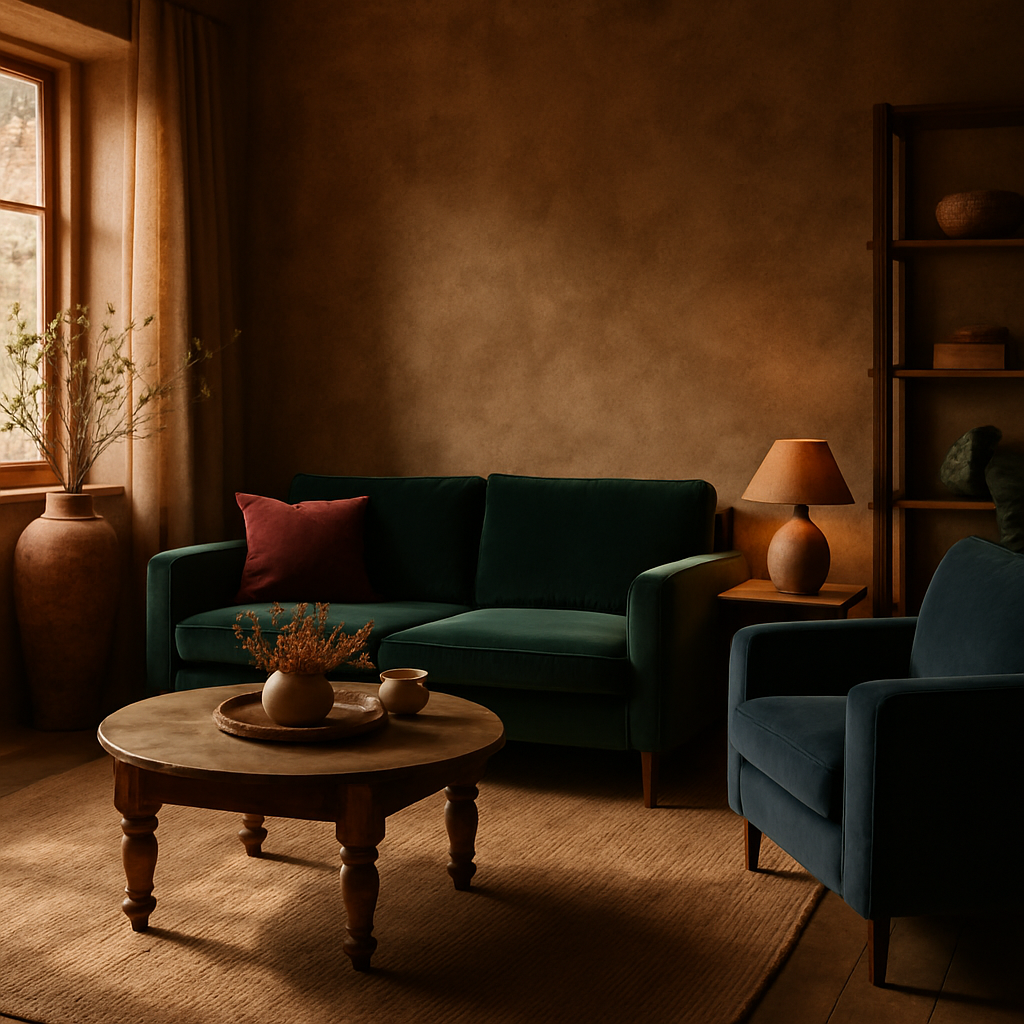
Imagine stepping into a room that not only looks beautiful but also contributes positively to the environment. According to the American Society of Interior Designers (ASID), sustainable design is increasingly becoming a priority, with over 70% of consumers prioritizing eco-friendly materials in their renovation projects. In this article, we'll explore how you can transform your space using sustainable interior design ideas, examining foundational concepts, industry data, actionable strategies, and expert insights to create a stylish and eco-conscious home. Whether you're redesigning a single room or your entire home, these ideas offer a roadmap to a more sustainable lifestyle.
Understanding Sustainable Interior Design
Sustainable interior design is more than just a trend; it's a movement towards creating spaces that are environmentally responsible. At its core, it involves the use of materials, products, and practices that reduce negative impacts on the environment. This includes everything from choosing non-toxic paints to using energy-efficient appliances. By focusing on sustainability, you're not only enhancing your living space but also contributing to the well-being of the planet.
One of the key principles of sustainable design is the use of natural and renewable materials. This can include items such as bamboo flooring, reclaimed wood, and organic fabrics. These materials not only minimize environmental impact but also add a unique aesthetic to your home. According to Houzz, homeowners who incorporate natural materials often report higher satisfaction with their renovation projects, citing both aesthetic and environmental benefits.
Additionally, sustainable design emphasizes energy efficiency. This can be achieved by incorporating LED lighting, smart thermostats, and energy-efficient appliances. These choices not only reduce your carbon footprint but also result in significant savings on utility bills. As we delve further into the article, we'll explore how these foundational concepts can be applied in your home to create a sustainable sanctuary.
The Impact of Sustainable Design: Data and Analysis
When considering a sustainable redesign, it's important to look at the numbers. Industry surveys suggest that incorporating sustainable elements can increase a home's resale value by 5-15%. This statistic highlights the growing demand for eco-friendly homes and the potential financial benefits of sustainable design. But how do these numbers translate to actual design choices?
Research from the National Association of Home Builders (NAHB) indicates that nearly 50% of home buyers are willing to pay more for a home with sustainable features. This willingness reflects a broader shift in consumer priorities, where the environmental impact of design choices is becoming a critical factor. Sustainable design is no longer just about aesthetics; it's about creating a healthier home environment.
In practical terms, this means choosing products that have been certified by organizations like the Forest Stewardship Council (FSC) or ENERGY STAR. These certifications ensure that materials are sourced responsibly and that products meet strict environmental standards. By incorporating certified materials into your design, you not only enhance your space but also support sustainable industry practices.
Actionable Strategies for Sustainable Design
Ready to make your home more sustainable? Start by evaluating the materials you currently use. Are they environmentally friendly? If not, consider replacing them with sustainable alternatives. For instance, swap out synthetic carpets for those made from natural fibers like wool or jute. These materials are biodegradable and offer a chic, organic look.
Another actionable strategy is to incorporate vintage or reclaimed furniture into your design. Not only do these pieces add character, but they also reduce the demand for new resources. Shopping at thrift stores or antique markets can yield unique finds that align with sustainable practices. Additionally, refurbishing old furniture gives you the opportunity to customize pieces to fit your aesthetic.
Consider integrating energy-efficient technology into your home. Smart home systems, such as automated lighting and climate control, can significantly reduce energy consumption. According to the U.S. Department of Energy, using smart thermostats can save you up to 10% a year on heating and cooling. By implementing these technologies, you're taking tangible steps toward a more sustainable living environment.
Expert Insights on Implementing Sustainable Design
Experienced professionals often note that the key to successful sustainable design lies in thoughtful planning. Before making any changes, map out how you actually use each room. This approach helps you identify areas where sustainable improvements can be made. For example, in high-traffic areas, durable, eco-friendly flooring options like cork or bamboo are ideal choices.
The integration of biophilic design-an approach that connects interiors with the natural environment-is another expert-recommended strategy. This can be achieved through the use of natural light, indoor plants, and water features. Biophilic design not only enhances aesthetic appeal but also improves mental well-being by creating a calming atmosphere.
Moreover, professionals in the field emphasize the importance of working with certified interior designers who hold credentials such as NCIDQ (National Council for Interior Design Qualification). These experts are trained in the latest sustainable practices and can guide you in making informed decisions that align with environmental goals.
Taking Sustainable Design to the Next Level
For those looking to take their sustainable design efforts even further, consider the incorporation of smart home integration. This includes automated window treatments, energy-efficient lighting systems, and advanced climate control solutions. These technologies not only enhance convenience but also significantly reduce energy usage.
Another advanced strategy is to use augmented reality (AR) and virtual reality (VR) tools for room visualization. These tools allow you to experiment with different design options without the need for physical materials, reducing waste and ensuring that your final choices are both practical and sustainable. Platforms like Houzz offer AR/VR capabilities that can help you visualize your new space before making any commitments.
Finally, consider the long-term impact of your design choices. By choosing durable, timeless pieces over trendy, disposable items, you ensure that your interior remains stylish and functional for years to come. This approach not only supports sustainability but also aligns with the growing trend towards quiet luxury and understated elegance.
Concluding Sustainable Design Practices
As we wrap up our exploration of sustainable interior design ideas, it's crucial to reflect on the broader implications of our design choices. By adopting sustainable practices, you're not only creating a beautiful home but also contributing to a healthier planet. Every material chosen and every design decision made has the potential to impact the environment positively.
Consider this: How can you make small changes in your daily life to support sustainability? Whether it's by choosing eco-friendly materials or integrating smart technology, every step counts. Sustainable design is a journey, and every decision brings us closer to a more responsible way of living.
Conclusion and Next Steps
In summary, transforming your space with sustainable interior design ideas involves a thoughtful approach to materials, technology, and aesthetics. By prioritizing sustainability, you're investing in both your home and the environment. Ready to start your sustainable design journey? Begin by browsing portfolios on platforms like Houzz and exploring the credentials of certified interior designers in your area. Even 20 minutes of research will sharpen your eye for what you want and introduce you to the possibilities of sustainable living.



Comments
Post a Comment