How to Merge Comfort and Style in Industrial Interior Design
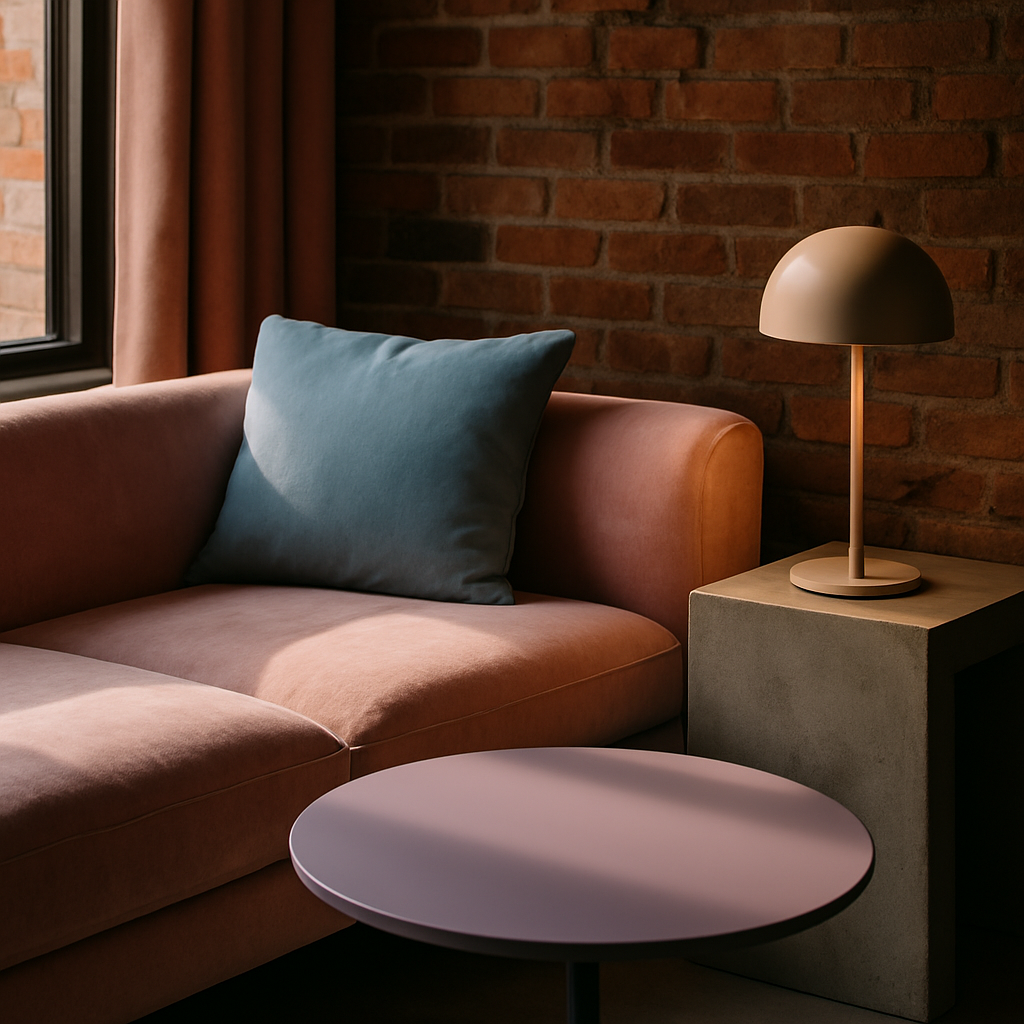
The allure of industrial interior design lies in its raw, unfinished beauty, but how do you make a space feel inviting without sacrificing its edgy charm? Imagine a loft with exposed brick walls, steel beams, and oversized windows - a quintessential industrial space. Yet, stepping inside, you find plush seating, warm textiles, and curated decor that make it feel like home. This blend of comfort and style in industrial design is not only achievable but can elevate the appeal of any home. In this article, we'll explore the foundational concepts of industrial design, analyze data-driven trends, and provide actionable strategies for merging comfort with industrial aesthetics. We'll draw insights from leading organizations like Houzz and ASID to ensure your space is as functional as it is fashionable.
Understanding the Foundations of Industrial Design
Industrial interior design is rooted in the architecture of warehouses and factories, characterized by its use of raw materials such as exposed brick, steel, and concrete. Its minimalist approach emphasizes open floor plans and high ceilings, often incorporating large windows that flood spaces with natural light. This style emerged in the 20th century when old industrial spaces were repurposed into residential areas, maintaining their structural elements as part of the decor. The essence of industrial design is to celebrate these raw materials rather than disguise them, creating a space that feels both authentic and practical.
However, merely showcasing raw materials can result in a space that feels cold or stark. To address this, designers often incorporate softer elements such as textiles, rugs, and furniture with plush upholstery. These elements introduce warmth and comfort, balancing the austere industrial features. It's crucial to strike a balance - adding just enough softness to make the space livable without detracting from its industrial roots. This balance is what transforms an industrial shell into a cozy haven.
The use of color also plays a significant role in industrial design. Neutral palettes dominate, with shades of gray, black, and brown complimenting the natural materials. Yet, introducing pops of color through art or decorative accessories can personalize the space, making it more inviting. The key is subtlety; too much color can disrupt the harmony, while too little can leave the space feeling bland. Moving forward, we'll examine how these foundational elements are evolving in contemporary design.
Modern Trends in Industrial Design: Data and Insights
Recent trends in industrial interior design reveal a shift towards incorporating more sustainable materials and technology. According to Houzz's annual survey, more than 60% of homeowners are prioritizing eco-friendly materials in their remodeling projects. This trend aligns with the broader industry movement towards sustainability, incorporating reclaimed wood, recycled metal, and energy-efficient lighting into industrial spaces. Designers are finding creative ways to integrate these sustainable elements without compromising the industrial aesthetic.
The integration of smart home technology is another trend gaining traction. From automated lighting systems to climate control, technology enhances both the functionality and comfort of industrial spaces. This is particularly appealing to tech-savvy homeowners looking to streamline their living environments. The International Interior Design Association (IIDA) notes that tech integration is becoming a standard expectation in modern interior projects, offering convenience and increasing property value.
Another significant trend is the embrace of biophilic design principles, which introduce natural elements into urban settings. This includes incorporating indoor plants, living walls, and maximizing natural light. Research suggests that such elements can improve mental health and wellbeing, providing a counterbalance to the hard industrial elements. As we move forward, consider how these modern trends can be applied to your space, enhancing both its style and comfort.
Actionable Strategies for Merging Comfort and Style
Are you ready to transform your industrial space into a cozy yet stylish retreat? Start by evaluating your current furnishings. Consider swapping out hard, angular furniture for pieces with softer lines and more comfortable upholstery. Look for chairs and sofas with deep seating and durable yet plush fabrics. Adding layers through throws and cushions can also introduce warmth and texture, making the space more inviting.
Next, think about lighting. Industrial spaces can often feel dim, so adding a variety of light sources is essential. Consider pendant lights with Edison bulbs for an authentic industrial look, alongside floor lamps and table lamps to create a layered lighting scheme. This not only enhances the room's ambiance but also highlights architectural features and art pieces. Experienced professionals often note that lighting is as much about function as it is about creating mood.
Another strategy is to incorporate personal touches that reflect your style. This could be through artwork, books, or travel souvenirs. These elements add character and warmth, making the space uniquely yours. Remember, industrial design is about juxtaposition - combining the old with the new, the rough with the refined. As you personalize your space, think about how each item contributes to this balance. Now, let's delve into expert insights that can elevate your design.
Expert Insights for Elevating Your Industrial Space
Certified interior designers, such as those accredited by the NCIDQ (National Council for Interior Design Qualification), emphasize the importance of planning and proportion in industrial design. One common mistake is overcrowding a space, which can detract from the open, airy feeling that is a hallmark of this style. Instead, focus on a few key pieces that make a statement and allow plenty of room for movement. This approach not only enhances comfort but also maintains the integrity of the industrial aesthetic.
Designers also recommend paying close attention to acoustics, especially in open-plan industrial spaces. Hard surfaces like concrete and steel can amplify noise, making spaces feel echoey and less comfortable. Incorporating soft materials such as rugs, curtains, and upholstered furniture can help absorb sound, creating a more pleasant auditory environment. This is an often-overlooked aspect that can significantly impact how a space feels.
Finally, consider the role of craftsmanship in industrial design. High-quality materials and expert craftsmanship can elevate the overall aesthetic, ensuring longevity and timeless appeal. Whether it's a custom-made dining table or a handcrafted light fixture, these elements can serve as focal points that enhance both style and comfort. As we continue, we'll explore additional details that can further enrich your design.
Additional Details to Enrich Your Industrial Design
Texture is a critical component in industrial design, adding depth and interest to a space. Mixing different textures, such as metal, wood, and fabric, creates a rich tapestry that invites touch and exploration. Consider incorporating reclaimed wood for its unique grain patterns and historical character, which can add warmth and a sense of story to your space.
Color, as previously mentioned, plays a pivotal role. While neutral tones form the base, don't shy away from incorporating subtle hues. Soft pastels or deep jewel tones can add sophistication and depth. According to Architectural Digest's AD PRO network, using color strategically can guide the eye and create visual harmony within the space, enhancing both comfort and style.
Finally, focus on creating distinct zones within open industrial layouts. This can be achieved through furniture arrangement, area rugs, or even partial partitions. Zoning helps define spaces for different activities, such as dining, lounging, or working, adding functionality and comfort. The next section will provide final perspectives on merging style and comfort in industrial design.
Final Perspectives on Industrial Design
Successfully merging comfort and style in industrial interior design requires a thoughtful balance of form and function. As you incorporate the various elements discussed - from sustainable materials to smart technology - consider how each decision enhances the overall ambiance. Does your space feel inviting yet maintain its industrial edge? Are the elements you've chosen both practical and aesthetically pleasing?
Engaging with platforms like Houzz and consulting with certified interior designers can provide additional inspiration and guidance. Whether you're embarking on a full renovation or simply refreshing a room, remember that the goal is to create a space that reflects your personality while honoring the industrial style. As we conclude, consider the specific steps you can take to start this transformation.
Industrial design offers endless possibilities for creativity and personalization. By blending comfort with style, you can create a space that is both functional and beautiful. Are you ready to start your design journey?
Conclusion: Your Path to a Stylish Industrial Space
Incorporating comfort into industrial interior design doesn't mean relinquishing its characteristic rawness. Instead, it involves enhancing the space's usability and warmth through thoughtful design choices. By understanding foundational concepts, embracing modern trends, and applying expert advice, you can transform any industrial space into a welcoming home.
Your next step? Start by browsing designer portfolios on platforms like Houzz this week. Even dedicating 20 minutes to research can sharpen your eye for design elements that resonate with you. Remember, the key to a successful industrial design is balance - combining the best of comfort and style to create a space that truly feels like yours.


Comments
Post a Comment