How to Choose the Right Interior Designer Near Me for Your Style
How to Choose the Right Interior Designer Near Me for Your Style
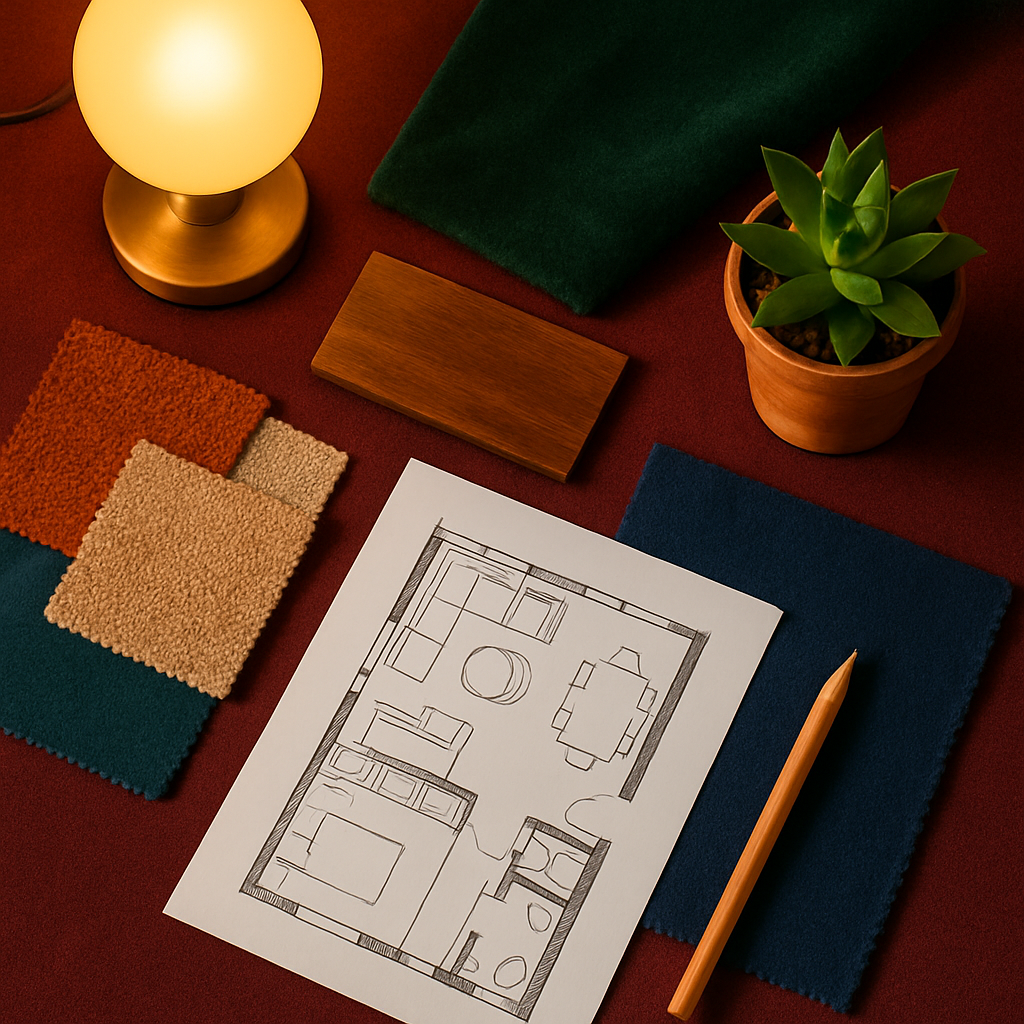
Have you ever walked into a beautifully designed space and felt an immediate sense of comfort and style? That seamless blend of aesthetics and function doesn't happen by accident. According to the American Society of Interior Designers (ASID), a well-designed home can increase its resale value by up to 15%. If you're considering hiring a professional to transform your space, you're likely wondering, "How do I choose the right interior designer near me for my style?" This article will guide you through the process, from understanding the different types of professionals to navigating fee structures and utilizing design tools. Let's delve into how you can make an informed choice.
Understanding the Types of Design Professionals
When embarking on a design project, it's crucial to understand the distinctions between various design professionals. Certified interior designers, who often hold credentials such as the NCIDQ (National Council for Interior Design Qualification), have undergone rigorous training and testing to ensure they meet industry standards. These professionals typically handle comprehensive design needs, from space planning to selecting materials. On the other hand, interior decorators focus primarily on aesthetic elements like color schemes and furniture placement, often without formal certification.
While decorators can certainly enhance a space, hiring a certified designer is advisable for more complex projects that require structural changes or intricate design. The International Interior Design Association (IIDA) provides a directory of certified professionals, which can be a valuable resource in your search. Additionally, experienced professionals often note that certified designers are more adept at integrating modern trends such as biophilic design and smart home technology.
Are you considering a full-home remodel or just a single-room refresh? Your project's scope will dictate the type of professional you need. Understanding these distinctions will help you make an informed decision and ensure that your project's needs are met effectively. With this foundational knowledge, you can confidently proceed to evaluate potential designers.
Evaluating Credentials and Experience
Once you've identified the type of professional you're seeking, it's time to delve into their credentials and experience. According to Houzz's annual survey, homeowners who hired certified professionals reported higher satisfaction levels, with over 70% noting that their projects stayed on budget and met their style preferences. Credentials such as those from the ASID or NCIDQ indicate a designer's commitment to maintaining high industry standards.
Beyond formal credentials, consider the designer's portfolio and past work. Platforms like Houzz and Instagram offer extensive portfolios that showcase a designer's style and versatility. Look for projects that resonate with your vision and ask yourself, "Does this designer's work align with my taste?" Exploring past projects can provide insight into a designer's ability to adapt to various styles, from Japandi minimalism to quiet luxury.
Experience is not just about years in the field but also about the diversity of completed projects. A designer who has successfully managed both small-scale and extensive renovations can offer a broader perspective and a wealth of problem-solving skills. After evaluating credentials and experience, you're better positioned to narrow down potential candidates and assess their compatibility with your project.
Setting a Budget and Understanding Fee Structures
Before you engage with a designer, it's essential to establish a realistic budget. According to industry standards, single-room redesigns typically range from $5,000 to $15,000, while full-home projects can exceed $150,000. Understanding the fee structures used by designers will help you manage your budget effectively. Designers may charge a flat fee, an hourly rate (ranging from $150 to $500 per hour), or a percentage of the total project cost, usually between 10-25%.
Some designers also apply procurement markups on furniture and materials, which can impact your overall budget. It's crucial to discuss these details upfront to avoid surprises later. Experienced professionals often recommend transparency in these discussions to foster trust and ensure a smooth working relationship.
Consider your budget as a guiding framework but remain open to adjustments based on the design's complexity and your evolving needs. Once you're clear on your financial parameters, you can have open discussions with potential designers about their fee structures and how they align with your budget. With a budget in place, you're ready to explore design processes and collaborations.
Navigating the Design Process and Collaboration
Designing a space is a collaborative process that involves several key phases: concept development, design presentation, procurement, installation, and styling. During the initial concept development stage, you and your designer will establish a vision for the project. This is where your input is most valuable, as it sets the tone for the entire design process.
As you move into the design presentation phase, your designer will offer detailed plans and visualizations, often utilizing AR/VR tools to enhance your understanding of the proposed design. These technologies allow you to virtually walk through your redesigned space, providing a clearer picture of the final outcome. Are you open to innovative technologies that can bring your vision to life?
Effective communication is critical throughout the process. Regular updates and feedback sessions will ensure that the project stays on track and aligns with your expectations. A collaborative approach not only enhances the design outcome but also enriches your experience, making the journey as rewarding as the destination. With a process in place, it's time to explore expert insights on maximizing your project's potential.
Expert Insights on Design Trends and Innovations
Staying abreast of current design trends can significantly influence your project. In 2026, trends like sustainable and reclaimed materials, as well as Japandi design, are gaining momentum. The integration of smart home technologies, such as automated lighting and climate control, can also enhance both the functionality and aesthetic appeal of your space.
Experts from Architectural Digest's AD PRO network emphasize the importance of incorporating biophilic design elements, such as natural light and indoor plants, to create a healthier living environment. This trend not only boosts aesthetic appeal but also has been shown to improve mental well-being and productivity.
Would you like your home to reflect these cutting-edge trends? Collaborate with your designer to explore how these elements can be seamlessly integrated into your project. The insights gained from understanding and incorporating these trends will ensure that your space remains stylish and functional for years to come. With expert insights in hand, let's consider some additional perspectives to enrich your project further.
Additional Perspectives to Consider
In addition to embracing trends, consider the unique aspects of your lifestyle and how they influence your design choices. For instance, if you entertain frequently, prioritize open spaces and seating arrangements that foster social interaction. On the other hand, if you value privacy and relaxation, focus on creating serene, private retreats within your home.
Experienced designers often suggest conducting a lifestyle audit to understand how you use your space daily. This involves mapping out common activities and identifying areas for improvement. Are there spaces that feel underutilized or cluttered? By addressing these pain points, you can enhance both the functionality and enjoyment of your home.
Additionally, consider the long-term implications of your design choices. Opt for timeless materials and styles that can adapt to future trends and personal changes. With these perspectives in mind, you're well-equipped to make informed decisions that will enhance your living space. Now, let's wrap up with a concise summary and actionable steps you can take.
Final Perspectives on Choosing the Right Designer
Choosing the right interior designer involves a thoughtful blend of research, personal reflection, and strategic planning. By understanding the distinctions between various design professionals, evaluating credentials, setting a budget, and embracing collaborative processes, you can find a designer who aligns with your vision and style. The insights and trends discussed here offer a roadmap to transforming your space into a reflection of your personality and lifestyle.
Remember, the design process is as much about the journey as it is about the destination. The conversations, creative exchanges, and problem-solving along the way enrich the final outcome. Are you ready to embark on this journey with confidence and clarity? By following these guidelines, you're well on your way to creating a space that not only meets but exceeds your expectations.
Conclusion
In summary, selecting the right interior designer near you requires careful consideration and informed decision-making. With the guidance provided here, you're equipped to navigate this process with confidence. Start by browsing portfolios on platforms like Houzz and Instagram this week-even 20 minutes of research will sharpen your eye for what you want. Engage in conversations with potential designers to ensure their vision aligns with yours. With these steps, you'll transform your living space into a personalized sanctuary that reflects your style and enhances your life.


Comments
Post a Comment