How to Learn from Interior Design Masters: Tips for Aspiring Designers
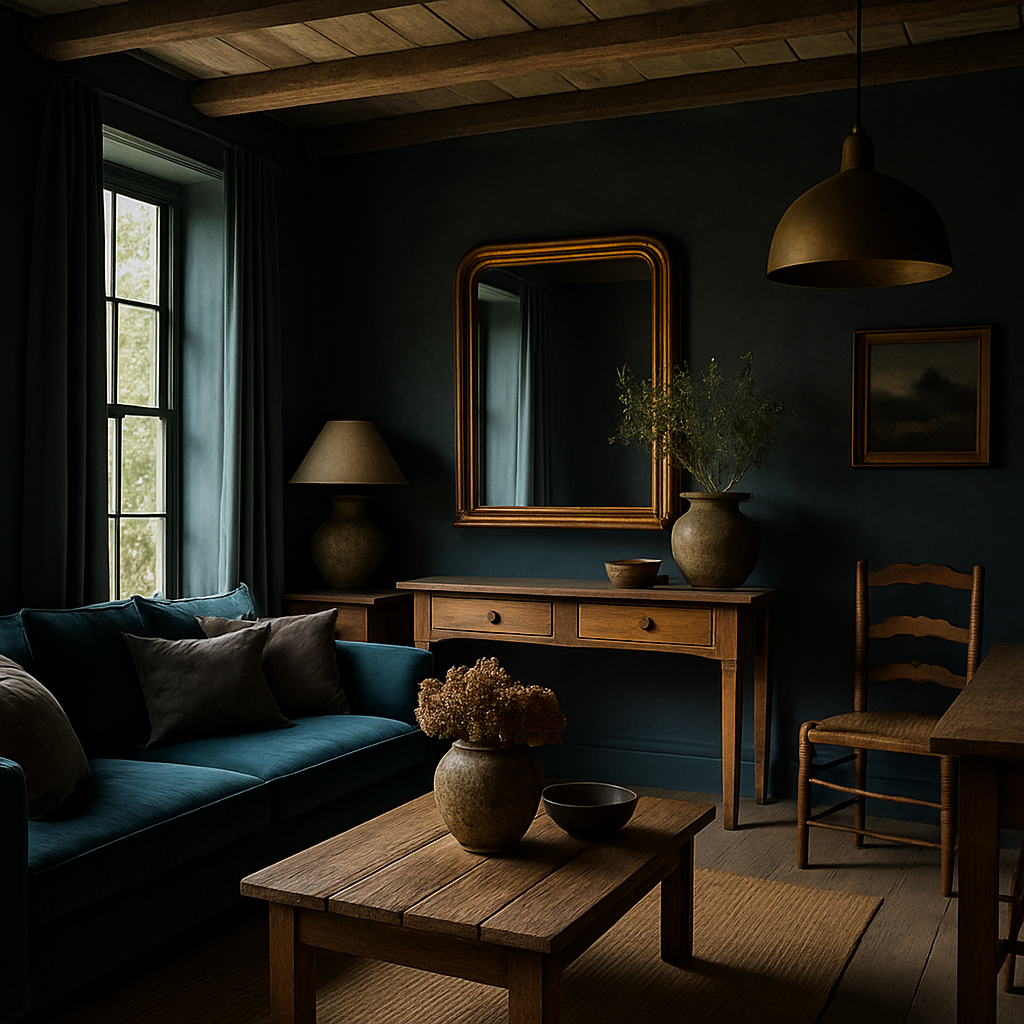
Imagine walking into a room and feeling instantly at ease-the colors, textures, and layout perfectly harmonized. This is the signature of an interior design master. According to the American Society of Interior Designers (ASID), well-designed interiors can increase a home's resale value by 5-15%, making the art of interior design not just about aesthetics but also a smart investment. Aspiring designers often wonder how they can emulate these seasoned experts. This article will explore foundational concepts, analyze industry data, provide actionable strategies, delve into expert-level details, and offer additional insights to help you learn from the best in the field.
Understanding Foundational Design Concepts
At the heart of every successful interior design lies a deep understanding of foundational concepts. These basics provide the framework upon which all great design is built. One of the first steps is mastering the elements of design: line, shape, form, texture, and color. These elements are the building blocks that guide the visual and tactile interactions within a space. For instance, the strategic use of lines can create movement and guide the eye, while texture adds depth and interest.
Functionality is another cornerstone of effective design. How a space is used should dictate how it is designed. Are you considering where family members gather or how natural light moves through the room throughout the day? Mapping out these practical aspects ensures that aesthetics do not compromise usability. This consideration is essential for creating spaces that are both beautiful and livable.
Lastly, balance is crucial in design. This doesn't mean symmetry in every element, but rather a sense of equilibrium that considers visual weight. Experienced professionals often note that achieving balance involves a combination of symmetry, asymmetry, and radial balance, each offering a different dynamic to a room. With these foundational concepts, you are equipped to begin creating cohesive and inviting interiors.
Once you internalize these foundational principles, you can begin to layer in more complex considerations that define a master designer's touch.
Analyzing Industry Data and Trends
Staying informed about current trends and data is vital for any aspiring interior designer. According to Houzz's annual survey data, homeowners continue to invest significantly in home renovations, with spending often ranging from $5,000 to $15,000 for a single room redesign. Understanding where clients are willing to invest can guide your design proposals and ensure they align with market demand.
Moreover, biophilic design has been gaining traction, with more clients seeking natural materials and indoor-outdoor flow. This design trend not only enhances aesthetic appeal but also promotes well-being by connecting occupants with nature. Industry surveys suggest that incorporating elements such as living walls or natural textures can significantly increase client satisfaction and project success.
Smart home integration is another trend on the rise. As technology becomes more embedded in daily life, clients increasingly desire automated lighting, climate control, and window treatments. Familiarizing yourself with these technologies and understanding how to incorporate them into your designs can set you apart in a competitive field. These trends highlight the importance of adaptability and continuous learning in your design journey.
With a grasp of current trends and data, you can now start applying actionable strategies to bring your designs to life.
Crafting Actionable Strategies for Design Success
One of the most effective ways to learn from interior design masters is by examining and emulating their processes. Start by developing your design concept thoroughly. This includes creating mood boards and sketches to visualize ideas and gather feedback. Tools like Pinterest and Houzz are invaluable for collecting inspiration and refining your aesthetic vision.
Next, consider the use of AR/VR room visualization tools, which are becoming increasingly popular among professionals. These tools allow you to present your concepts in a dynamic and interactive way, helping clients to fully understand and engage with your vision. This technology can also streamline the approval process, reducing the number of revisions and enhancing client satisfaction.
Networking is another strategic approach to learning. Engage with professional organizations such as the IIDA (International Interior Design Association) and attend industry events to connect with seasoned designers. These interactions provide valuable insights and mentorship opportunities. Often, the design community is generous with advice, offering a wealth of knowledge for those eager to learn. With these strategies, you can enhance your skills and continue to grow as a designer.
By implementing these strategies, you are well-positioned to dive deeper into the expert-level details that characterize a master's work.
Diving into Expert-Level Details
As you progress in your design career, understanding the nuances that set masters apart is essential. This often involves an intimate knowledge of materials and finishes. Experienced designers can differentiate between subtle variations in textures and colors, selecting those that perfectly complement each other to create harmony in a room.
Another key aspect is mastering the art of lighting. Lighting can dramatically alter the atmosphere of a space, and skilled designers use it to highlight architectural features, create mood, and enhance functionality. Whether it's ambient, task, or accent lighting, knowing how to layer these elements effectively can transform a room's dynamic entirely.
Finally, consider the importance of sustainability in design. With growing awareness of environmental impact, using sustainable and reclaimed materials is not only trendy but also responsible. Clients increasingly value eco-friendly designs, and being able to source and implement these materials can significantly enhance your design proposals. By focusing on these expert-level details, you refine your craft and set yourself apart in the industry.
With a strong grasp of expert-level details, you can now explore additional insights that enhance your design approach.
Exploring Additional Insights for Aspiring Designers
One of the most valuable insights is understanding the business side of design. This includes familiarizing yourself with various fee structures such as flat fees, hourly rates, and percentage-based fees. According to ASID, designers typically charge $150-$500 per hour or 10-25% of the total project cost. Knowing how to price your services competitively is crucial for attracting clients and ensuring profitability.
Additionally, consider the importance of branding and marketing. In a digital age, having a strong online presence is essential. Platforms like Instagram and your professional website serve as portfolios that showcase your style and skills. Engaging with followers and potential clients through these platforms can significantly increase your reach and business opportunities.
Moreover, the value of continuous education cannot be overstated. Pursuing certifications such as the NCIDQ (National Council for Interior Design Qualification) can bolster your credentials and credibility. Many successful designers invest in ongoing learning to stay on top of trends and enhance their expertise. As you integrate these insights into your practice, you will find yourself more equipped to tackle the challenges of the design world.
Equipped with these additional insights, we can now reflect on the journey of learning from interior design masters.
Final Perspectives on Learning from Masters
Learning from interior design masters involves a blend of studying foundational concepts, staying informed about industry trends, and applying actionable strategies. It also requires a commitment to understanding expert-level details and integrating additional business insights. This holistic approach ensures that you not only develop your design skills but also build a successful and sustainable career.
As you continue your journey, remember to engage actively with the design community, seek mentorship, and never stop learning. The world of interior design is ever-evolving, and staying adaptable is key to thriving. What will you do today to step closer to mastering your craft? Perhaps it's time to reach out to a mentor or attend a design workshop.
Conclusion
In summary, emulating interior design masters requires dedication, curiosity, and a willingness to continually refine your craft. From foundational concepts to expert-level details, each aspect of this journey contributes to your growth as an aspiring designer. Are you ready to take the next step in your design career? Start by browsing portfolios on Houzz or Instagram this week-spending even 20 minutes can sharpen your eye for what you want to achieve. By immersing yourself in the world of interior design, you are well on your way to creating spaces that captivate and inspire.



Comments
Post a Comment