How to Infuse Sustainability into Modern Interior Design for a Greener Home
Have you ever walked into a beautifully designed home only to feel a pang of guilt about its environmental impact? According to the American Society of Interior Designers (ASID), over 70% of homeowners now prioritize sustainability in their design choices. This growing trend reflects a shift towards eco-conscious living, driven by a desire to reduce carbon footprints and embrace green alternatives. In this article, we'll explore how to effectively integrate sustainability into modern interior design, offering a roadmap for creating an eco-friendly home. From foundational concepts and data-backed insights to actionable strategies and expert-level details, you'll discover how to make your home both stylish and sustainable.
Understanding Sustainable Interior Design
Sustainable interior design is more than just a trend; it's a commitment to creating spaces that are environmentally responsible and resource-efficient. This approach involves the careful selection of materials, processes, and products that minimize negative impacts on the environment. For instance, using reclaimed wood or recycled metal not only reduces waste but also cuts down on the energy required for production. Industry professionals often emphasize the importance of life cycle assessments, which evaluate the environmental impact of products from production to disposal.
A key aspect of sustainable design is understanding the difference between renewable and non-renewable resources. Renewable resources, such as bamboo or cork, can regenerate quickly, making them ideal choices for flooring or wall treatments. In contrast, non-renewable resources like certain plastics and metals are finite, and their extraction can be harmful to ecosystems. This distinction is crucial for making informed decisions that align with sustainability goals.
Another foundational concept is the integration of energy-efficient systems. Modern interior designs can incorporate smart home technologies that regulate lighting, heating, and cooling to reduce energy consumption. For example, automated window treatments that adjust based on sunlight can significantly lower electricity usage. As we delve further into sustainable design, we'll see how these principles can transform your living space into an eco-friendly haven.
The Impact of Sustainable Choices: Data and Insights
When it comes to sustainable interior design, numbers speak volumes. According to a recent Houzz report, homeowners who invested in green renovations reported a 15% reduction in energy costs. This highlights the financial benefits of sustainability, making it not only an ethical choice but also an economically sound investment. Energy-efficient appliances and LED lighting, for example, can lead to substantial savings over time.
Moreover, the environmental impact of sustainable design is significant. The U.S. Environmental Protection Agency (EPA) estimates that buildings account for approximately 39% of carbon dioxide emissions. By choosing eco-friendly materials and systems, homeowners can contribute to a decrease in these emissions. This shift towards greener homes can help mitigate climate change, an urgent issue facing our planet today.
Industry surveys suggest that sustainable designs can also enhance property values. Well-designed sustainable homes are known to yield a 5-15% higher resale value compared to conventional homes. This increase is attributed to the growing demand for energy-efficient and environmentally friendly properties. As you consider your next design project, it's worth contemplating how sustainable choices can add both immediate and long-term value to your home.
Actionable Strategies for a Greener Home
Ready to transform your home into a model of sustainable living? Start by conducting an audit of your current materials and systems. Identify areas where you can switch to eco-friendly alternatives, such as replacing old carpets with natural fiber rugs or installing low-flow water fixtures. Experienced professionals often note that small changes can lead to significant environmental benefits over time.
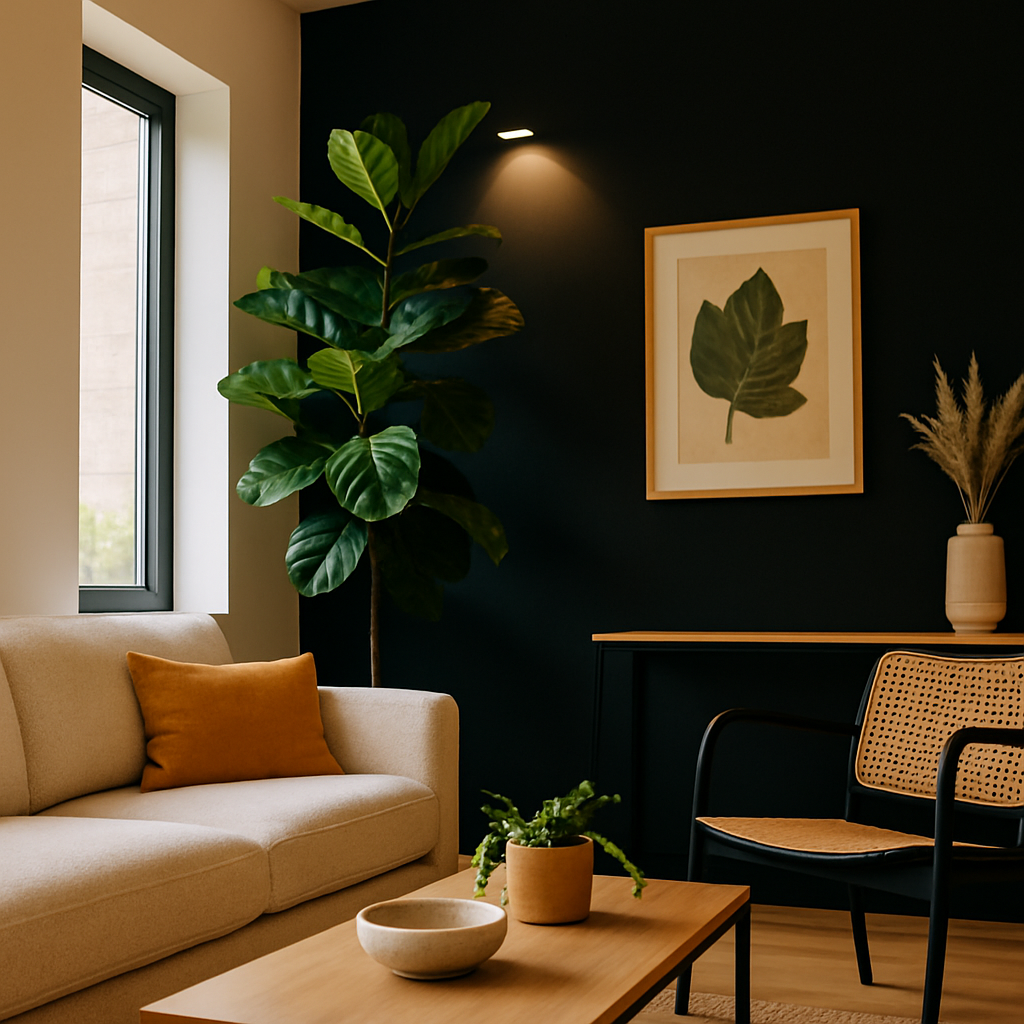
Next, consider the role of plants in your design. Biophilic design, which emphasizes natural elements to enhance well-being, is a key trend for 2026. Incorporate living walls or indoor gardens to improve air quality and create a calming atmosphere. Not only do plants absorb carbon dioxide, but they also reduce dust and pollutants, making your home a healthier place to live.
Finally, explore the use of AR/VR room visualization tools. These innovative technologies allow you to experiment with sustainable materials and layouts before committing to a purchase. By visualizing different design scenarios, you can make more informed decisions that align with your sustainability goals. As we continue, we'll delve into expert-level details to further refine your approach to sustainable interior design.
Expert-Level Insights into Sustainable Design
For those seeking to elevate their sustainable design efforts, understanding the nuances of material sourcing is crucial. The International Interior Design Association (IIDA) recommends working with suppliers who provide transparency about the origins and environmental impact of their products. This diligence ensures that the materials used in your home are ethically sourced and sustainably produced.
Another expert insight involves the use of multipurpose spaces. By designing areas that serve multiple functions, you can reduce the need for additional furniture and decor, thereby minimizing resource consumption. For example, a dining room that doubles as a home office can be both practical and stylish, reducing clutter and promoting a minimalist aesthetic.
Moreover, consider the implications of procurement practices. Many designers offer procurement services that include sourcing sustainable furnishings at a markup. Understanding these fee structures, which can range from a flat fee to a percentage of the total project cost, empowers you to make cost-effective decisions. As we explore additional depth in sustainable design, remember that each choice contributes to a greener future.
Additional Depth: Navigating Budget and Trends
Budget considerations are a critical aspect of sustainable interior design. According to the National Council for Interior Design Qualification (NCIDQ), single-room redesigns typically range from $5,000 to $15,000. However, investing in quality, sustainable materials can yield long-term savings and benefits. Are you prepared to prioritize sustainability in your budget planning?
Trends for 2026, such as quiet luxury and Japandi style, emphasize understated elegance and simplicity. These trends align well with sustainability goals, focusing on high-quality, durable materials that stand the test of time. By choosing timeless designs, you not only reduce the need for frequent updates but also lessen the environmental impact of your home.
Finally, engaging with professional organizations such as the ASID can provide valuable resources and networking opportunities. These connections can assist in finding certified interior designers who specialize in sustainable practices. As we conclude, consider how these insights can inform your journey towards a greener home.
Final Perspectives on Sustainable Design
As you embark on the path to sustainable interior design, remember that every decision counts. From material choices to energy-efficient systems, the cumulative impact of these efforts can significantly benefit the environment. Are you ready to take the next step towards a more sustainable living space?
By remaining informed about industry trends and innovations, you can continually refine your approach to sustainability. The integration of technology, such as smart home systems, offers new opportunities to enhance efficiency and comfort. As the design landscape evolves, staying adaptable and open to new ideas will be key to maintaining a green home.
Conclusion: Your Path to a Greener Home
In conclusion, infusing sustainability into modern interior design is a multifaceted endeavor that requires thoughtful planning and execution. By understanding foundational concepts, analyzing data, implementing actionable strategies, and leveraging expert insights, you can create a home that is both beautiful and environmentally responsible. Start by browsing portfolios on Houzz or consulting with an NCIDQ-certified designer to explore your options. Even 20 minutes of research can sharpen your eye for sustainable possibilities. Take action today and begin your journey towards a greener, more sustainable home.


Comments
Post a Comment