How to Infuse Coastal Vibes into Your California Interior Design
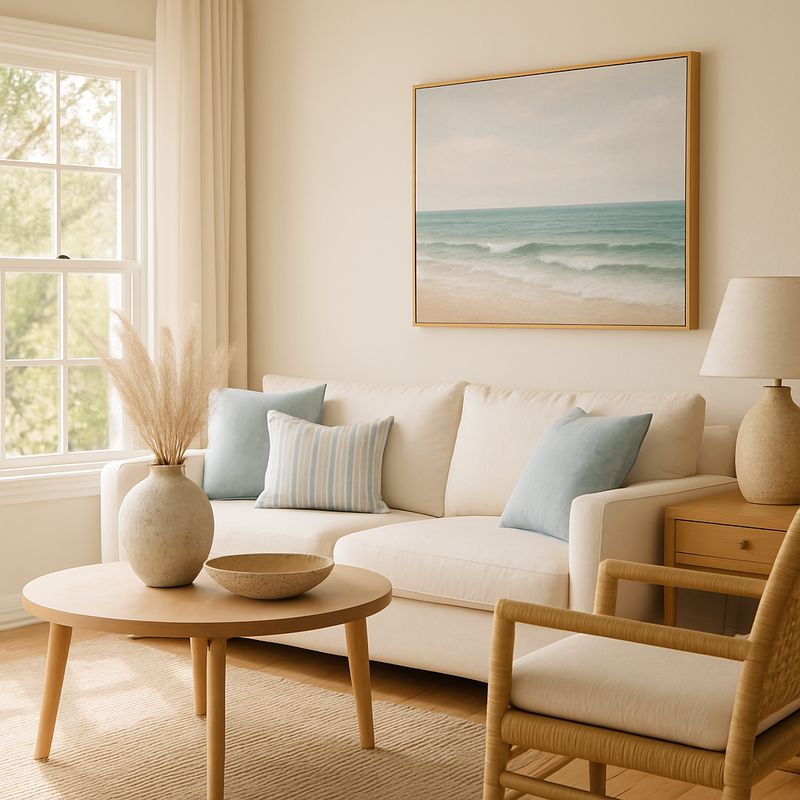
Imagine stepping into your home and instantly feeling the serene calm of a beachside retreat. For many Californians, infusing coastal vibes into their interior design is more than an aesthetic choice-it's a lifestyle. With California's stunning coastlines as inspiration, you can transform your living space into a tranquil haven that mirrors the natural beauty outside. This article will guide you through foundational concepts, provide data-driven insights, and offer actionable strategies to achieve the perfect coastal ambiance.
Understanding Coastal Design Basics
At its core, coastal design is all about evoking a sense of peace and relaxation. It draws heavily from natural elements, emphasizing light, airy spaces that feel open and inviting. Key components include a neutral color palette-think soft whites, sandy beiges, and ocean blues-that reflects the tranquil hues of the coast. Natural textures like wicker, rattan, and reclaimed wood are often used to add warmth and character to the space.
Lighting plays a crucial role in coastal design. Maximizing natural light is essential, with large windows being a common feature in homes aiming for a coastal feel. Where natural light is limited, consider using light fixtures that mimic the brightness of the sun, such as soft white LED bulbs. The goal is to create an atmosphere that feels as close to a sun-drenched beach day as possible.
Furniture should be comfortable and functional, often incorporating slipcovered sofas and chairs in durable fabrics like cotton or linen. These choices not only contribute to the laid-back vibe but are also practical for families and entertaining guests. As you begin planning your coastal interior, envision every element working together to transport you to a seaside getaway.
The Impact of Coastal Design on Well-being
Design isn't just about appearances; it can significantly affect our mental and emotional well-being. According to a study by the American Society of Interior Designers (ASID), environments that incorporate natural elements and ample light can reduce stress and promote relaxation, making coastal design an excellent choice for a calming home environment. This is particularly relevant in California, where the hustle and bustle of urban life can often feel overwhelming.
Moreover, a well-designed coastal interior can also enhance your home's resale value. According to industry surveys, homes with interiors that convey a specific design style, like coastal, can see a 5-15% increase in resale value. This makes investing in coastal design not only a lifestyle choice but a financially savvy decision as well.
Data from Houzz's annual survey suggests that homeowners are increasingly prioritizing spaces that promote well-being, with 63% of respondents desiring homes that enhance their connection to nature. As you consider infusing your home with coastal elements, think about how these changes can contribute to a healthier, happier lifestyle for you and your family.
Practical Steps to Achieve Coastal Vibes
Ready to start your coastal transformation? Begin by assessing your current space. Identify areas that can be brightened or opened up. Consider replacing heavy drapes with lightweight, sheer curtains to allow more light to filter in. Paint walls in soft, neutral tones that reflect the beach's natural hues. You might ask yourself: Which areas of my home could benefit most from a coastal refresh?
Next, add natural textures and materials. Incorporate elements like jute rugs, bamboo blinds, or a reclaimed wood coffee table. These materials add depth and interest while maintaining the coastal aesthetic. For a personalized touch, include decor items that reflect your favorite seaside memories, such as shells, driftwood, or nautical artwork.
Finally, don't forget the power of greenery. Plants not only purify the air but also enhance the coastal vibe. Opt for easy-to-care-for varieties like succulents or ferns. You might even create a small indoor garden with pots in ocean-inspired colors. By focusing on these actionable strategies, you can seamlessly integrate coastal vibes into your Californian home.
Expert Insights on Coastal Design Trends
Experienced professionals often note that the most successful coastal designs are those that balance modern trends with timeless elements. In 2026, one of the standout trends is biophilic design, which emphasizes the connection between interior spaces and nature. This trend aligns perfectly with coastal design, as it encourages the use of natural materials and indoor-outdoor flow.
Another emerging trend is the integration of smart home technology in coastal designs. Imagine controlling your window treatments to adjust with the sun's path or using automated lighting to mimic the natural progression of daylight. These innovations allow you to maintain the aesthetic while enhancing functionality and convenience.
Japandi style, a blend of Japanese minimalism and Scandinavian warmth, is also making waves in coastal design. This approach favors simplicity, clean lines, and a muted color palette-elements that complement the serene nature of coastal design. By incorporating these trends, you can ensure your coastal home remains stylish and current.
Design Considerations for Californian Homes
Californian homes have unique characteristics that can influence how you approach coastal design. For instance, many homes in coastal areas face challenges such as salt air exposure and humidity. Choosing durable materials that withstand these conditions is crucial. Opt for corrosion-resistant fixtures and finishes to maintain your design's longevity.
Additionally, consider the layout and architectural style of your home. Open floor plans are ideal for coastal designs, as they promote an easy flow of light and air. If your home has a more traditional layout, think about ways to create that sense of openness, perhaps by removing non-load-bearing walls or expanding window sizes.
Finally, recognize the importance of outdoor spaces in California living. Decks, patios, and gardens should be seen as extensions of your interior design. Use similar colors and materials to create a cohesive flow between indoor and outdoor areas. This holistic approach ensures that your home truly embodies the coastal lifestyle.
Balancing Personal Style with Coastal Elements
Infusing coastal vibes into your home doesn't mean sacrificing personal style. In fact, the best designs are those that reflect the homeowner's personality and lifestyle. Start by identifying which coastal elements resonate most with you. Are you drawn to the colors of the sea, the textures of natural materials, or the simplicity of open spaces?
Once you've identified your preferences, incorporate them in ways that feel authentic. Mix coastal elements with personal heirlooms, or display art pieces that hold sentimental value. This blend creates a unique space that tells your story while maintaining the coastal theme. How can you weave your personal narrative into your coastal design?
Remember that design is an evolving process. As trends change and your tastes develop, your home should be able to adapt. By focusing on foundational coastal elements and integrating your personal style, your home will remain a true reflection of who you are, even as time goes by.
Conclusion: Making the Coastal Dream a Reality
Infusing coastal vibes into your California interior design is about more than achieving a particular look. It's about creating a sanctuary that mirrors the tranquility and beauty of the ocean. By understanding the basics, embracing current trends, and incorporating your personal style, you can transform your home into a calm, inviting space.
Now, it's time to take action. Start by browsing designer portfolios on Houzz or Pinterest to gather inspiration. Even dedicating just 20 minutes a day to research will sharpen your vision and help you identify what resonates most with you. Let your journey towards a coastal-inspired home begin today.

Comments
Post a Comment